
Trump Conditions Midterm Acceptance on 'Honest' Elections Amid Preemptive Legal Challenges
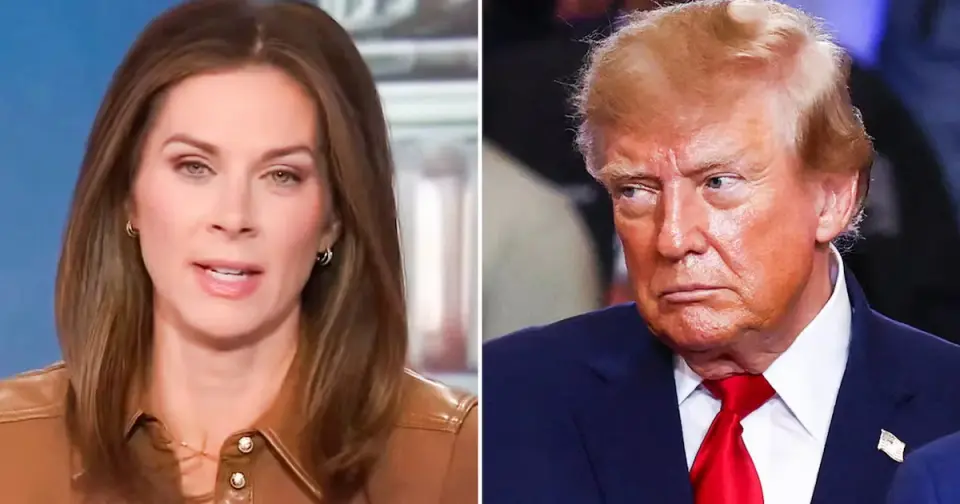
President Donald Trump stated he would respect the November 3 midterm results only if the elections are 'honest,' a conditional response that has alarmed political observers and Democrats. This statement follows a year of intensified efforts by the administration and right-wing influencers to cast doubt on voting integrity, including lawsuits to block ballot counting in California and Alaska. While forecasters favor a Democratic victory in both chambers of Congress, Trump’s conditional acceptance mirrors his 2020 strategy, raising concerns about potential post-election disputes and legal challenges to the outcome.
Key points
- Trump told reporters on October 27 that he would accept midterm results 'if they're honest elections,' a qualifier that has drawn criticism for being vague and self-serving.
- The White House and allied influencers have published over 7,000 statements questioning election integrity this year, with a focus on noncitizen voting and mail-ballot fraud, which experts say are rare.
- The Justice Department has filed lawsuits to block the certification of results in Alaska and to set aside mail ballots in California, moves that have faced legal resistance but signal a potential post-election legal strategy.
- Democrats are preparing for a contested outcome, with House Intelligence Committee Chair Jim Himes stating they presume the president will not accept the results if Republicans lose.
- A joint poll released on October 20 found that only 28 percent of Americans expect Trump to honor the outcome if his party loses, reflecting widespread skepticism about his commitment to democratic norms.
Background
This development follows a pattern established during the 2020 election, where Trump conditioned his acceptance of results on them being 'fair' and 'legal.' In 2024, he similarly used conditional language but accepted the results after winning. The current midterm campaign has seen a sixfold increase in Trump’s warnings about voter ID and mail ballots since 2025, according to The Washington Post. Additionally, the administration has pushed for the SAVE America Act and gerrymandering efforts in Texas, though some measures have been blocked by courts or the Supreme Court.
How outlets are covering it
The Daily Beast and CNN emphasize the systematic nature of the election-denial strategy, noting that Trump’s conditional acceptance is part of a broader effort to prime supporters to reject unfavorable results. CNN highlights the absence of a counterweight like Attorney General Bill Barr in 2020, with current AG Todd Blanche refusing to pledge independence from the president. MS NOW frames the issue as a shift in democratic norms, noting that questioning a president’s commitment to election results is now a routine part of political discourse. USA Today focuses on the legal and administrative actions, such as the DOJ lawsuits and the $1 million reward for voter fraud tips, while noting that Trump has not ruled out invoking the Insurrection Act. All sources agree that the conditional language is a significant departure from historical presidential norms, but they differ in emphasis: The Daily Beast and CNN focus on the potential for post-election chaos, while MS NOW and USA Today highlight the erosion of democratic expectations and the specific legal maneuvers being employed.
Why it matters
Trump’s conditional acceptance of election results raises the risk of a post-election dispute that could delay the certification of the 2026 midterms and potentially disrupt the functioning of Congress. The administration’s legal challenges and the influx of misinformation from right-wing influencers could undermine public confidence in the election process, potentially leading to increased political polarization and instability. If Democrats win a significant majority, Trump’s ability to interfere may be limited, but a closer result could lead to prolonged legal battles that deadlock the Senate. The situation also highlights the vulnerability of democratic institutions to executive overreach, particularly when the Justice Department is used to challenge election outcomes in states where Republicans are likely to lose.
What to watch
The Justice Department is expected to rule on the California mail-ballot lawsuit by Wednesday, and the Alaska Senate race certification challenge will likely proceed to a hearing. Democrats are preparing for potential legal disputes and have begun organizing to defend the integrity of the election. Trump is expected to continue his campaign of doubt in the final week before the election, potentially using the $1 million reward for voter fraud tips to encourage reports. The outcome of the midterms will determine whether Trump faces a Democratic Congress, which could limit his ability to interfere with the certification process, or a closer result that could lead to more significant legal challenges.
- CNN Star Sounds Alarm on Trump Plot Ahead of Election The Daily Beast
- Why Trump’s latest election warning is impossible to ignore CNN
- Asked if he’ll respect the will of American voters, Trump gives a Trumpian answer MS NOW
- Trump says he'll respect midterm results 'if they're honest elections' USA Today
- Trump declines to unconditionally accept midterm results The Washington Post
Want the full story? Read the original reporting
Read on The Daily Beast