
Trump Halts Russia Sanctions Days Before Deadline, Igniting Bipartisan Outrage
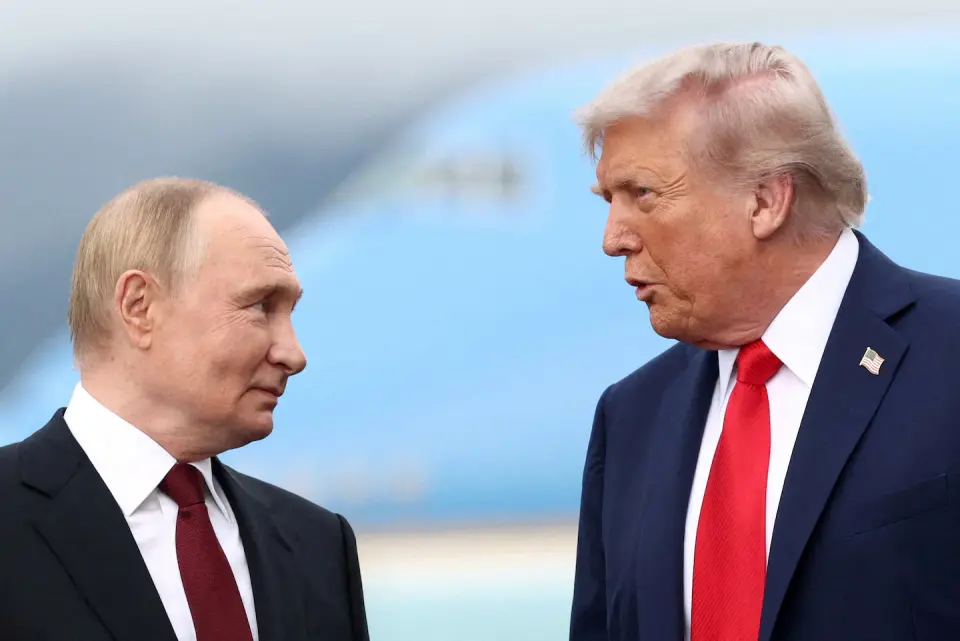
President Trump indefinitely waived new sanctions against Russia via executive order, citing national interests. The move, which reverses a law he signed last month, drew sharp bipartisan criticism and was welcomed by Moscow, occurring just weeks before the midterm elections amid soaring fuel prices.
Key points
- Trump signed an executive order Friday to indefinitely waive the Lindsey Graham Sanctioning Russia and Iran Act, which he signed into law in September.
- The waiver prevents tariffs on countries buying Russian oil, such as China and India, and provides a financial lifeline to Moscow.
- The decision follows a recent deal to import Russian diesel to lower U.S. fuel prices, a move condemned by both parties.
- Congress is on recess until after the November 3 elections, limiting immediate legislative countermeasures.
- Ukrainian President Volodymyr Zelensky expressed hope the sanctions could be revived, while Russian officials welcomed the waiver.
Background
This action follows a series of recent shifts in U.S. energy policy, including executive orders deferring federal diesel taxes and allowing 'red dye' fuel on highways to combat record-high prices driven by the Iran war and Russian export bans. The current waiver is the latest in a sequence of moves that have drawn criticism for prioritizing short-term fuel cost relief over long-term sanctions enforcement against Russia.
How outlets are covering it
The Washington Post and NBC News highlight the swift bipartisan condemnation, noting that the move was 'beyond irresponsible' according to Sen. Thom Tillis. The Los Angeles Times emphasizes the lack of immediate congressional recourse due to the recess, while Axios frames the waiver as part of a broader 'historic week' of easing pressure on Russia, including the diesel deal. All sources agree that the decision was welcomed by Russia but criticized by Ukraine and U.S. lawmakers who view it as a betrayal of congressional intent to punish Russia for its war against Ukraine.
Why it matters
The waiver undermines a key tool for pressuring Russia financially and may embolden Moscow to continue its war against Ukraine. It also complicates the midterm election narrative, as Republicans must defend a president who is seen by many voters as cozying up to an adversary while failing to address the root causes of high fuel prices.
What to watch
With Congress on recess until after the November 3 elections, there is little immediate prospect of reversing the waiver. Lawmakers have pledged to act upon their return, and Rep. Gregory Meeks has introduced legislation to block the related diesel deal. The administration has submitted a certification to Congress justifying the waiver, but the political fallout is expected to intensify in the final weeks of the election campaign.
- Trump signs executive order waiving sanctions against Russia The Washington Post
- Trump waives new Russia sanctions in the "national interests" Axios
- Trump’s decision to waive Russian sanctions outrages Congress, but no quick counter seen Los Angeles Times
- Zelenskyy says Trump is ‘rewarding Putin’ as he waives new Russia sanctions passed by Congress NBC News
- Trump’s pause on Russia sanctions is ‘reward’ for Putin, Zelenskyy says The Guardian
Want the full story? Read the original reporting
Read on The Washington Post