
Global Democracy Report: US Decline Hits 50-Year Lows, Spilling Conflict Risks Worldwide
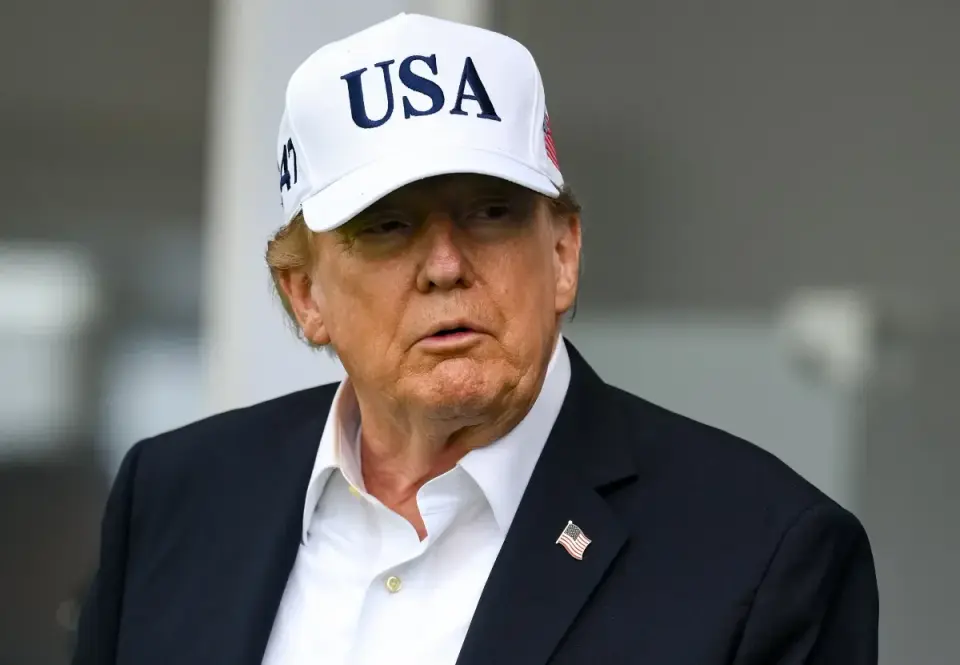
A new report from the International Institute for Democracy and Electoral Assistance (International IDEA) finds that US democratic indicators have fallen to their lowest levels since 1975, with seven statistically significant declines between 2020 and 2025. The report argues that this erosion is not isolated but is actively destabilizing global democracy, undermining international law, and increasing the risk of violent conflict. While the US decline is attributed to the concentration of power in the executive branch and the weakening of institutional checks, the report notes that this trend is part of a broader global recession in democratic norms, with 57% of countries showing deterioration in at least one area. Despite the bleak outlook, the report highlights that democratic decline is not inevitable and can be reversed through civic engagement and security-focused resilience strategies.
Key points
- US democracy scores hit record lows in 2025, with declines in judicial independence, access to justice, press freedom, and freedom of expression.
- The report identifies the US as the 'most prominent example and accelerator' of global democratic erosion, influencing other nations to attack civil society and institutions.
- Global conflict risks have risen, with 65 violent conflicts recorded in 2025, the highest number since 1946, linked to the rise of 'hybrid' political systems.
- The US withdrawal from international organizations and the use of executive power to retaliate against perceived enemies have strained multilateral cooperation and alliances.
- Despite the decline, the report notes positive developments in countries like Nepal, Bangladesh, and Sri Lanka, where youth-led protests unseated long-serving leaders.
Background
This report follows a series of domestic legal battles over voting rights and immigration policies, including the Supreme Court's recent block of a USPS plan to restrict mail-in ballots and ongoing lawsuits against Trump's voting orders. The US has also faced international scrutiny for its withdrawal from over 60 international organizations and its use of the Alien Enemies Act to deport Venezuelans to El Salvador. The report builds on earlier warnings from legal experts about the potential for post-election challenges to midterm results and the erosion of judicial independence.
How outlets are covering it
TPM emphasizes the 'tailspin' of US democracy and its global spillover effects, highlighting the personalization of power and the retaliation against perceived enemies. Politico focuses on the security implications for Europe, noting that the US decline is undermining the international rules and alliances that underpin European security. The Guardian stresses the 50-year low in democratic indicators and the global trend of democratic recession, while Al Jazeera highlights the US as an 'accelerator' of global rule of law erosion, citing specific examples like Brazil and Serbia. All sources agree on the severity of the decline but differ in emphasis: TPM and Al Jazeera focus on the US as a global destabilizer, while Politico and The Guardian highlight the broader global context and the security risks associated with democratic erosion.
Why it matters
The report underscores that democratic decline is not just a domestic issue but a global security concern. The erosion of democratic norms in the US is influencing other countries to attack civil society and institutions, increasing the risk of violent conflict. The report calls for treating democratic resilience as a security issue, emphasizing that the protection of democracy should be at the heart of security agendas. This has implications for international relations, multilateral cooperation, and the stability of global alliances.
What to watch
The report suggests that while the decline is severe, it is not inevitable or permanent. It calls for increased investment in democracy and civic engagement to reverse the trend. The US may face further legal challenges over voting rights and immigration policies, and other countries may continue to use US examples to justify their own attacks on civil society. The global community may need to strengthen multilateral institutions and international law to counter the erosion of democratic norms.
- Trump II Sends Democracy Worldwide Into a Tailspin Talking Points Memo
- State of U.S. democracy reaches new low, report finds NPR
- America’s democratic decline is becoming Europe’s problem, new report says politico.eu
- Democracy indicators in US at lowest levels for 50 years, data shows The Guardian
- US democratic decline threatens global rule of law, report warns Al Jazeera
Want the full story? Read the original reporting
Read on Talking Points Memo