Tag

Democratic Backsliding

All articles tagged with #democratic backsliding

EU Commission Proposes Sweeping Reforms to Prepare for Enlargement, Including 15-Year Probation for New Members
politics7 days ago

EU Commission Proposes Sweeping Reforms to Prepare for Enlargement, Including 15-Year Probation for New Members

The European Commission has unveiled a comprehensive package of reforms aimed at preparing the EU for potential expansion to 30 or more member states. Key proposals include shifting from unanimity to qualified majority voting in accession processes, reducing the number of commissioners, and introducing a 15-year probation period for new members to safeguard democratic values. These measures, led by Enlargement Commissioner Marta Kos, face significant resistance from member states wary of losing veto powers and permanent representation in Brussels. The reforms are set for discussion at the European Council in October, amid growing geopolitical competition from Russia and China in the Western Balkans and Eastern Europe.


Global Democracy Report: US Decline Hits 50-Year Lows, Spilling Conflict Risks Worldwide
politics27 days ago

Global Democracy Report: US Decline Hits 50-Year Lows, Spilling Conflict Risks Worldwide

A new report from the International Institute for Democracy and Electoral Assistance (International IDEA) finds that US democratic indicators have fallen to their lowest levels since 1975, with seven statistically significant declines between 2020 and 2025. The report argues that this erosion is not isolated but is actively destabilizing global democracy, undermining international law, and increasing the risk of violent conflict. While the US decline is attributed to the concentration of power in the executive branch and the weakening of institutional checks, the report notes that this trend is part of a broader global recession in democratic norms, with 57% of countries showing deterioration in at least one area. Despite the bleak outlook, the report highlights that democratic decline is not inevitable and can be reversed through civic engagement and security-focused resilience strategies.

25 Years After 9/11, The Intercept Argues Bin Laden Won—By Driving Endless Wars, Debt, and a Trumpian Autocracy
politics1 month ago

25 Years After 9/11, The Intercept Argues Bin Laden Won—By Driving Endless Wars, Debt, and a Trumpian Autocracy

An Intercept opinion piece argues that Osama bin Laden’s 9/11 attacks helped usher in an era of endless wars, ballooning deficits, and democratic erosion, with Donald Trump’s presidency epitomizing the autocratic drift. It cites a rise in the national debt from about $5.8 trillion in 2001 to roughly $40 trillion today, health tolls from Ground Zero, and widespread authoritarian actions to suggest bin Laden’s strategic aim has endured long after his death.

EU Criticizes Georgia's Democratic Backsliding Amid Ukraine's EU Bid
world11 months ago

EU Criticizes Georgia's Democratic Backsliding Amid Ukraine's EU Bid

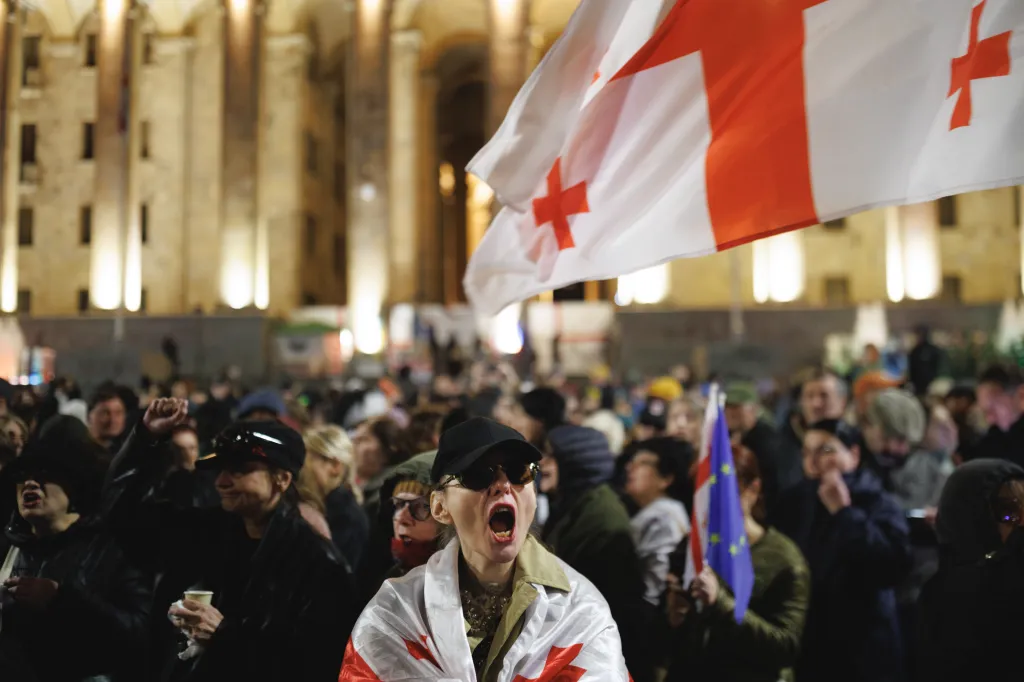
The article discusses Georgia's political decline under the Georgian Dream government, which is moving away from Western democratic principles and towards Russian influence, with increased repression of opposition and pro-Western groups. It emphasizes the importance of Western support for Georgia's pro-democracy movement, including sanctions and recognition of legitimate leadership, to prevent further erosion of democracy and to maintain regional stability and strategic interests like the Middle Corridor and access to Caspian energy. The article calls for renewed Western engagement and support for Georgia's pro-democracy protesters and institutions.

EU Maintains €18 Billion Freeze on Hungary Over Rule of Law Issues
european-union1 year ago

EU Maintains €18 Billion Freeze on Hungary Over Rule of Law Issues

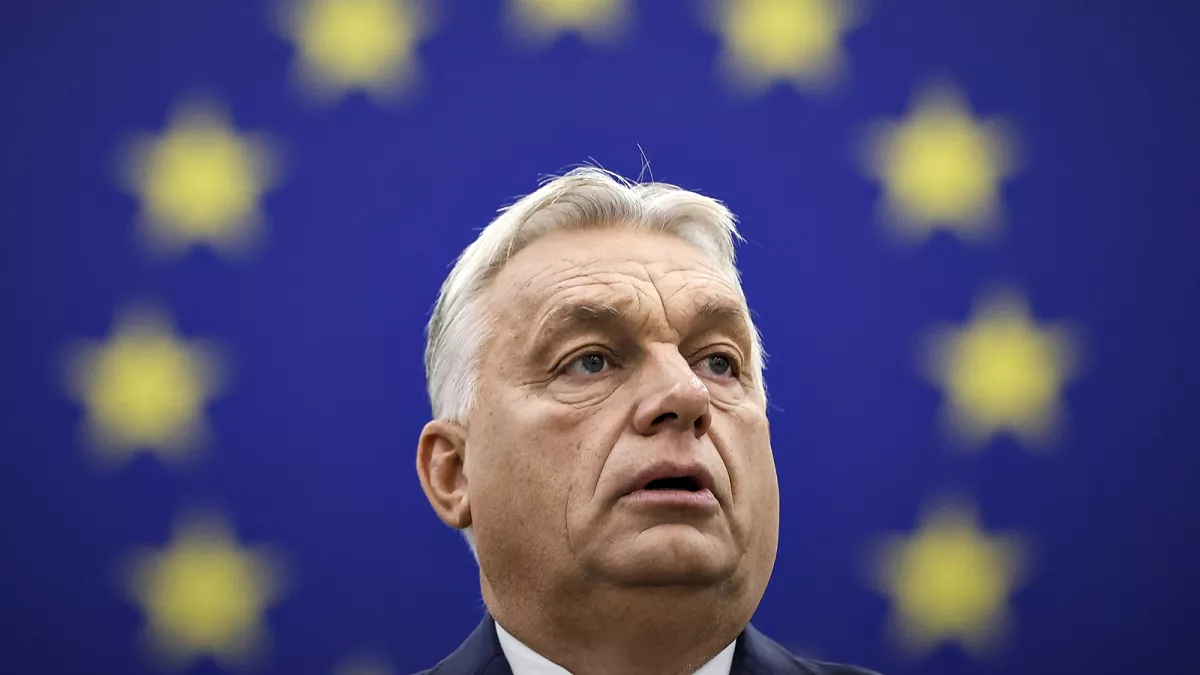
The EU will keep €18 billion in funds frozen for Hungary due to lack of progress on rule of law reforms, with ongoing concerns about democratic backsliding and civil society restrictions, despite some previous unblocking of funds. The dispute highlights tensions between Brussels and Budapest over legal and political issues, including Hungary's refusal to pay a court-imposed fine.

The EU's Enlargement: Why It Stopped and the Need for a Clear Target
european-union3 years ago

The EU's Enlargement: Why It Stopped and the Need for a Clear Target

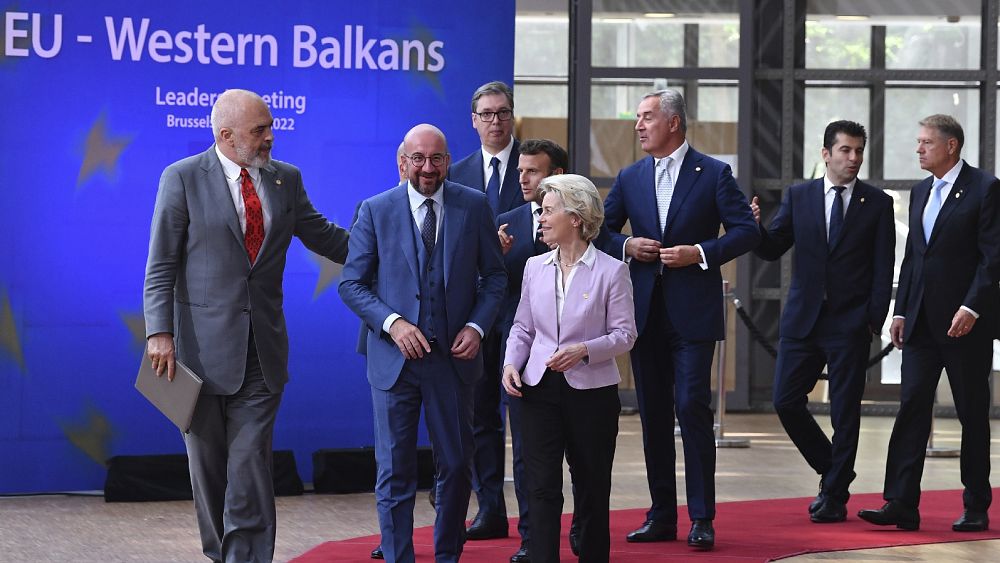
The EU's enlargement process, once seen as a flagship project, has largely stalled since the 2004 wave of new members. The EU's cautiousness towards enlargement can be attributed to global crises, such as financial crises, migration crisis, COVID-19 pandemic, and Russia's invasion of Ukraine, which have diverted attention and forced the EU to address its challenges. Internal factors, including the rise of populism and nationalism, bilateral issues, and democratic backsliding in some member states, have also hindered the enlargement process. Concerns over money, voting rights, and decision-making have further slowed down the process. However, there is growing support for the idea of gradual integration, allowing candidate countries to join EU policies and programs as they progress in their accession process.

Hungary's Potential Obstruction of Sweden's NATO Membership
international-relations3 years ago

Hungary's Potential Obstruction of Sweden's NATO Membership

Hungary's parliament speaker, Laszlo Kover, has cast doubt on the need for Hungary to approve Sweden's bid to join NATO, potentially causing further delays in the process. Hungary's approval has been stalled since July due to concerns over criticism of Hungary's democratic backsliding by Swedish politicians. Hungary's foreign minister also recently expressed concerns over biased accusations against the Hungarian government. While most NATO members have ratified Sweden's bid, Hungary and Turkey have yet to do so, and both countries are coordinating their stance on the matter. It remains unclear whether the Swedish ratification will be on the agenda when Hungary's parliament reconvenes later this month.

Anti-corruption candidate Bernardo Arévalo triumphs in Guatemala's presidential election
politics3 years ago

Anti-corruption candidate Bernardo Arévalo triumphs in Guatemala's presidential election

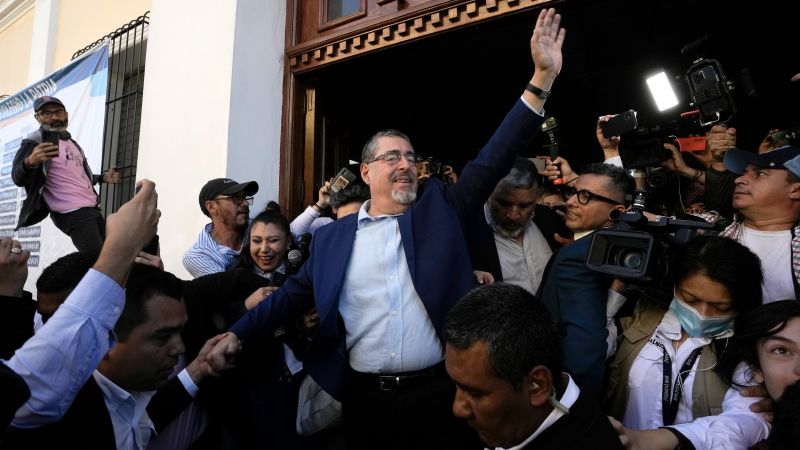
Bernardo Arévalo, an anti-corruption candidate from the progressive Movimiento Semilla party, has won Guatemala's presidential election, defeating former first lady Sandra Torres. Arévalo's victory comes amidst concerns of democratic backsliding and a race marred by controversy. With a majority of the votes counted, Arévalo secured 59.1% of the vote. He pledged to tackle corruption, crime, malnutrition, and inequality, but faces challenges as Congress is expected to be controlled by establishment parties. Analysts warn of potential attempts to undermine his win, citing previous efforts to disqualify him. The dissolution of a UN-backed anti-corruption commission in 2019 has worsened corruption and inequality in Guatemala.