
Trump Labels Michigan Senate Rival 'Jihadist' at Port Huron Rally
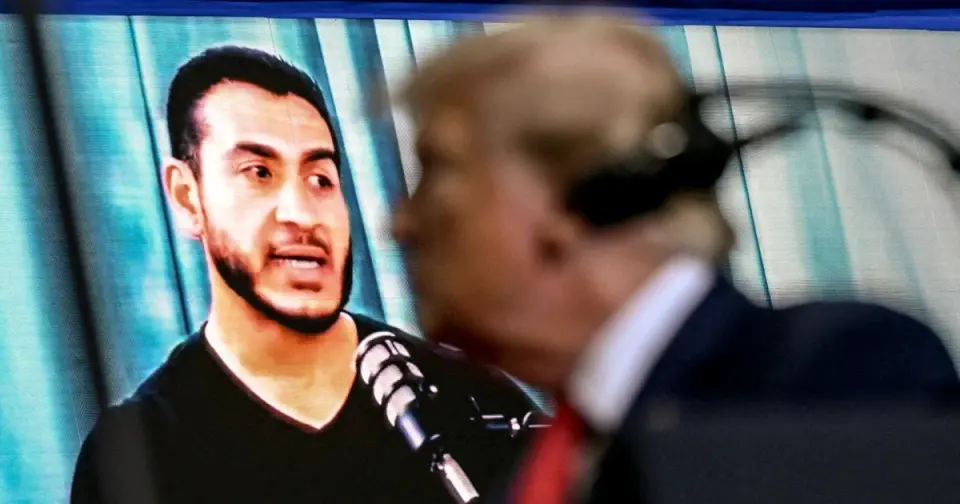
President Donald Trump intensified anti-Muslim rhetoric during a Sunday rally in Port Huron, Michigan, supporting Republican Senate nominee Mike Rogers. Trump labeled Democratic opponent Abdul El-Sayed a 'jihadist' and 'Muslim Brotherhood member,' drawing parallels between the 2001 attacks and the upcoming election. El-Sayed, who has denied such ties, remains in a tight race with Rogers. Trump also criticized former President Barack Obama’s recent appearance in Detroit, claiming his own crowd was larger.
Key points
- Trump called El-Sayed a 'jihadist' and 'Muslim Brotherhood member' at a rally in Port Huron, Michigan, on October 25, 2026.
- The President compared the Senate race to the September 11 attacks, stating Michigan must 'fight' to stop a 'jihadist' from entering the Capitol.
- Speaker David Beamer, whose son died in the 9/11 attacks, echoed Trump’s rhetoric, calling El-Sayed 'anti-American' and questioning his citizenship despite his birth certificate.
- El-Sayed has repeatedly denied ties to the Muslim Brotherhood, an organization the Trump administration has designated as terrorist in certain regions.
- Republican nominee Mike Rogers distanced himself from Trump’s specific 'terrorist' labels in an interview, stating the race is simply 'me versus Abdul.'
- Trump contrasted his rally crowd with former President Barack Obama’s recent event in Detroit, claiming Obama did not have a similar turnout.
Background
This rally follows a series of recent events where Trump has amplified anti-Muslim sentiment in Michigan, including sharing clips from musician Kid Rock that warned of a 'religious civil war' over the El-Sayed campaign. The event also continues Trump’s broader midterm tour through red states, where he has previously used controversial rhetoric regarding crime and disaster aid to support struggling Republican candidates. The Michigan Senate race is currently described as a dead heat between El-Sayed and Rogers, with both candidates born in the state.
Why it matters
The use of extremist labels in a high-profile presidential rally could influence voter perception in a critical battleground state. By linking a domestic political opponent to international terrorism and 9/11, the campaign aims to frame the election as a security issue rather than a policy debate. This rhetoric may polarize voters in Michigan, where the Senate seat is competitive, and could impact turnout in the November 3 midterms.
What to watch
The Michigan Senate race will conclude on November 3, 2026. El-Sayed’s campaign has not yet responded to the latest remarks. Voters in Michigan will decide between El-Sayed and Rogers in a race that has seen increasing polarization and security concerns, including protests and strict screening at recent rallies.
Want the full story? Read the original reporting
Read on NBC News