
Trump’s 90-Day Beef Tariff Lift Sparks Consumer Confusion and Farm-State Backlash
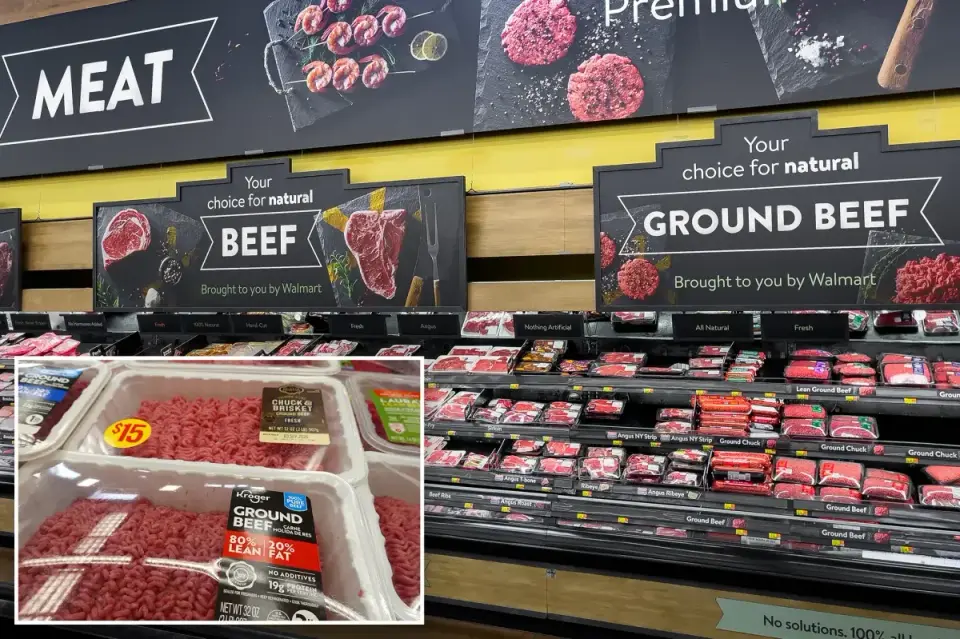
President Trump has suspended tariffs on 300,000 metric tons of imported lean beef for 90 days, starting September 1, 2026, aiming to lower prices by 25%. While the move addresses short-term supply shortages, critics argue it risks long-term domestic herd rebuilding and lacks transparency regarding origin and safety standards.
Key points
- The executive proclamation allows 100,000 metric tons of beef trimmings per month to enter the US duty-free.
- Consumers are advised to check labels for 'Product of USA' or 'Made in the USA' to distinguish domestic from imported meat, as USDA grades do not indicate origin.
- The imported volume represents only about 2% of domestic consumption, limiting potential price reductions according to agricultural economists.
- Republican lawmakers from cattle states, including Nebraska and Kansas, have criticized the plan for undermining domestic producers ahead of the midterms.
- The administration claims the move provides temporary relief while the US cattle herd, at a 75-year low, is rebuilt.
Background
This policy follows a series of trade disputes and rising food costs. In late August 2026, farm-state Republicans began pushing back against the tariff lift, warning it would harm domestic production. Earlier analyses indicated that while the import volume is significant, it is too small to drastically lower retail prices, which have risen 27% over three years due to strong demand and supply constraints.
How outlets are covering it
The New York Post focuses on consumer guidance, noting that shoppers must scrutinize labels because imported lean trimmings are often blended with domestic fat. CNN highlights economic skepticism, with Kansas State University economist Glynn Tonsor arguing that the 2% supply increase will not significantly lower prices, especially as consumer demand for beef has surged. Business Insider features Ben Spell of Good Ranchers, who supports the goal of lower prices but opposes the lack of transparency, urging mandatory country-of-origin labeling to protect domestic producers. ABC News emphasizes the political fallout, reporting that farmers in Kansas and Nebraska are abandoning the GOP, citing the plan as evidence that the administration prioritizes short-term market manipulation over long-term agricultural sustainability.
Why it matters
The policy creates a disconnect between federal affordability goals and agricultural reality. For consumers, it introduces ambiguity regarding meat origin and safety, particularly amid concerns over cyclospora. For farmers, it threatens the economic incentive to rebuild herds, potentially prolonging supply shortages. Politically, it risks alienating rural Republican voters in key swing states during the 2026 midterms.
What to watch
The 90-day window will determine if the administration continues the tariff suspension. Congress may need to act on mandatory country-of-origin labeling if voluntary measures fail to provide transparency. The long-term impact on US cattle herd sizes and domestic processing capacity will be monitored as the 90-day period concludes.
- Trump’s lower-cost beef imports have arrived — here’s how to know if you’re buying US meat nypost.com
- Trump is letting in 300,000 tons of beef duty-free. Don’t expect cheaper burgers CNN
- I source meat from US ranchers. Here's why Trump's plan to lower beef prices worries me. Business Insider
- How Trump's beef plan, tariffs risk alienating farmers, GOP voters ABC News - Breaking News, Latest News and Videos
- New York beef producers respond to Trump Administration’s decision to import beef Spectrum News
Want the full story? Read the original reporting
Read on nypost.com