A bird flu outbreak at a Salt Lake County mink farm is killing most of the herd, with no clear state or federal response plan due to regulatory gaps. Advocates warn of public health risks, while officials debate vaccination, culling, or inaction.
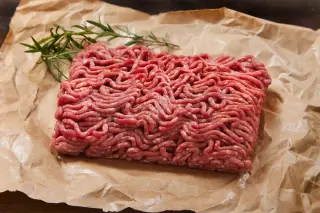
The USDA has issued a Class I recall for over 167,000 pounds of raw pork, beef, and goat products from Star Meat Delivery Inc. in North Carolina. The meat was distributed nationwide without federal inspection and bore false USDA inspection labels marked 'EST. 1363.' Although no illnesses have been reported, the agency warns the products may contain harmful contaminants and advises consumers to discard or return them.
The USDA has issued a Class I recall for approximately 167,639 pounds of raw pork, beef, and goat products from Star Meat Delivery Inc. in North Carolina. The meat was distributed nationwide without federal inspection and bore a false USDA inspection mark labeled 'EST. 1363.'
The USDA’s Food Safety and Inspection Service (FSIS) has issued a Class I recall for approximately 167,639 pounds of raw pork, beef, and goat products produced by Star Meat Delivery Inc. in Lucama, North Carolina. The meat was manufactured without federal inspection and falsely labeled with a USDA inspection mark. Distributed nationwide via a Georgia distributor, the products pose a high health risk due to potential contaminants, though no illnesses have been reported.
The U.S. Department of Agriculture will distribute millions of oral rabies vaccine baits across parts of the Southeast this October to form a barrier against raccoon rabies, with projects in Abingdon, VA; Andrews, NC; Dalton, GA; and Gadsden, AL distributing hundreds of thousands of baits by air, helicopter, and land. The baits are safe for dogs and cats; South Carolina is not included in this round as the barrier is planned to move eastward in coming years. The aim is to slow or prevent westward spread of raccoon rabies as the program expands.
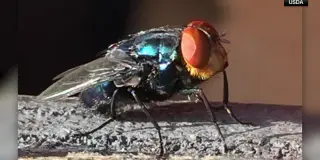
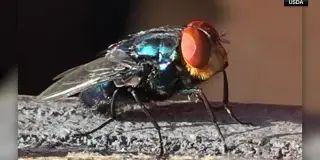
The US, Mexico, and Panama are releasing sterile New World screwworm flies to curb a flesh-eating parasite threatening livestock and wildlife. Production capacity is expanding with new plants in Mexico and Texas (aiming for about 100 million weekly by late 2027 and potentially much more by 2028), but reaching the historic 500 million flies per week remains uncertain, leaving room for outbreaks if reporting lags. Scientists are also testing male-only Novofly flies to boost efficiency and output, while ongoing monitoring and containment efforts continue.
The USDA released its billionth sterile fly into Texas as part of the ongoing sterile insect technique campaign to eradicate the New World screwworm, aiming to disrupt the pest's breeding; despite concerns about potential spread, fewer than 50 screwworm cases have been reported in the U.S. this year as production is ramped up.
The U.S. Department of Agriculture released its billionth sterile fly in Texas as part of the sterile insect technique to interrupt the New World screwworm’s breeding cycle; the pest was eradicated decades ago and the program is being boosted after new U.S. cases emerged in June, with fewer than 50 cases reported so far this year.
President Trump signed an executive order to let some small ranchers bypass USDA-inspected facilities and middlemen, enabling direct-to-consumer meat production; supporters say it cuts dependence on large packers and could lower prices, while regulators pledge that small facilities would face similar safety oversight as big plants; no price impact estimates were given.
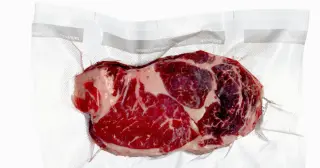
Nearly 30,000 pounds of raw Argentine beef sold in Texas and Florida have been recalled by the USDA after missed import re-inspections; the recall category is Class I, the highest health-risk rating, though no contaminant is named. It isn’t immediately clear which retailers were affected, and the distributor did not comment.
US agencies have repurposed hundreds of DHS drones to surveil wildlife and livestock for New World Screwworms in South Texas and surrounding areas, logging more than 1,000 flights and surveying over 22,000 animals. About 45 domesticated-animal cases have been confirmed, with drones—often infrared-equipped Skydio X10s—used to spot wounds or fever and aid AI-assisted analysis. While drones support broad surveillance, eradication still relies on Sterile Insect Technique, with new sterile-fly facilities planned in Moore Air Base, Texas and Douglas, Arizona, and continued cross-border efforts with Panama and Mexico amid human-case reports in the region.
The USDA announced a recall of nearly 30,000 pounds of raw beef produced by Corte Argentino USA LLC that was imported from Argentina without import reinspection. The affected products (made May 15–20, 2026) carry sell-by dates Sept 15–20, 2026 and were distributed to Florida and Texas. No illnesses have been reported. Consumers should dispose of or return recalled beef and can contact the manufacturer at 786-350-5805 or [email protected] for questions.
A dispute over USDA immigration and DEI policies delayed $15 million in wildfire-prevention grants for Spokane-area projects, hindering fuel-reduction work as the region fights wildfires and evacuations unfold; advocates say linking funding to national policy priorities is dangerous, while officials seek timely deployment to curb fire risk.
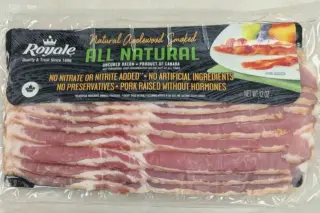
The US Department of Agriculture issued a Class I recall for more than 12,000 pounds of Canadian-imported Royale Natural Applewood Smoked uncured bacon and Top Valu uncured hardwood smoked bacon from Maple Leaf Foods after regulators found the products never underwent import reinspection into the United States. The bacon, packaged in 12-ounce vacuum packs, was distributed to stores in Idaho, Oregon and Washington. No illnesses have been reported. Consumers should discard the affected packages or return them to retailers. Maple Leaf Foods attributes the issue to border paperwork rather than product safety and noted the recall stems from a routine inspection finding a lack of required reinspection.
USDA data and nutrient-scoring analyses show beef (especially grass-fed) often has higher density of micronutrients like iron, zinc and B vitamins per calorie than chicken; chicken remains a high-protein staple but typically offers fewer of these micronutrients on a per-calorie basis. The findings feed into the MAHA push and the 2025–2030 Dietary Guidelines, which emphasize nutrient-dense, minimally processed proteins, while noting costs and access vary by meat type and region.