
Trump Nominates OMB Deputy to Lead GAO, Igniting Fight Over Congressional Oversight
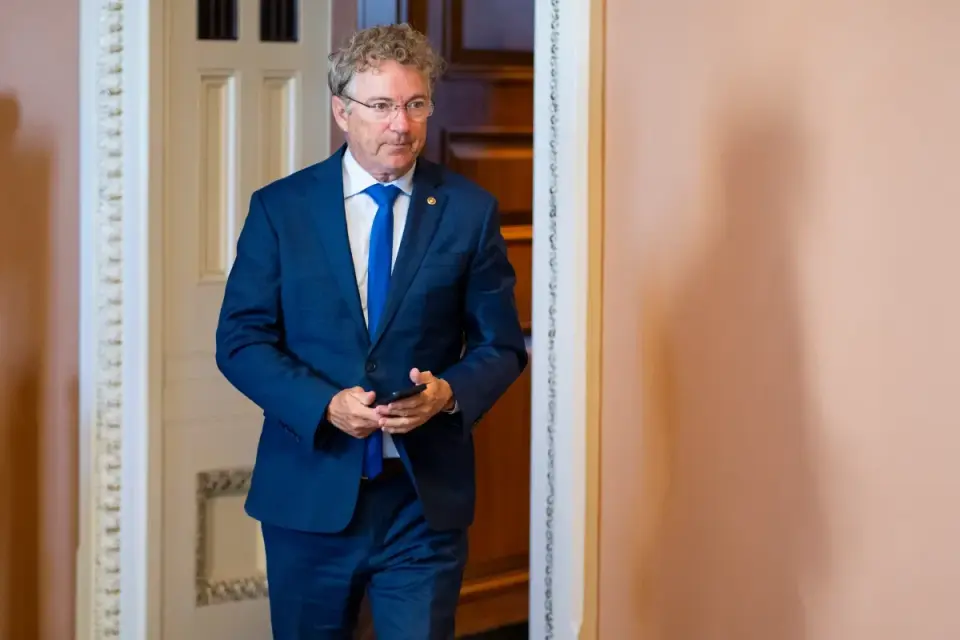
President Trump has nominated Eric Ueland, a deputy at the Office of Management and Budget, to serve as the next comptroller general of the Government Accountability Office. This move aims to secure control of a key legislative watchdog before Democrats assume power in January. The nomination bypasses the statutory bipartisan selection process, drawing sharp criticism from Democrats and legal experts who argue it violates the law and threatens the agency's independence. A confirmation hearing is scheduled for November 19, 2026, amid a lame-duck session where Republicans are scrambling to install allies in critical oversight roles.
Key points
- Trump nominated Eric Ueland, OMB Deputy Director and a longtime Republican staffer, to lead the GAO, an agency that audits federal spending and can sue the executive branch.
- The nomination bypasses the 1980 GAO Act’s requirement for a bipartisan commission to recommend candidates, a process that has not convened since the vacancy began in December 2025.
- Senate Republicans, led by Rand Paul, scheduled a rapid confirmation hearing for November 19, 2026, to fast-track the appointment before Democrats take control of Congress.
- Democrats and legal experts, including former comptroller generals, argue the process is illegal and partisan, warning that Ueland’s 15-year term could entrench executive control over oversight for decades.
- The move follows a pattern of the Trump administration challenging congressional spending authority, with GAO previously labeling OMB Director Russ Vought’s funding impoundments as illegal.
Background
This nomination occurs as Democrats prepare to assume control of both chambers of Congress following the 2026 midterm elections, shifting the balance of power away from the Trump administration. Prior to the midterms, the White House had prepared for a potential loss of legislative control by identifying executive actions that could bypass Congress. The GAO’s role as a legislative branch watchdog has become central to disputes over federal spending, particularly regarding the administration’s handling of USAID and other appropriations. The agency’s independence has been a focal point of conflict, with the administration previously attempting to undermine its authority through legal challenges and staffing decisions.
How outlets are covering it
TPM frames the nomination as a strategic move by the Trump administration to neutralize a key check on executive power before Democrats take over, highlighting the 15-year term’s long-term implications. Politico emphasizes the procedural irregularity, noting that the nomination bypasses the statutory commission process and arrives as lawmakers call for GAO to challenge the administration’s funding practices in court. Federal News Network focuses on the legal and procedural violations, citing a former GAO attorney who argues the rushed process undermines the agency’s credibility. Fortune, through former comptroller generals and legal scholars, argues that the process violates the 1980 GAO Act and calls for the cancellation of the confirmation hearing to preserve the agency’s nonpartisan mission. While all sources agree on the procedural concerns, TPM and Politico emphasize the political stakes, whereas Federal News Network and Fortune focus on the legal and institutional integrity of the appointment process.
Why it matters
The outcome of this nomination could determine the future of independent oversight of federal spending for the next 15 years. If confirmed, Ueland’s control of GAO could limit Congress’s ability to challenge the executive branch’s spending decisions, potentially entrenching the administration’s policies even after Trump leaves office. The fight over this appointment also signals a broader conflict between the executive and legislative branches over the balance of power, with implications for how Congress can hold the administration accountable in the coming years.
What to watch
The Senate Homeland Security and Governmental Affairs Committee will hold a confirmation hearing for Eric Ueland on November 19, 2026. Democrats and some Republicans are expected to oppose the nomination, citing procedural violations and concerns about the agency’s independence. The outcome of the vote will determine whether Ueland is confirmed or if the process is delayed, potentially allowing for a more bipartisan selection in the new Congress. Legal challenges to the nomination may also emerge, given the arguments that the process violates the 1980 GAO Act.
- With Democrats on the Cusp of Control, Trump Administration Seeks to Curtail Congress’ Power Talking Points Memo
- Trump nominates top White House aide to head watchdog agency — as Democrats feared Politico
- OMB deputy nominated to lead GAO Federal News Network
- To appoint the next comptroller general of the United States, follow the law Fortune
- GOP Installs Trump Crony to Investigate Trump The American Prospect
Want the full story? Read the original reporting
Read on Talking Points Memo