
Trump’s Lake America Order Sparks Local Backlash and Global Naming Disputes
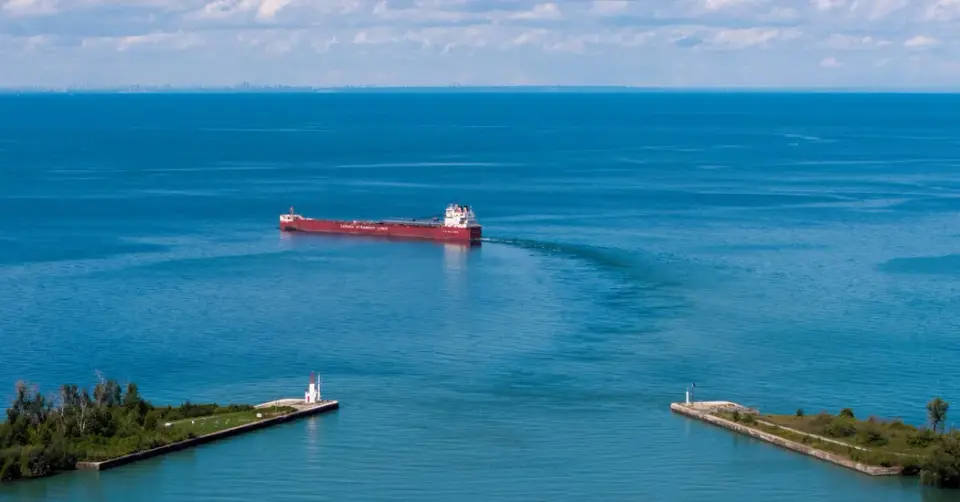
President Trump signed an executive order renaming Lake Ontario to 'Lake America,' a move tied to escalating trade tensions with Canada. While the order binds only federal entities, it has triggered local resistance in New York and sparked broader debates about contested place names globally.
Key points
- The executive order re-designates Lake Ontario as 'Lake America,' following a similar move for the Gulf of Mexico.
- The order is not binding on foreign governments or private entities, though some tech companies have updated maps for U.S. users.
- Local mayors in New York, including Republicans, have rejected the new name, citing economic and historical ties to the lake.
- The renaming is part of a wider pattern of contested place names that often reflect deeper political or territorial disputes.
Background
In early September 2026, major mapping services like Apple and Google Maps began displaying 'Lake America' for U.S. users, while MapQuest refused to comply, rising to the top of the App Store. The U.S. Geographic Names Information System officially adopted the new name at the federal level, though local jurisdictions varied in their response.
How outlets are covering it
The New York Times frames the Lake Ontario renaming as part of a global trend of contested place names, often linked to political or territorial disputes. Politico emphasizes the local political fallout, noting that mayors in red-leaning towns along the lake’s shore are rejecting the name ahead of midterm elections, with some citing economic and historical concerns. The two outlets highlight different dimensions of the same event: international context versus domestic political impact.
Why it matters
The renaming underscores the intersection of domestic politics, international relations, and local identity. It reflects how symbolic gestures can have real-world consequences, from economic impacts on border communities to broader debates over sovereignty and historical memory.
What to watch
Local governments and private entities may continue to resist or adopt the new name, while the U.S.-Canada trade dispute could escalate further, potentially leading to more symbolic or substantive policy moves.
- Lake Ontario Is One of Many Bodies of Water Caught in a Naming Fight The New York Times
- House Republican ‘pretty sure’ Lake Ontario name change ‘a troll’ The Hill
- Trump’s Lake America order hits a nerve in red-leaning towns along its shore Politico
- Opinion | Don’t Rename Lake Ontario WSJ
- Apple changes Lake Ontario name to 'Lake America' for US users of its Maps, following Trump's order AP News
Want the full story? Read the original reporting
Read on The New York Times