
Trump proposes veto-driven compromise with incoming Democratic Congress on healthcare and sports
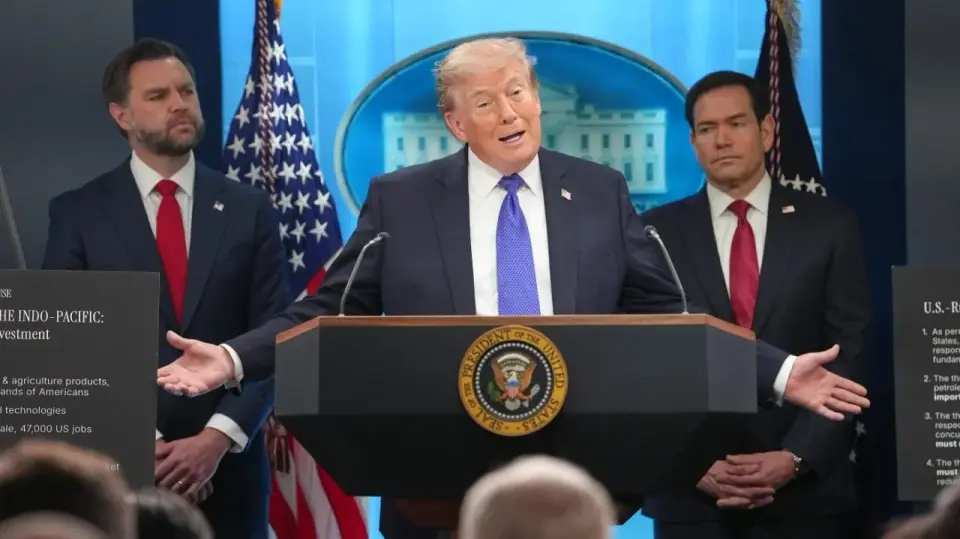
President Trump signaled willingness to negotiate with the incoming Democratic-led Congress, leveraging his veto power to force bipartisan deals on healthcare, immigration, and college sports regulations.
Key points
- Trump stated he is open to 'great healthcare' but insisted the final outcome would be a compromise, not the Democratic ideal.
- The President cited the Motion Picture, Television, and Entertainment Revitalization Act as a successful bipartisan effort, noting support from Senator Adam Schiff.
- Trump argued that national standards for college athlete name, image, and likeness rights are necessary to prevent institutional bankruptcy.
- He suggested that repeated vetoes of Democratic legislation would eventually push leaders like Hakeem Jeffries and Chuck Schumer to the negotiating table.
- Trump praised incoming House Speaker-designate Hakeem Jeffries and Senate leader Chuck Schumer as 'smart' negotiators, contrasting them with difficult Republicans.
Background
This shift follows the 2026 midterm elections, where Democrats secured control of both chambers of Congress. Previously, in November 2026, Trump admitted his deportation policies were 'too tough' and contributed to Republican losses, while simultaneously promoting hardliner Stephen Miller to chief of staff. The current press conference occurs shortly after Trump’s diplomatic trip to Asia, including meetings with Chinese and Russian leaders.
How outlets are covering it
The Hill and Newsweek emphasize Trump’s strategic use of the veto as a tool to force compromise, noting his praise for Democratic leaders. USA Today highlights specific policy areas, including healthcare cost reductions and immigration status for long-term residents, while noting the tension caused by Miller’s appointment. Time Magazine focuses on the political dynamics, quoting Bernie Sanders who suggested Trump might sign popular healthcare legislation to avoid political backlash, and noting Jeffries’ previous refusal to engage with the administration. Outlets agree on the potential for bipartisan deals on film incentives and college sports but differ on the likelihood of success given the administration’s hardline immigration stance.
Why it matters
The outcome of these negotiations will determine whether the divided government results in legislative gridlock or significant policy changes. Success in healthcare and immigration could stabilize domestic politics, while failure may lead to prolonged investigations and potential impeachment efforts by the new Democratic majority.
What to watch
Democrats will finalize their leadership teams, including the Senate Majority Leader race between Chuck Schumer and Chris Van Hollen, by December 1. The new Congress will convene in January, where the first tests of bipartisan cooperation will likely involve healthcare subsidies and immigration legislation.
- Trump opens door to deals with Democrats on healthcare, Hollywood, college sports The Hill
- Trump says Democrats facing veto power should work with him Reuters
- Trump says deals possible with Democrats on health care, immigration USA Today
- Trump Praises Jeffries and Schumer, Sees Room for Deals in 2027 Time Magazine
- Trump Says He May Get More Done With Democrats in Charge of Congress Newsweek
Want the full story? Read the original reporting
Read on The Hill