
Trump publishes Cotton's number to force daylight saving vote
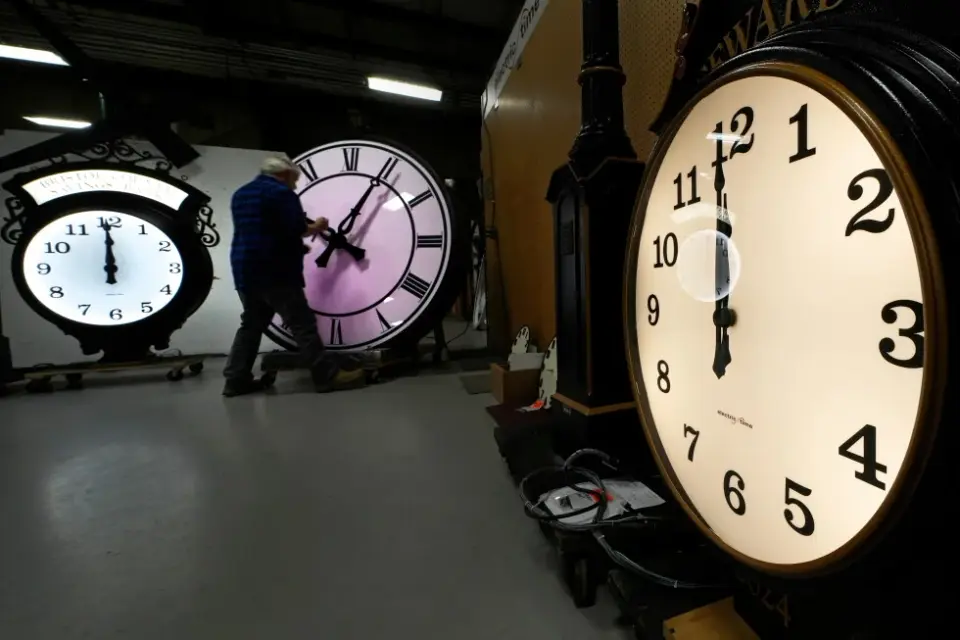
President Trump posted what he claimed was Senator Tom Cotton's personal cell number on Truth Social to pressure the Arkansas Republican into supporting the Sunshine Protection Act. The bill, which would make daylight saving time permanent, passed the House in July but faces Senate resistance. Cotton opposes the measure, citing dark winter mornings, while Trump argues the current system is costly and disruptive.
Key points
- Trump posted Cotton's number on Truth Social, urging Arkansans to call him about the Sunshine Protection Act.
- The bill passed the House in July by a 308-117 vote but has not been taken up by the Senate.
- Cotton opposes permanent daylight saving time, arguing it causes dark winter mornings and harms children and workers.
- Trump cited support from PGA Tour CEO Brian Rolapp and argued the current system is costly and disruptive.
- Democratic Rep. Joaquin Castro warned that sharing Cotton's number puts him at risk of hacking by foreign actors.
Background
The Sunshine Protection Act has been a recurring issue in Congress, with the Senate passing a similar bill in 2022 that stalled in the House. Trump has made eliminating the twice-annual clock change a key part of his policy agenda since his 2024 re-election. In 1974, Congress briefly adopted permanent daylight saving time but repealed it less than a year later due to public opposition over dark winter mornings.
How outlets are covering it
AP and NBC News emphasize Trump's direct confrontation with Cotton, including the publication of his phone number and Cotton's rebuttal on X. CNN highlights the security concerns raised by Democratic Rep. Joaquin Castro, who warned that sharing a senator's number could expose him to hacking by foreign actors. Al Jazeera focuses on Trump's broader pressure on Senate Republicans, noting that some members, such as Sen. John Kennedy, are skeptical the bill will pass before the November 3 midterm elections. All outlets agree that Cotton opposes the measure, citing dark winter mornings, while Trump argues the current system is costly and disruptive.
Why it matters
The dispute highlights tensions within the Republican Party over a high-profile policy issue and raises concerns about the security risks of publicly sharing a senator's personal contact information. It also underscores the ongoing debate over the practical and economic impacts of daylight saving time in the United States.
What to watch
The Senate is expected to return after the November 3 midterm elections, at which point the Sunshine Protection Act may be taken up for a vote. Trump is likely to continue pressuring Senate Republicans to support the bill, while Cotton and other opponents may maintain their stance against permanent daylight saving time.
- Trump urges calls to Arkansas Sen. Tom Cotton in push for permanent daylight saving time AP News
- Trump posts GOP lawmaker’s phone number amid spat over Daylight Saving Time CNN
- Trump ramps up pressure on US Republicans to end US clock switching Al Jazeera
- Trump, Cotton tussle over daylight savings after cell phone number leak The Hill
- Trump appears to post Sen. Tom Cotton’s cell number in push to make daylight saving time permanent NBC News
Want the full story? Read the original reporting
Read on AP News