
Trump Rejects Midterm Results, Revives Voting Machine Conspiracy Theories
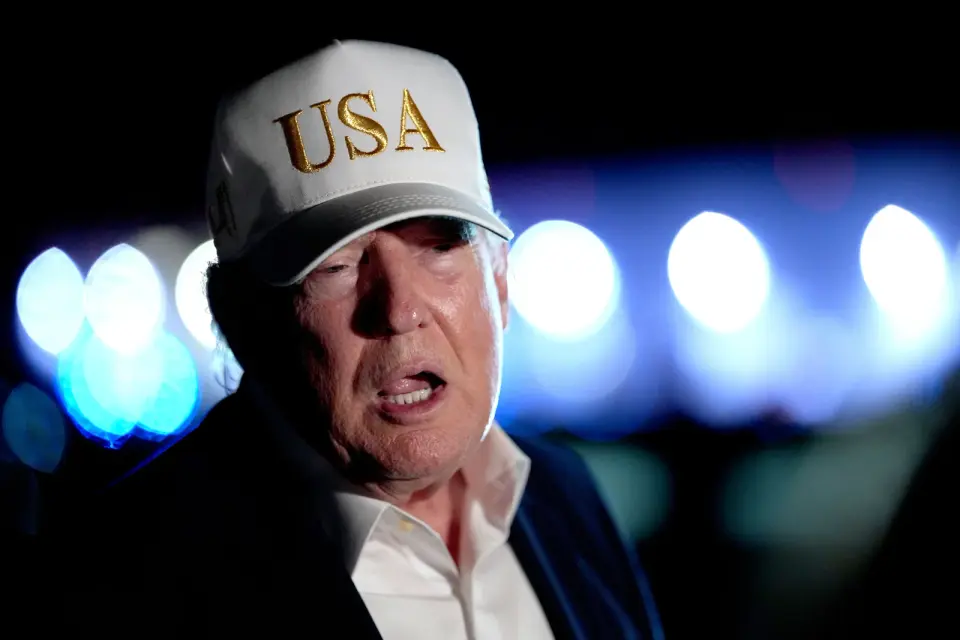
President Donald Trump has publicly denied the legitimacy of the 2026 midterm election results, claiming that large early voting totals and electronic voting machines rendered the outcome dishonest. This statement marks a sharp reversal from his election night comments, where he expressed willingness to work with the new Democratic majority. Democrats achieved historic gains, securing majorities in both the House and Senate, as well as control of numerous local governments. Trump’s latest post on social media specifically targets early voting 'dumps' and machine reliability, echoing conspiracy theories he promoted after losing the 2020 presidential race. While he previously suggested cooperation, he now asserts that the polls were too far off to be accurate, despite Republicans controlling many of the states where Democrats won decisively.
Key points
- Trump posted on social media on November 9, 2026, questioning the honesty of the midterm election and citing 'early voting dumps' and voting machines as reasons for the outcome.
- Democrats secured historic victories, including the largest House majority in decades, control of the Senate, and numerous local government seats across the country.
- Trump’s current stance contradicts his election night remarks, where he told The New York Times he was 'absolutely willing' to accept the results and work with Democrats.
- The president’s claims echo his 2020 election loss narrative, despite Republicans controlling many states where Democrats won, such as Texas, Kansas, and South Carolina.
- Trump previously directed the Department of Justice to interfere in key states but did not take broader preemptive action against voting equipment as pressured by some allies.
Background
This development follows a period where Trump initially conceded defeat, blaming his absence from the ballot and Fox News coverage for Republican losses. He had also congratulated Democrats on their wins and asserted his veto power would force cooperation. The archive notes that Democrats had already secured early Senate victories in North Carolina, Georgia, and New Hampshire, signaling a broader shift in power. The current denial of results occurs as incoming House Speaker Hakeem Jeffries weighs strategic trade-offs between legislative wins and confrontation with the administration.
How outlets are covering it
Democracy Docket emphasizes that Trump’s claims resurrect old conspiracy theories about voting machines and that his post targeted specific early voting trends in key Senate races. The outlet notes that while Trump directed the DOJ to interfere in a few states, he did not take broader preemptive action against voting equipment. CNBC highlights the sharp pivot in Trump’s tone, contrasting his current denial with his election night willingness to work with Democrats. CNBC also points out the irony that Republicans controlled many states where Democrats won decisively, undermining the claim of widespread fraud. Both outlets agree that Trump’s current stance mirrors his 2020 election loss narrative, but they differ in emphasis: Democracy Docket focuses on the specific claims about early voting and machines, while CNBC focuses on the political contradiction and the broader context of Republican control in key states.
Why it matters
Trump’s denial of election results could fuel further political polarization and undermine public trust in the democratic process. It may also complicate the working relationship between the executive and legislative branches, as Democrats now hold majorities in both chambers. The revival of voting machine conspiracy theories could distract from policy debates and potentially influence future election security measures. Additionally, it sets the stage for potential legal challenges or political maneuvering by Republicans who may seek to contest results or block Democratic legislation.
What to watch
Democrats in Congress are expected to pursue their agenda, including challenging Trump’s tariffs and potentially investigating the administration. Trump’s administration may continue to push for changes in voting procedures or challenge specific results in key states. The incoming House Speaker, Hakeem Jeffries, will need to balance legislative priorities with confrontations with the president. Public discourse may continue to focus on election integrity and the role of voting machines, potentially influencing future election security policies and public trust in the electoral process.
- ‘All about the machines’: Trump claims Democrats’ midterm wins not ‘honest’ Democracy Docket
- Trump Veers Back Into Claims of Rigged Election, Questioning Midterm Results The New York Times
- Trump baselessly casts doubt on midterm election results The Hill
- Trump reacts to Vance’s Iran war post, says he’d make the same call Politico
- Trump questions midterm election results, revives voting-machine conspiracy CNBC
Want the full story? Read the original reporting
Read on Democracy Docket