
Trump shifts presidential ad funding to super PAC after bipartisan backlash
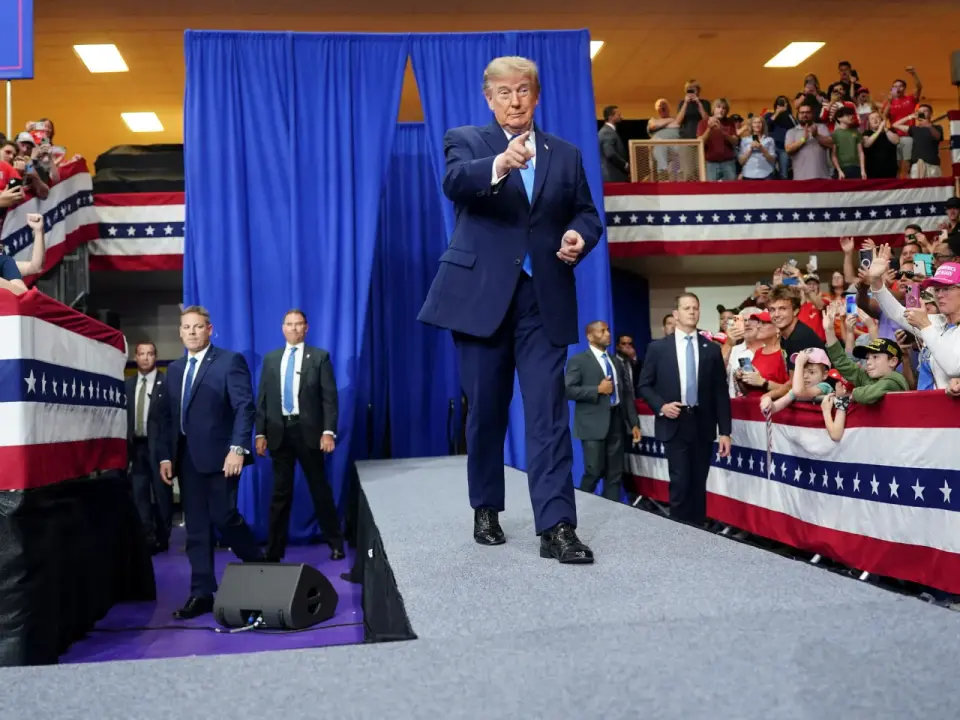
President Donald Trump announced he will stop using federal funds for television advertisements promoting his administration, shifting the cost to his super PAC, MAGA Inc. This reversal follows intense bipartisan criticism and calls for independent investigations into the legality of the spots, which aired ahead of the November midterm elections.
Key points
- Trump stated on social media that he will pay for the 'Patriotic Ads' himself using funds from MAGA Inc., which had amassed over $400 million by July 2026.
- The ads, which cost at least $1.5 million to $10 million depending on the source, featured pro-presidential messaging and were funded through a $20 million contract awarded to a Maryland-based agency.
- Critics, including Democratic leaders and some Republicans, argued the ads violated laws prohibiting the use of public funds for political propaganda, while the White House defended them as educational public service announcements.
- Trump declined to commit to reimbursing the government for the funds already spent on the aired advertisements, stating 'we'll decide' when pressed by reporters.
Background
This development follows earlier reports in early October 2026 that White House aide Natalie Harp played a central role in steering a $20 million taxpayer-funded ad campaign. Previous coverage noted that the ads, which included spots like 'God Made Trump,' were funded through a contract with a Maryland-based agency, with senior Customs and Border Protection leaders reportedly excluded from the decision-making process. The current shift to private funding is a direct response to the escalating legal and political controversy surrounding these initial expenditures.
How outlets are covering it
Outlets differ on the total cost of the ads, with Al Jazeera citing at least $1.5 million, while NBC News and AdImpact estimate the government spent at least $10 million. The White House maintains the ads are 'educational' and 'not political,' contrasting with Democratic leaders like Chuck Schumer, who called them 'propaganda' and 'gross waste.' Republican leaders were split; while FCC Chair Brendan Carr defended the ads, Senator John Thune and Senator John Kennedy argued that taxpayer dollars should not be used for such promotional spots. Legal experts, including Margaret Dylus-Yukins, noted that past government ads typically focused on public health or emergencies, not presidential promotion.
Why it matters
The shift in funding strategy highlights the ongoing legal and ethical debates surrounding the use of federal resources for political messaging. It also impacts the financial resources of MAGA Inc., which may need to divert funds from other election spending plans to cover the cost of these advertisements. The controversy adds to the broader scrutiny of the Trump administration's actions ahead of the pivotal November midterm elections.
What to watch
The next steps will likely involve the outcome of any independent investigations called for by lawmakers and ethics experts. Additionally, the financial impact on MAGA Inc. and the potential legal challenges to the use of federal funds for the already aired ads will be closely watched. The November 3 midterm elections will also serve as a key test of public sentiment regarding these actions.
- Trump says taxpayers will no longer fund TV ads that praise him Al Jazeera
- Trump says he will stop using US taxpayer funds for ads BBC
- Facing Backlash, Trump Says His Super PAC Will Pay for Taxpayer-Funded Ads The New York Times
- Trump reverses course, says he won’t use taxpayer money for campaign-style ads The Washington Post
- After bipartisan criticism, Trump says taxpayers’ dollars will no longer be used for TV ads promoting him NBC News
Want the full story? Read the original reporting
Read on Al Jazeera