
White House Press Pool Boycott Leaves Trump Inaudible During Helipad Ceremony
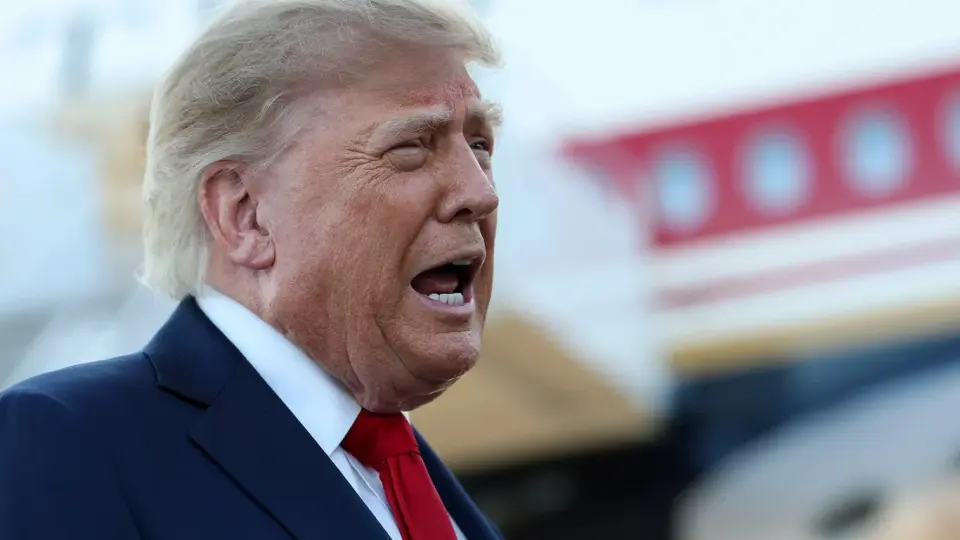
The White House press pool suspended all TV coverage on September 21, 2026, in response to President Trump’s ban on CNN, MS NOW, and Politico. This boycott resulted in a complete lack of independent audio and video during the president’s South Lawn helipad ribbon-cutting ceremony. While the White House provided a feed, it contained no usable audio, leaving the public without an independent record of the event. The move marks the first time in decades that major networks have collectively refused to cover a presidential event, highlighting the immediate consequences of the administration’s attempt to restrict media access.
Key points
- The White House press pool, comprising ABC, CBS, CNN, Fox News, and NBC, suspended coverage of President Trump on September 21, 2026, following his ban on three media outlets.
- During the helipad ribbon-cutting ceremony, the White House-provided video feed contained no usable audio, rendering Trump’s remarks inaudible to the public.
- CNN, MS NOW, and Politico filed a lawsuit on the same day, arguing the ban violates the First Amendment and constitutes a deprivation of property and liberty interests without due process.
- The boycott leaves the public without an independent audiovisual record of presidential events, as the White House pool is the primary source for coverage of the president’s movements and remarks.
- The administration maintains the ban targets 'fake news' rather than the free press, while the networks argue it is an unconstitutional attempt to dictate public information.
Background
This development follows a series of earlier reports from our archive detailing the legal challenges and logistical disruptions caused by the media ban. Previous coverage highlighted the unprecedented nature of the pool rotation breakdown and the immediate filing of First Amendment lawsuits by the affected outlets. The current situation represents the culmination of these tensions, moving from legal disputes to a tangible operational blackout that affects the public’s access to information.
How outlets are covering it
Axios emphasizes the functional role of the press pool in providing an independent record of presidential activities, noting that the blackout leaves the public reliant on government-provided feeds that lack audio. Politico focuses on the political implications, highlighting the absence of major network coverage during a significant diplomatic week and the administration’s defense of the ban as a measure against 'fake news.' The New Republic frames the event as an immediate backfire of Trump’s media strategy, pointing out that the lack of audio during the helipad ceremony was widely recognized as a failure of the censorship attempt. All sources agree on the factual suspension of coverage but differ in their emphasis: Axios on the technical and public information gap, Politico on the political and diplomatic context, and The New Republic on the strategic failure of the administration's approach.
Why it matters
The suspension of the White House press pool coverage is a significant event in U.S. media and political history, as it represents the first time in decades that major networks have collectively refused to cover a presidential event. This blackout raises serious questions about the public’s access to independent information and the administration’s ability to control the narrative. The lack of audio during the helipad ceremony underscores the practical consequences of the media ban and the potential for a chilling effect on press freedom. The ongoing legal battle and the political fallout will likely have long-term implications for the relationship between the White House and the media.
What to watch
The next steps will likely involve the court’s ruling on the First Amendment lawsuit filed by CNN, MS NOW, and Politico. The administration’s response to the boycott and the potential for further legal challenges will be closely watched. Additionally, the public and media will continue to monitor the White House’s efforts to provide coverage of presidential events, as the lack of independent audio and video could have significant implications for the public’s understanding of the president’s actions and remarks.
- Trump inaudible during TV blackout: What the press pool does Axios
- Trump inaugurates new White House helipad, but networks skip coverage during First Amendment fight AP News
- Cutting the cameras Politico
- Trump’s Ban on White House Press Backfires Immediately The New Republic
- Trump Inaudible In First Attempt At TV Without Major Networks He Banned Forbes
Want the full story? Read the original reporting
Read on Axios