
Trump’s Camp Cabinet Meeting Faces Stalled Iran War and Rising Gas Prices
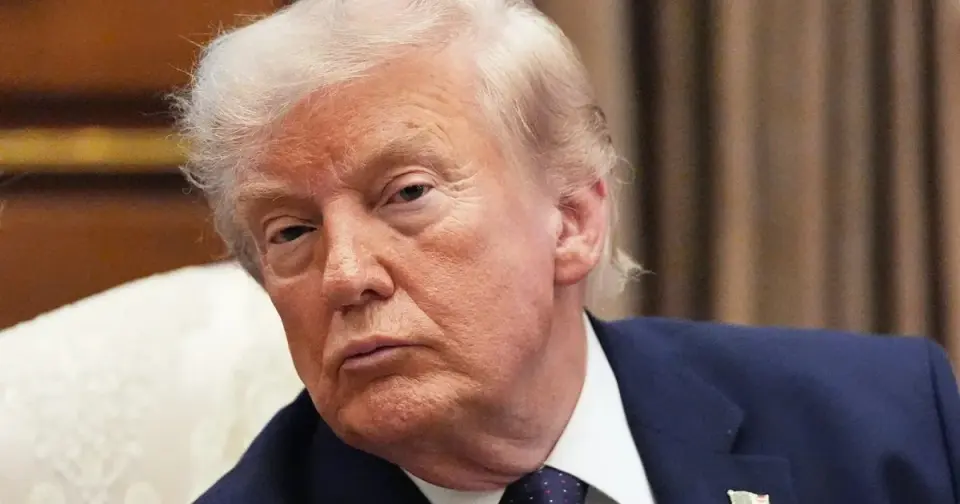
President Donald Trump convened his 13th Cabinet meeting at Camp David on Friday to address the expanding conflict with Iran, which has persisted for five months despite initial promises of a quick resolution. The meeting comes amid stalled diplomatic negotiations, rising gasoline prices, and a record-low approval rating. While the administration seeks a path to end the war, the conflict has widened to include Saudi Arabia and threatened global shipping routes, with no clear strategy emerging from recent high-level talks.
Key points
- The conflict, initially projected to last weeks, has now continued for five months with no endgame in sight.
- Diplomatic talks stalled after a June memorandum of understanding, with Iran maintaining control of the Strait of Hormuz.
- Saudi Arabia entered the conflict directly by conducting airstrikes against Iran-backed militias in Iraq and leading a new defense coalition.
- U.S. gasoline prices have risen to $4.10 per gallon, up nearly $1 from the previous year, impacting the economy.
- Trump’s approval rating has dropped to a record low of 32%, and only one in three Americans support the war.
Background
In late July, a pause in strikes occurred, but Iran rejected talks and maintained control of the Strait of Hormuz. Earlier in June, Senate Republicans flipped their votes on a war-powers resolution after a tense meeting with the President, though the measure remained largely symbolic. In late July, the U.S. weighed widening the war as strikes targeted shipping threats in the Strait of Hormuz, amid rising casualties and market volatility.
How outlets are covering it
MS NOW emphasizes the lack of a clear strategy and the widening regional conflict, noting that Saudi Arabia’s direct entry and Iran’s strikes on Egyptian targets signal a broader threat to shipping. The Guardian highlights the domestic political pressure, noting that the war has damaged Trump’s popularity ahead of the November midterms and that a war-powers resolution narrowly failed in the Senate. ABC News was unavailable for review. MS NOW and The Guardian agree on the stalled diplomacy and economic impact, but MS NOW focuses more on the military escalation and international actors, while The Guardian focuses on the domestic political fallout and polling data.
Why it matters
The ongoing conflict threatens global energy prices and supply chains, directly impacting the U.S. economy and voter sentiment. The widening involvement of regional powers like Saudi Arabia and the potential for further military escalation could lead to increased casualties and broader geopolitical instability, complicating the administration’s ability to secure a diplomatic exit before the midterm elections.
What to watch
The administration must decide whether to pursue diplomacy, increase economic pressure, or escalate military action. The outcome of the Camp David meeting will likely signal the next phase of the conflict, while the Senate may revisit war-powers legislation if the situation deteriorates. Gasoline prices and inflation will remain key indicators of the war’s economic impact in the coming months.
- Trump holds Cabinet meeting at Camp David amid widening Iran war MS NOW
- Trump, fighting the Senate and Iran, takes team to Camp David The Hill
- Trump to meet cabinet at Camp David as Iran war drags on – US politics live The Guardian
- Trump to convene cabinet meeting at Camp David today amid Iran tensions The Times of Israel
- Trump is taking his Friday Cabinet meeting on the road to Camp David ABC News - Breaking News, Latest News and Videos
Want the full story? Read the original reporting
Read on MS NOW