
Trump's 28-Day Midterm Sprint Blends Farewell Tour Vibes with Unconventional Rhetoric
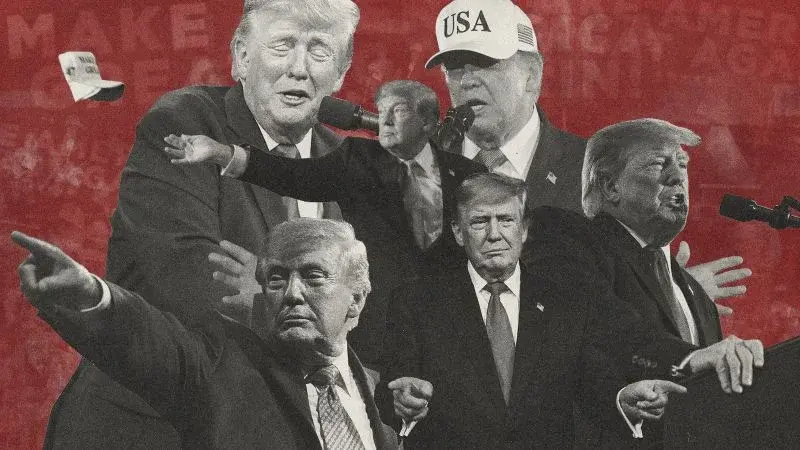
President Donald Trump concluded a grueling 28-day rally tour across deep-red states, framing the midterms as a loyalty test for his base. While acknowledging the events felt like a 'farewell tour' for his role as party standard-bearer, he pivoted away from economic concerns to focus on personal branding, controversial ads, and dismissals of polling data. The campaign strategy emphasized mobilizing ardent supporters in non-competitive states, despite visible signs of voter fatigue and internal GOP friction.
Key points
- Trump held over 20 rallies in October, describing the schedule as a 'farewell tour' for his status as the Republican party's primary figurehead, with his voice reportedly strained from the intensity.
- In Florida and other states, Trump urged voters to 'pretend he is on the ballot,' shifting focus from cost-of-living issues to a test of loyalty for down-ballot candidates.
- The president defended a controversial ad featuring the estranged mother of Ohio gubernatorial nominee Amy Acton, clashing with GOP candidate Ashley Hinson who called the spot 'ridiculous.'
- Trump dismissed national polling as 'phony,' claiming his approval rating was artificially low, while simultaneously acknowledging aides advised him not to mention high gas prices or oil profits.
- Rallies in Kansas and South Carolina featured significant protests and heckling, which Trump addressed with humor, while crowds in deep-red areas like Texas and Mississippi remained largely supportive but occasionally skeptical of his tangents.
Background
This intense rally schedule follows earlier reports of shrinking crowds and low approval ratings in states like Alabama and Mobile, where empty arenas signaled potential voter dissatisfaction. Previous coverage noted that some GOP candidates were distancing themselves from Trump's brand due to economic concerns, a tension that resurfaced during the October sprint as candidates like Ashley Hinson criticized campaign ads endorsed by the president.
Why it matters
The strategy highlights a critical shift in the 2026 midterm approach, prioritizing base mobilization over broad appeal in an effort to counter declining approval ratings. By framing the election as a personal loyalty test and ignoring economic pain points, the campaign risks alienating moderate voters while attempting to energize the core MAGA base in states where Republican control is not guaranteed.
What to watch
Trump is scheduled to travel to Iowa and Kansas for final telerallies and in-person events on Election Day weekend, despite earlier cancellations. The outcome of these last-minute appearances will determine whether the 'farewell tour' narrative holds or if the intense schedule yields the desired turnout boost for vulnerable Republican candidates.
Want the full story? Read the original reporting
Read on CNN