
Trump’s 30-Stop Midterm Blitz Contrasts with Democratic Fractures in Michigan
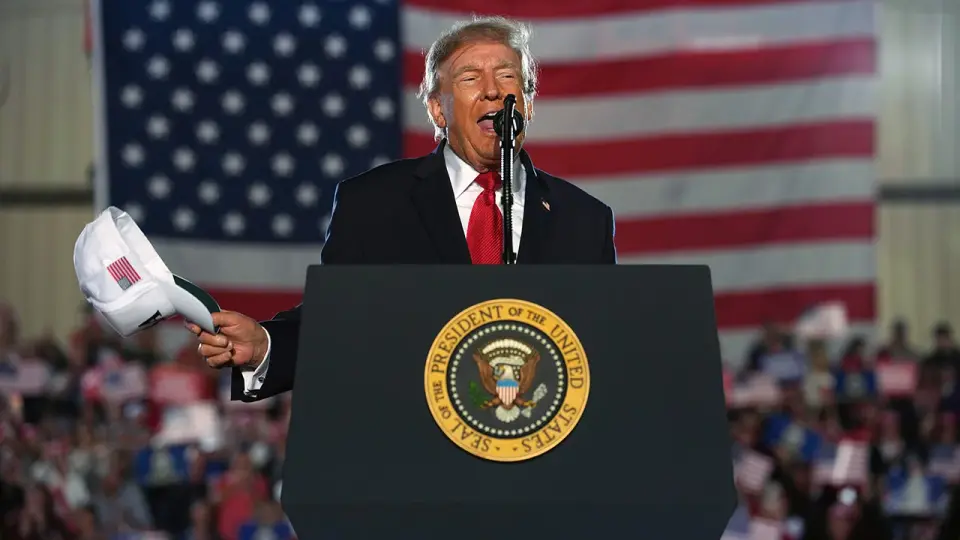
President Donald Trump concluded his 2026 midterm campaign with over 30 events across 20 states, a volume far exceeding his predecessors. While he focused on defending traditional Republican strongholds like Iowa and Kansas, Democrats faced internal divisions, notably in Michigan. Polls indicate a high probability of Democrats gaining the House, despite Trump’s aggressive ground game.
Key points
- Trump held 30 campaign events in 32 days, visiting 20 states, including multiple stops in Texas, Ohio, and Florida.
- In contrast, Joe Biden held only eight major events in the 2022 midterms, and Barack Obama held seven in 2014.
- Trump’s strategy focused on states he previously won, such as Iowa and Kansas, acknowledging competitive shifts due to economic concerns.
- Democrats faced a crisis in Michigan when former nominee Haley Stevens endorsed Republican Mike Rogers, citing exclusion from the campaign.
- Harvard forecasting models suggest Democrats have a 96% chance of winning the House and a 76% chance of the Senate.
Background
This intense campaign period follows months of rising gasoline prices and economic anxiety linked to the Iran conflict, which had previously lowered Trump’s approval ratings. Earlier in October, Trump had already begun a heavy travel schedule, including a Columbus Day event and a rally in Texas where he terminated Biden-era methane rules. The current push represents the final phase of a defensive strategy for the Republican party, which faces historical headwinds in midterm elections.
How outlets are covering it
The Daily Signal emphasizes the sheer volume of Trump’s travel, framing it as evidence of a 'relentless work ethic' and unmatched energy compared to Biden and Obama. They highlight his claim that his presence increases voter turnout by 49%. AP News offers a more analytical view, noting that while Trump’s rallies energized base supporters, they also exposed vulnerabilities in states he previously dominated. AP highlights the defensive posture of the GOP and the risk of losing control of Congress. BBC focuses on the broader political stakes, noting that while Trump campaigned aggressively, polls suggest Democrats are likely to win the House. BBC also highlights the dramatic fallout in Michigan, where a Democratic candidate endorsed a Republican, a move Trump praised as 'brave' but which caused significant party friction.
Why it matters
The outcome of these midterms will determine whether Congress can check the power of the Trump administration. A Democratic majority in the House could lead to investigations and legislative hurdles for the White House. Conversely, a Republican hold would allow Trump to advance his agenda without congressional obstruction. The internal Democratic fractures, particularly in Michigan, suggest that even if Democrats win seats, party unity may remain a challenge for the 2028 cycle.
What to watch
Voters will cast ballots on November 3. The immediate focus will be on the results in key swing states like Michigan, Iowa, and Kansas. If Democrats gain the House, they will likely launch investigations into the Trump administration’s policies, including the Iran war and tariff implementations. Republicans will assess whether Trump’s personal brand can overcome economic dissatisfaction in future elections.
- Trump’s Midterm Travel Runs Circles Around Obama, Biden The Daily Signal
- Trump faces a future without the rallies that made him a political force The Washington Post
- Trump rallies in Iowa and Kansas as Republicans fight to keep Senate and House control AP News
- Two days out from Election Day, Trump rallies for Iowa Republicans in Dubuque Iowa Capital Dispatch
- Trump makes final weekend campaign push ahead of midterm elections BBC
Want the full story? Read the original reporting
Read on The Daily Signal