
Legal scholars and officials clash over the legality and funding of Trump's $5,000 'dividend'
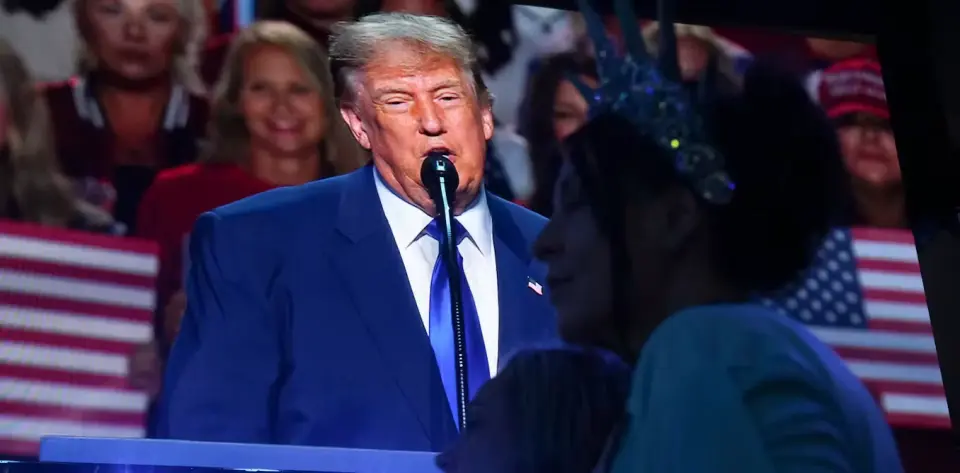
President Trump's pledge of a $5,000 payment to all adults if Republicans retain Congress has triggered a legal and fiscal debate. While critics and some officials call it a bribe, legal scholars argue it may be protected speech under Supreme Court precedent. Administration officials offer conflicting funding sources, ranging from tariff revenue to private wealth, while the $1.2 trillion cost threatens to worsen the national debt.
Key points
- Trump promised a $5,000 'dividend' to all adults if Republicans win both chambers in the November midterms.
- The proposal is estimated to cost over $1.2 trillion, a sum that would exceed half of the federal discretionary budget.
- Commerce Secretary Howard Lutnick claims the funds would come from private sources, such as the 'Trump Platinum Card' program, not taxpayer money.
- Legal scholars argue the promise is likely legal under the 1982 Supreme Court case Brown v. Hartlage, which protects broad political promises.
- Critics, including some Republicans, label the pledge a 'bribe' and a fiscally dangerous gimmick that ignores the $40 trillion national debt.
Background
This pledge follows earlier, unfulfilled promises by Trump to issue cash dividends funded by tariff revenue or government savings. The proposal arrives amid high inflation, a rising national debt, and a 32% approval rating for the president's economic handling.
How outlets are covering it
Outlets highlight a sharp divide between legal interpretation and political reality. The Conversation notes that while critics like Public Citizen call the pledge bribery, the 1982 Supreme Court ruling in Brown v. Hartlage suggests broad promises to voters are protected speech. Conversely, NBC News and CNN emphasize the fiscal impossibility, with Lutnick citing private revenue sources while other officials point to tariff income or congressional reconciliation. CNN reports that the pledge blindsided many administration officials, while The Guardian focuses on the broader political climate, noting the tension between the administration's economic promises and the ongoing military conflict with Iran.
Why it matters
The pledge tests the boundaries of federal election law and the limits of the US budget. If implemented, it would require unprecedented congressional action and could destabilize markets by signaling a disregard for fiscal discipline, potentially worsening inflation and interest rates.
What to watch
The White House is scrambling to define the funding mechanism, while Republican lawmakers debate whether to draft legislation. The ultimate outcome depends on the November midterm results and whether the administration can navigate the legal and fiscal hurdles of a $1.2 trillion payout.
- How anti-bribery laws apply to Trump’s promise of $5,000 payments if Republicans keep control of Congress The Conversation
- Trump keeps touting $5,000 payments if Republicans retain control of Congress as some in his party question feasibility – live The Guardian
- Lutnick says Trump’s $5,000 checks for Americans wouldn’t rely on taxpayer funds NBC News
- Trump officials scramble to manage fallout after his $5K check pledge to all Americans CNN
- Wall Street Journal editorial board denounces ‘preposterous’ Trump dividend plan The Hill
Want the full story? Read the original reporting
Read on The Conversation