
Trump's Evolving Rhetoric on Soaring Fuel Costs Amid Iran War
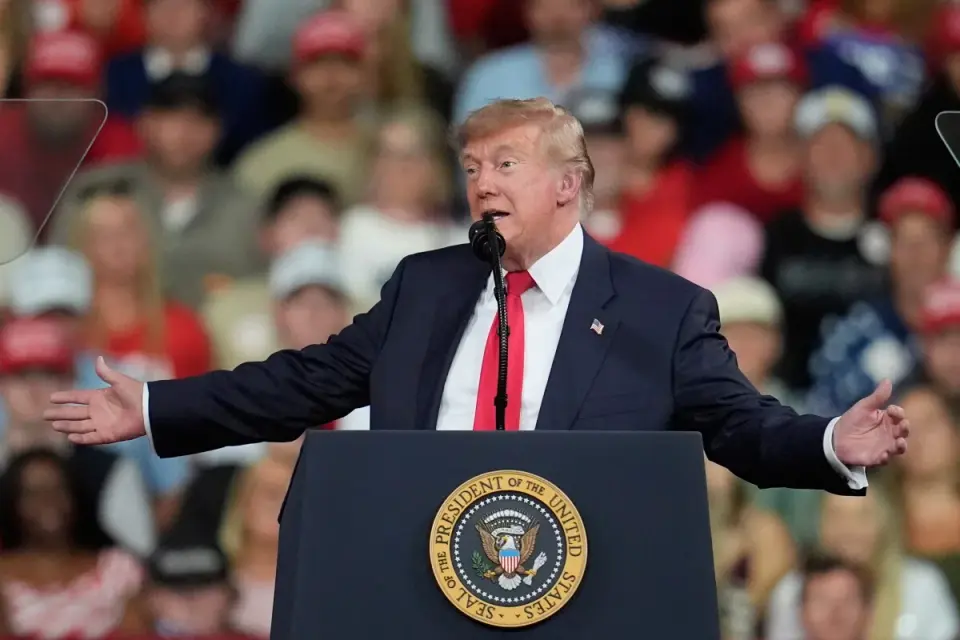
Since the US launched a war against Iran in late February 2026, President Donald Trump has repeatedly shifted his stance on rising energy costs. While gasoline and diesel prices have surged to record highs, undermining Republican midterm election prospects, Trump has alternated between blaming retailers, promising post-election price drops, and framing the crisis as a financial windfall for US oil producers. The national average for gasoline has risen from $2.98 to $4.29, while diesel has jumped from $3.76 to $6.35 per gallon.
Key points
- Gasoline prices have increased by approximately 44% since the war began, reaching $4.29 per gallon as of October 2026.
- Diesel prices have surged 74% compared to the same period last year, hitting a record high of $6.35 per gallon.
- Trump initially claimed gas prices were falling in February 2026, just days before the conflict started.
- In June, Trump blamed retailers for not lowering prices quickly enough despite falling oil costs.
- In September, Trump predicted oil prices would drop only after the midterm elections.
- In October, Trump announced a deal to purchase Russian diesel and a new $8 billion harvest fuel relief program for farmers.
Background
The current energy crisis is a direct result of the US-Israel military campaign against Iran that began in late February 2026. This conflict led to the closure of the Strait of Hormuz, severely disrupting global oil supplies. Prior to the war, the US had been experiencing relatively low fuel costs, with gasoline averaging around $2.95 per gallon. The subsequent price spikes have triggered broader economic strain, including record heating oil prices in the Northeast and increased costs for shipping and consumer goods. These economic pressures have intensified political tensions ahead of the November 3 midterm elections, where cost-of-living concerns are a primary voter issue.
Why it matters
The sharp rise in energy costs poses a significant threat to the Republican Party's ability to retain control of Congress in the upcoming midterm elections. High fuel prices are eroding public support for the administration and increasing household financial strain. Trump's shifting narratives on the issue, from blaming retailers to promising post-election relief, highlight the administration's struggle to manage the economic fallout of the war. The situation also marks a notable policy reversal, as the US has moved from pressuring Russia to potentially importing Russian diesel to mitigate domestic price spikes.
What to watch
Analysts and political observers are watching to see if fuel prices will decline as Trump predicted after the November 3 elections. The effectiveness of the new harvest fuel relief program and the Russian diesel deal will be closely monitored. Additionally, the outcome of the midterm elections will likely determine whether the administration can pass further funding for farmers and other measures to offset energy costs. The ongoing conflict with Iran and the status of the Strait of Hormuz will remain critical factors in determining future energy prices.
Want the full story? Read the original reporting
Read on AP News