
Trump’s Five-Day Concession Spree to Moscow Risks GOP Midterm Control
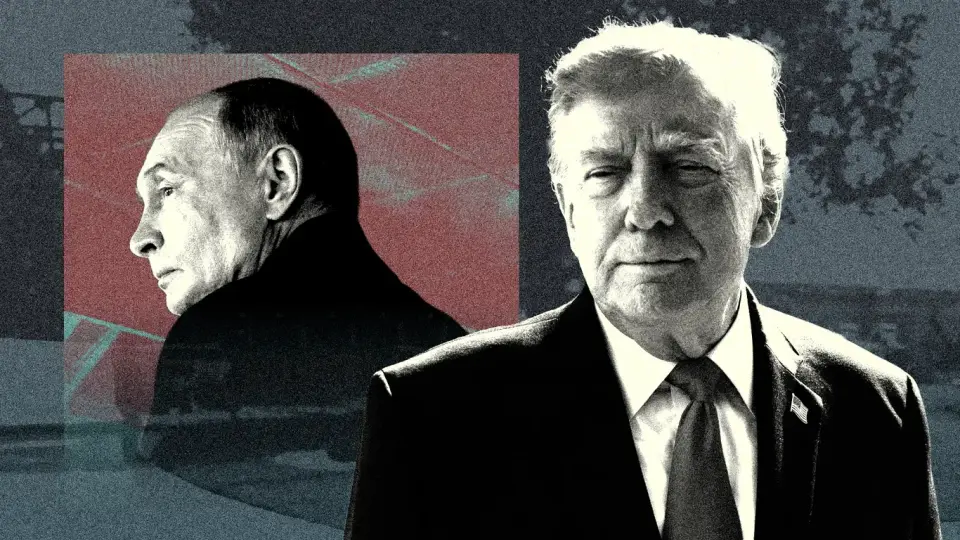
President Trump has launched a rapid series of diplomatic concessions to Russia in the final weeks before the midterm elections, prioritizing his relationship with Vladimir Putin over Republican electoral interests. This five-day campaign includes waiving sanctions to release Russian diesel, declaring an 'energy ceasefire' while Russia continues attacks, and dismissing intelligence reports on Russian support for Iran. These moves have triggered bipartisan backlash and deepened rifts with European allies, as Trump appears willing to accept political consequences for his own party to maintain his preferred foreign policy stance.
Key points
- Since Friday, Trump has issued multiple concessions to Moscow, including a deal to release millions of tons of Russian diesel and a declaration of an immediate 'energy ceasefire' that has not stopped Russian attacks on Ukrainian infrastructure.
- Trump dismissed intelligence reports suggesting Russia is supplying information about U.S. military assets to Iran, doubling down on the diesel deal despite concerns that proceeds will fund Russia's war machine.
- GOP senators labeled the diesel agreement a 'betrayal' and a 'gift to our adversary,' while energy analysts doubt the deal will meaningfully lower fuel prices, which have risen 70% since the Iran conflict began in February.
- A January YouGov poll indicated that 81% of Trump's 2024 voters view Putin unfavorably, creating a significant political risk for Republicans seeking to retain control of Congress.
- Trump posted on Truth Social that he is 'not running in the Elections' and has 'already won,' suggesting he views himself as insulated from the potential legislative paralysis and investigations that could result from losing Congress.
Background
This latest escalation follows a week of intense scrutiny regarding the Russian diesel deal, which was announced just days ago. Previous coverage highlighted that U.S. diesel futures spiked 5% after the announcement, signaling that the market rejected the administration's claim that the deal would lower costs. Senators had already urged Trump to rescind the agreement, citing negligible supply impacts and the geopolitical risk of funding Russia's war effort. The current developments represent a broadening of these concessions beyond just fuel, extending to intelligence dismissals and diplomatic posturing that further isolates Washington from its NATO allies.
Why it matters
The timing of these concessions is critical as they occur just three weeks before the midterm elections, where control of Congress is at stake. If Republicans lose their majority, Trump's legislative agenda could be paralyzed, and his administration may face years of investigations and subpoenas. By prioritizing his personal affinity for Putin over the political survival of his party, Trump is testing the limits of his influence and potentially sacrificing long-term strategic interests for short-term diplomatic gestures that have failed to address domestic energy crises or strengthen U.S. security.
What to watch
The immediate focus will be on the outcome of the midterm elections and whether the GOP retains control of Congress. In the interim, expect continued bipartisan opposition to the diesel deal and potential legal challenges. European allies are likely to increase support for Ukraine in response to the U.S. breaking ranks with NATO, while energy markets will continue to monitor whether the Russian diesel supply has any tangible effect on global prices, which analysts suggest remains unlikely due to the scale of the Iran conflict.
- Trump plays Russian roulette on eve of midterms Axios
- Senators Urge Trump to Reverse Diesel Deal With Putin The New York Times
- U.S.-Russia deal on diesel is 'very risky choice,' Italy PM Meloni says Reuters
- Surprise Russia diesel deal spurned by growing number of GOP senators The Hill
- Diplomat Richard Haass discusses the Russia-Ukraine war and Trump's role NPR
Want the full story? Read the original reporting
Read on Axios