
Trump’s Iran War Strategy Shifts from Restraint to Escalation Post-Midterms
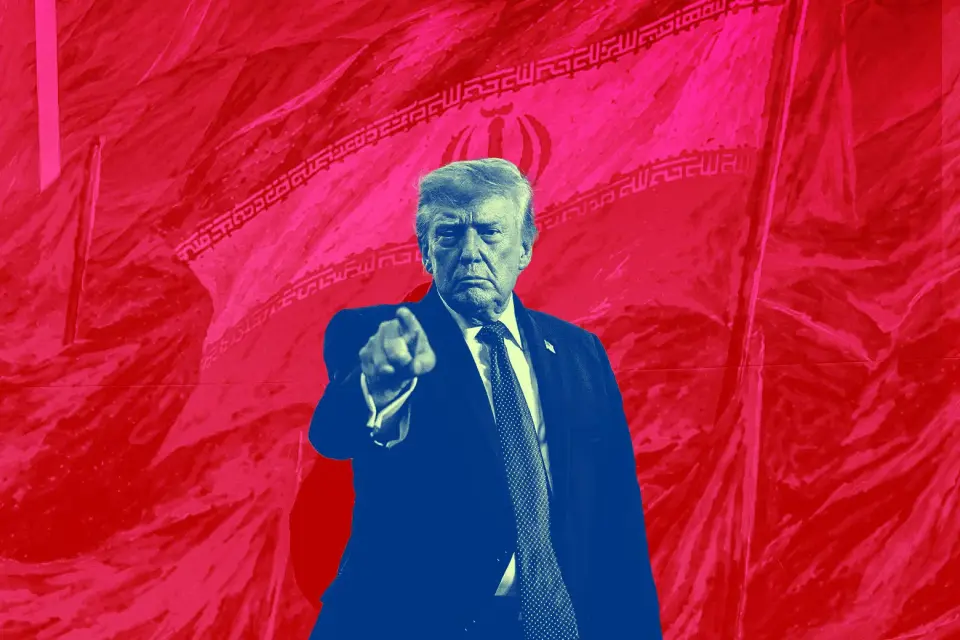
The U.S.-Iran conflict, ongoing for eight months and costing $47 billion, has become a major liability for Republicans in the upcoming midterms due to soaring gas prices. While President Trump has paused strikes to protect his party’s electoral prospects, multiple outlets report that the administration is preparing for a significant escalation immediately after the November 3 vote. This shift highlights a tension between domestic political survival and military objectives, with critics warning that the war’s unpopularity may not be enough to constrain future actions.
Key points
- The conflict began on February 28 with joint U.S.-Israeli strikes, causing oil prices to jump from $67 to $99 per barrel and U.S. gas prices to rise from $2.98 to $4.25 per gallon.
- Trump has publicly pledged not to launch new attacks before the midterms, but officials indicate plans for a 'short, intense military campaign' targeting energy infrastructure and nuclear facilities afterward.
- The Pentagon is moving additional warships and Marines to the region, while Gulf states are stockpiling missiles in anticipation of renewed hostilities.
- Polls show nearly two-thirds of Americans disapprove of the war, with 78% blaming Trump’s policies for rising prices, creating a direct link between foreign policy and domestic economic pain.
- If Democrats win Congress, they could block funding for the war; if Republicans lose the House, impeachment proceedings against Trump could become a possibility.
Background
Our earlier coverage from October 2026 noted that Trump’s efforts to lower fuel prices, including deals for Russian diesel, had failed to bring gas prices below $4.36 per gallon. At that time, analysts argued that geopolitical chaos in the Middle East and Ukraine, rather than domestic policy, was driving costs. The current situation confirms that the Iran conflict remains the primary driver of these economic pressures, despite the administration’s attempts to mitigate the impact before the election.
How outlets are covering it
Slate and CBC emphasize the political cost of the war, noting that the conflict violates Trump’s campaign promise to avoid new wars and has eroded his political capital. They highlight the disconnect between the administration’s military preparations and its public restraint. Fox News, through Rep. Pat Harrigan, argues that the administration must make a binary decision to either 'win or come home,' criticizing the current stalemate as unacceptable for troops and strategic interests. The Mises Institute offers a more critical view, arguing that the war serves a pro-war coalition of Israeli politicians and domestic weapons companies, and that democratic elections are an inadequate constraint on state power, citing historical precedents where presidents delayed unpopular actions until after midterms. While Slate and CBC focus on the immediate political fallout, Fox News frames the issue as a matter of military efficacy, and the Mises Institute questions the fundamental role of public opinion in constraining state action.
Why it matters
The outcome of the midterms will determine whether Congress can check the executive branch’s military actions. A Democratic victory could lead to funding cuts or impeachment, while a Republican hold might allow the administration to proceed with its planned escalation. The war’s impact on gas prices and the broader economy has made it a central issue in an election where affordability was previously the top concern. The potential for a post-election escalation could further destabilize global energy markets and test the limits of democratic accountability in foreign policy.
What to watch
The U.S. is expected to resume strikes on Iran’s energy and nuclear infrastructure shortly after the November 3 election. The administration is moving additional military assets to the region, and Gulf states are preparing for potential retaliation. The outcome of the midterms will determine whether Congress can block funding for the war or if the administration will proceed with its plans. The conflict’s trajectory will also depend on the outcome of the Israeli election, which could affect Trump’s key ally in the region.
- Trump’s Iran War Strategy: Out of the Frying Pan, Into the Fire Slate
- Americans 'frustrated' about Iran war going into midterms as Trump admin has decision to make: GOP lawmaker Fox News
- Iran, the Midterms, and the Myth of Government by the People Mises Institute
- How Trump Can Fight Iran After the Midterms The Free Press
- Why the war in Iran might cost Trump and the Republicans at the ballot box CBC
Want the full story? Read the original reporting
Read on Slate