
Trump’s Midterm Gamble: Linking Federal Aid to GOP Victory Sparks Backlash and Skepticism
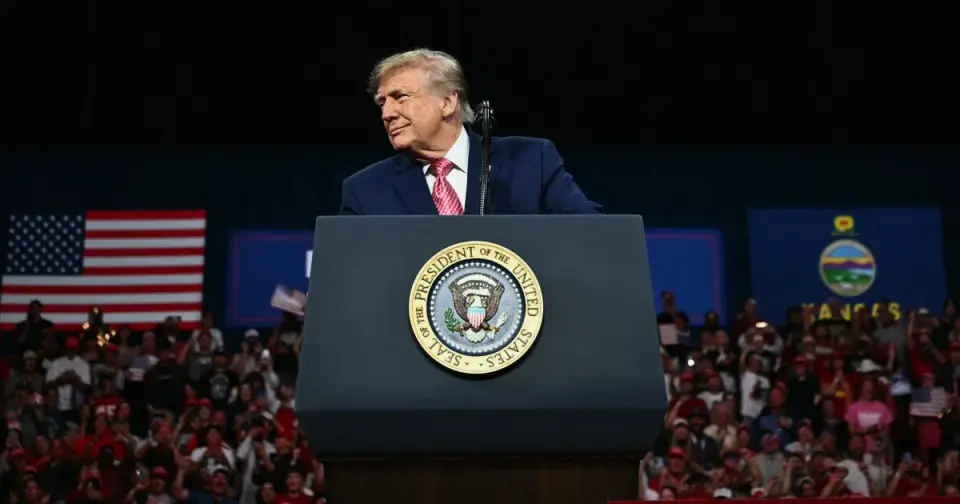
President Trump is conditioning federal benefits on Republican midterm victories, promising $5,000 dividends and state-specific aid if the GOP retains Congress. Critics and polls suggest this strategy may backfire, with many Americans viewing the offers as bribes. Simultaneously, envoy Steve Witkoff’s praise for Vladimir Putin drew bipartisan condemnation, highlighting diplomatic tensions.
Key points
- Trump pledged $5,000 payments to all adults if Republicans win the House and Senate, a measure estimated to cost over $1 trillion.
- The president linked specific state benefits to GOP wins, including permanent E-15 fuel sales in Kansas and Camp Lejeune water claims in North Carolina.
- A NBC News poll found 71% of adults doubt the $5,000 payments will occur, with 47% of self-identified Republicans also skeptical.
- Special envoy Steve Witkoff called Vladimir Putin a 'humanitarian' after the release of an American prisoner, drawing sharp criticism from both Democrats and Republicans.
- Some recipients of smaller Trump-funded checks, such as $90 Medicare payments, donated the money to political opponents, describing the funds as tainted.
Background
This strategy follows a series of earlier pledges, including a $100 million investment in a Kentucky pharmaceutical plant, which Trump conditioned on GOP success. Previous coverage noted that these promises come amid low approval ratings and rising voter frustration over inflation and tariffs.
How outlets are covering it
NBC News highlights the conditional nature of Trump’s promises, noting that some require congressional approval while others rely on executive authority. The Conversation argues that such 'vote buying' rarely works in competitive elections, citing research that shows cash offers often fail to shift votes due to strong partisanship. Rolling Stone characterizes the approach as 'extortion,' emphasizing the transactional nature of the president’s rhetoric. MS NOW reports that many Americans view the cash offers as 'toxic,' with some recipients donating the money to Democratic causes rather than keeping it.
Why it matters
The strategy tests the limits of federal power in elections and could influence voter behavior in tight races. The bipartisan backlash against Witkoff’s comments signals deep concerns about U.S.-Russia relations and the administration’s diplomatic approach, potentially affecting support for the administration’s foreign policy.
What to watch
The November 3 midterm elections will determine if Trump’s conditional promises are enacted. The outcome of the Kansas and North Carolina races will be key indicators of the strategy’s effectiveness. Additionally, the release of the American prisoner and potential trilateral talks with Ukraine may shape future U.S.-Russia dynamics.
- Trump’s growing list of campaign pledges: From the Politics Desk NBC News
- Trump Promises Cash and Bailouts to Woo Midterm Voters Worried About High Prices WSJ
- Offering cash for votes is quite common – but here’s why it doesn’t work The Conversation
- Trump to America: I’ll Only Do My Job if Republicans Win Rolling Stone
- Opinion | Trump has somehow made free money toxic to Americans MS NOW
Want the full story? Read the original reporting
Read on NBC News