
Trump’s Flattery Strategy for Putin Draws Sharp Criticism
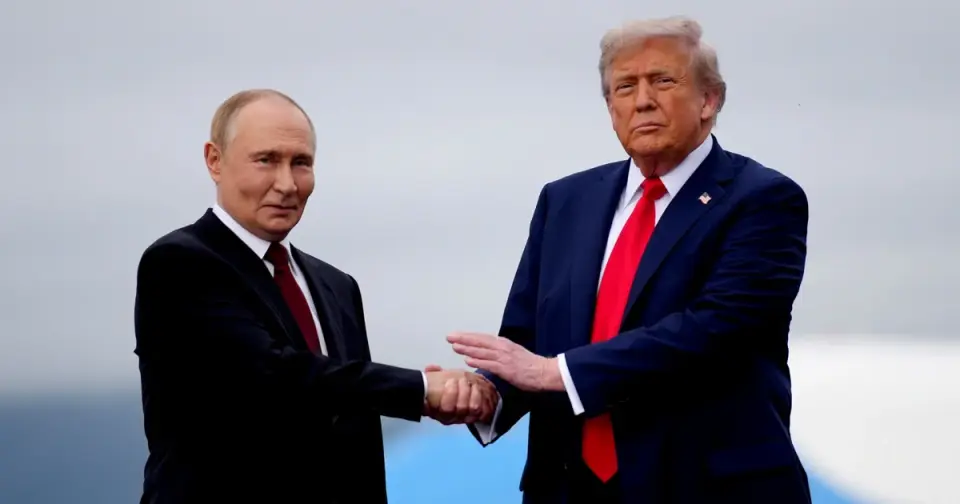
President Trump is using diplomatic courtesies and sanctions waivers to encourage Vladimir Putin to negotiate an end to the Ukraine war, a strategy that has drawn sharp criticism from lawmakers and experts who argue it rewards aggression without yielding results.
Key points
- Trump’s envoy Steve Witkoff called Putin a 'humanitarian' after the release of a detained American, a remark that drew rebuke from Republican senators.
- The administration waived sanctions on Russia, effectively nullifying a law named after the late Senator Lindsey Graham, to signal goodwill.
- Trump has invited Putin to a G20 summit in Miami and proposed a trilateral meeting with China, aiming to reintegrate the Russian leader into international diplomacy.
- Critics argue that without significant leverage or a clear agenda, these gestures are unlikely to force Putin to the negotiating table.
- European officials warn that rewarding aggression may embolden Russia to threaten other states, while US public opinion remains largely supportive of Ukraine.
Background
The Russia-Ukraine war has entered its fifth year. Trump campaigned on ending the conflict quickly but has since acknowledged the complexity of the situation. Previous diplomatic efforts, including a summit in Alaska, failed to produce a peace deal. The administration has also faced internal shifts, including the departure of press secretary Karoline Leavitt and the death of Senator Lindsey Graham, a key Russia hawk.
How outlets are covering it
NBC News reports that experts view Trump’s approach as a deliberate attempt to flatter Putin into negotiations, noting that the administration has distanced itself from Ukraine to appear neutral. The Atlantic argues this is a 'huge mistake,' stating that the US should stand unequivocally with Ukraine and that appeasement has failed to yield results. The Bulwark, while its text was largely obscured by formatting errors, frames the move as a 'double betrayal,' suggesting a strong critical stance. All sources agree that the strategy is controversial, but they differ on its potential effectiveness: NBC presents it as a calculated gamble, while The Atlantic and The Bulwark view it as a failure of moral and strategic judgment.
Why it matters
The US approach to the Ukraine war shapes global security and the future of international norms. If flattery and sanctions waivers fail to produce peace, it may signal that diplomatic pressure alone is insufficient against a determined aggressor. Conversely, if it succeeds, it could set a precedent for resolving conflicts through accommodation rather than deterrence, with significant implications for European security and US credibility.
What to watch
The G20 summit in Miami in December will be a key test of whether Putin is willing to engage. The administration may continue to adjust sanctions and diplomatic invitations, but without a clear leverage strategy, progress remains uncertain. European allies are likely to push for a more defined peace framework that protects Ukraine’s sovereignty.
- Trump hopes to flatter Putin into negotiating on Ukraine, experts say NBC News
- Russia and the West Need a Future Beyond Vladimir Putin Hudson Institute
- Siding With Putin Is a Huge Mistake The Atlantic
- Siding With Russia Is a Double Betrayal - by Mark Hertling The Bulwark
- Putin is a loser. Treat him like one. The Hill
Want the full story? Read the original reporting
Read on NBC News