
Trump’s Midterm Interference: Courts Block USPS, DOJ, and Ballot Seizures
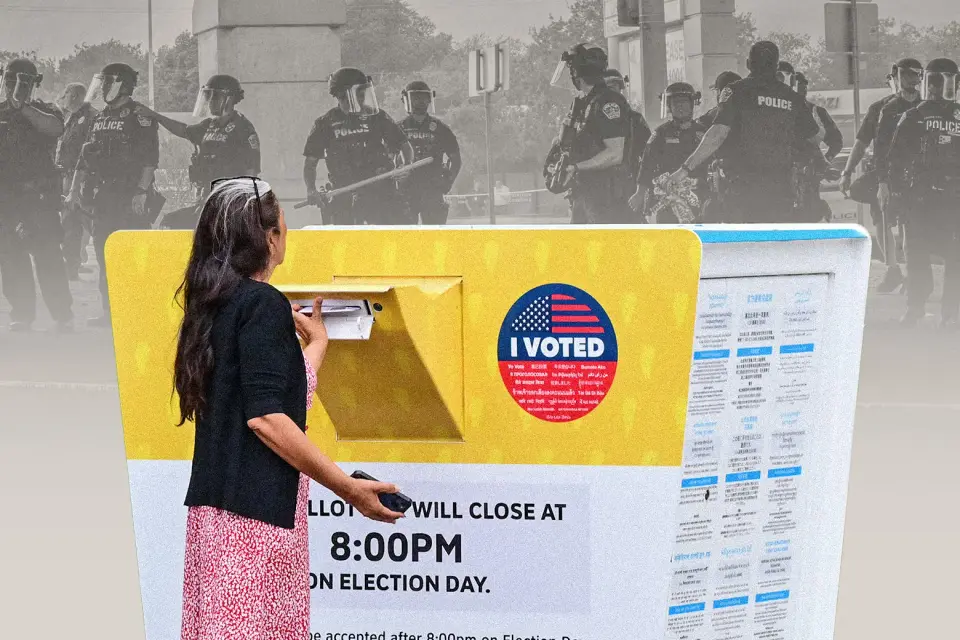
With one month until the November 2026 midterms, legal and political guardrails have blocked most federal attempts to subvert the election. Courts have halted USPS mail-ballot rules and DOJ voter-roll lawsuits, while state officials have rejected unfounded claims of noncitizen voting. However, concerns remain over potential ballot seizures, voter confidence erosion, and foreign interference, as federal election security infrastructure has been weakened.
Key points
- Federal courts have blocked the USPS from imposing nationwide mail-ballot shutdowns and the DOJ from obtaining unredacted voter data from 30 states and D.C.
- The Department of Homeland Security’s claim of 16,000 potentially ineligible Nevada voters was disproven after state investigation, resulting in zero confirmed cases.
- The SAVE America Act, a priority for the administration, was blocked by the Senate after lobbying by voting rights groups.
- The California Supreme Court ruled that a sheriff’s seizure of past ballots violated state law, prompting legal experts to warn judges against approving future ballot seizures.
- A UC San Diego survey found fewer than half of voters expect free and fair midterms, indicating a significant drop in 'loser’s consent' and democratic stability.
Background
This follows a year of escalating federal interference attempts, including the seizure of Georgia ballots and Puerto Rico voting machines. Earlier in 2026, the GOP held a Trump-centric convention in Dallas to nationalize the race, despite concerns over low approval ratings and alienation of swing voters. The current legal battles represent the final phase of these efforts before the November 3 election.
How outlets are covering it
Slate’s Richard Hasen emphasizes that while concrete interference attempts have failed, the erosion of voter confidence is a lasting damage that will require long-term repair. The Atlantic’s Paul Rosenzweig frames the administration’s actions as a fundamental breach of executive neutrality, citing the use of taxpayer-funded propaganda and threats to FEMA funds to favor Republicans. The Washington Post highlights a different angle: the administration’s slashing of federal election security infrastructure has complicated the response to foreign interference from Russia and other adversaries, creating a dual threat from domestic and external actors. CNN’s coverage, while largely obscured by technical data, suggests a focus on the administration’s use of public resources for partisan gain, aligning with the Atlantic’s critique of impartiality.
Why it matters
The outcome of these legal and political battles will determine whether the 2026 midterms are perceived as legitimate by the American public. If voter confidence continues to erode, it could undermine the 'loser’s consent' essential for democratic stability, potentially leading to prolonged disputes over results and a weakened transition of power in Congress.
What to watch
In the final weeks before the election, attention will turn to potential attempts to seize live election materials, which legal experts warn could break the chain of custody. Voters are advised to vote early to mitigate risks of polling-place disruptions. After the election, the focus will shift to the peaceful transition of power in the House, where any attempt by Speaker Mike Johnson to block the seating of victorious Democrats could trigger massive public protests and criminal charges. Long-term efforts will be needed to restore voter confidence and rebuild federal election security infrastructure.
- How Trump Can—and Cannot—Still Mess With the Midterms Slate
- Trump is clearly trying to buy votes with taxpayer money CNN
- Using the Power of the Government to Win Elections The Atlantic
- With threats to midterms, states say Trump administration isn’t helping The Washington Post
- Trump takes extraordinary steps to target midterms, alarming critics USA Today
Want the full story? Read the original reporting
Read on Slate