
Supreme Court arguments leave climate liability case unresolved
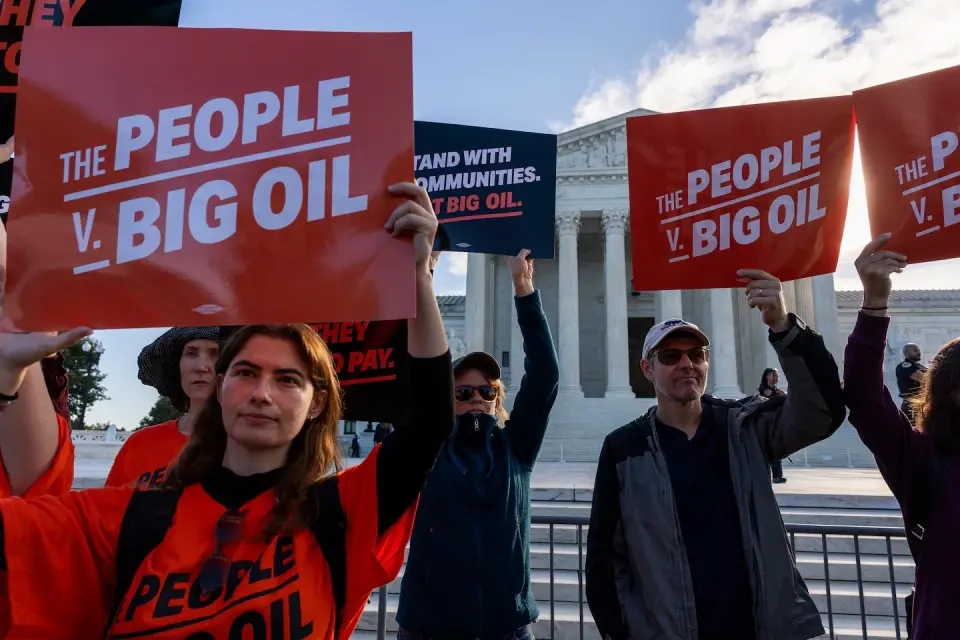
The U.S. Supreme Court heard oral arguments on October 5 regarding a lawsuit by Boulder, Colorado, against ExxonMobil and Suncor Energy for climate-related damages. The eight-justice panel, missing Samuel Alito due to a recusal, showed no clear consensus, leaving the future of similar state lawsuits uncertain.
Key points
- The case tests whether federal law preempts state lawsuits holding oil companies liable for climate impacts.
- Justice Alito recused himself, creating a risk of a 4-4 split that would leave lower court rulings intact.
- Justices debated whether the Clean Air Act or constitutional principles bar state-level climate litigation.
- A decision is expected by June or July 2027, potentially affecting dozens of similar cases nationwide.
Background
This case follows a 2011 Supreme Court ruling that barred certain climate claims in federal court. Recent federal rollbacks of environmental regulations have pushed local governments to pursue state-level litigation. The current term also includes major cases on gun control and immigration.
How outlets are covering it
The Washington Post notes the justices were divided, with some questioning the scope of the lawsuit. NBC News highlights Justice Kavanaugh’s strong support for the oil companies, citing federal preemption, while Justice Kagan compared the case to tobacco litigation. The Post emphasizes the potential for a 4-4 split, whereas NBC focuses on the broader implications for state sovereignty and federal authority.
Why it matters
The ruling will determine whether cities and states can sue major oil companies for climate damages, potentially exposing the energy sector to billions in liabilities or blocking a new wave of climate litigation.
What to watch
The Supreme Court is expected to issue a decision by June or July 2027. A 4-4 split would leave the lower court’s ruling in place, allowing the Boulder case to proceed without setting a national precedent.
- Supreme Court grapples with case on holding Big Oil liable for climate change The Washington Post
- New Supreme Court term begins with justices stumped by climate change case NBC News
- Opinion | This Supreme Court case is much bigger than oil and gas The Washington Post
- Opinion | Boulder County Wants to Smash ‘Abundance’ WSJ
- Supreme Court hears climate case that could shape lawsuits nationwide Yahoo
Want the full story? Read the original reporting
Read on The Washington Post