
Trump’s Midterm Strategy: Body Checks, Bigotry, and Economic Denial
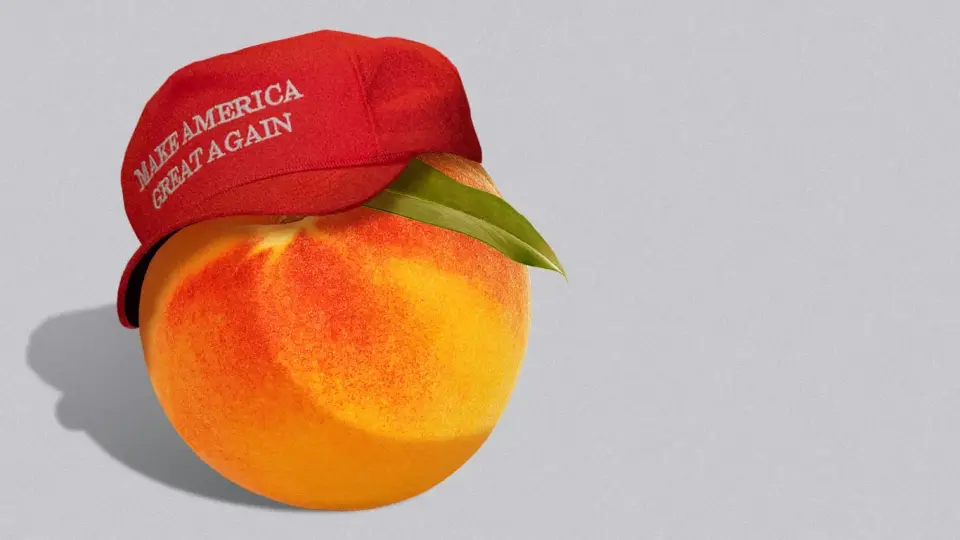
President Trump is pivoting his final campaign push away from substantive policy issues, focusing instead on physical compliments to male allies and aggressive attacks on Democratic opponents. While Republicans face polling deficits regarding the Iran war and high gas prices, Trump claims his objectifying remarks have boosted support for vulnerable Ohio Senator Jon Husted. Critics argue this bizarre closing argument highlights a disconnect from voter concerns, while supporters remain loyal to his unfiltered style.
Key points
- Trump has adopted a strategy of physically appraising male Republican candidates, notably Ohio Senator Jon Husted, during recent rallies.
- Husted is viewed as the most vulnerable GOP incumbent, currently polling narrowly behind or tied with Democrat Sherrod Brown.
- Trump claims his comments about Husted’s physique helped the senator gain 12 points in support, though this is disputed by broader polling trends.
- The campaign has also included Islamophobic remarks against Democratic candidate Abdul El-Sayed and racist comments about Somali Americans.
- Republicans are facing criticism for ignoring key voter concerns like the Iran war, energy prices, and data center costs in favor of this new messaging.
Background
This shift in strategy occurs as the 2026 midterm elections approach, with Democrats showing competitive leads in several key states, including Texas, according to recent polls. The current campaign environment is marked by a stark contrast between Trump’s aggressive, personal attacks and the more traditional policy-focused messaging of his opponents, such as former President Barack Obama, who has returned to the campaign trail to criticize the current administration.
How outlets are covering it
Axios highlights the specific, cheeky nature of Trump’s comments, focusing on the physical descriptions of Husted and other candidates like Tim Sheehy and Mike Collins. The Atlantic frames this as a bizarre and self-defeating closing argument that ignores the affordability crisis and other major issues, comparing it unfavorably to past failed midterm strategies. The Guardian emphasizes the darker, bigoted tone of the rallies, noting Trump’s Islamophobic attacks on Abdul El-Sayed and his racist remarks about Somali Americans, while also mentioning the objectification of female figures like Nicki Minaj. NBC News notes the darker tone of the final campaign swing, characterized by profanity and slurs, though specific details are limited in the provided text.
Why it matters
This strategy signals a potential disconnect between the Republican messaging and the economic and security concerns of the general electorate. If the focus on physical appearance and personal attacks fails to counter the polling deficits on issues like the Iran war and gas prices, it could impact the outcome of key Senate races, particularly in swing states like Ohio and Georgia.
What to watch
The next few weeks will likely see continued rallies where Trump may further emphasize these themes, potentially including similar comments about other vulnerable candidates like Ken Paxton in Texas. The impact of these remarks on voter sentiment will be measured in the final polling data and the results of the midterm elections.
- GOP's closing argument gets cheeky Axios
- Trump Is Closing From Behind The Atlantic
- ‘A pile of muscle’: Trump closes midterm pitch with surreal messaging Financial Times
- Trump’s final campaign swing is taking on a darker tone NBC News
- The bottomless depths of Donald Trump’s midterm rally bigotry The Guardian
Want the full story? Read the original reporting
Read on Axios