
Trump’s Russia Sanctions Waiver Sparks Bipartisan Backlash
President Donald Trump signed an executive order on Friday, October 19, waiving new tariffs and sanctions on Russia just two days before they were scheduled to take effect. The move suspends tariffs of up to 500% on US imports from Russia and 100% on major oil and gas importers, a provision included in the Lindsey Graham Sanctions Act signed into law in September. While the White House argues the pause allows time to negotiate a peace deal, multiple Republicans and analysts have criticized the decision as a capitulation to Moscow that undermines economic pressure on Russia’s war effort. The waiver has intensified tensions within the GOP ahead of the November midterms, with several candidates and senators publicly opposing the move to protect their political standing.
Key points
- Trump signed an executive order on October 19, 2026, waiving Russia-related sanctions and tariffs two days before their scheduled implementation.
- The waived measures include tariffs of up to 500% on US imports from Russia and 100% on the top five importers of Russian oil and natural gas.
- The sanctions were part of the Lindsey Graham Sanctions Act, which Trump signed into law in September 2026.
- White House spokeswoman Taylor Rogers stated that enforcing the sanctions now would impede ongoing US efforts to negotiate a durable peace agreement between Ukraine and Russia.
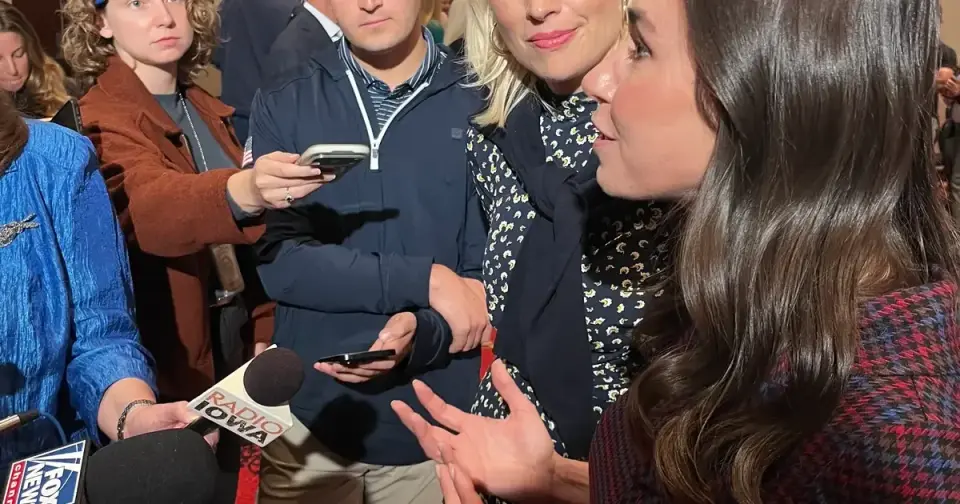
- Sen. Katie Britt and Senate candidate Ashley Hinson publicly criticized the waiver, arguing that economic pressure is necessary to force Russia to the negotiating table.
- Sen. Thom Tillis called the move 'beyond irresponsible' and accused Trump of capitulating to a Russian dictator.
Background
This development follows a series of recent Republican defections from Trump’s policies ahead of the November 2026 midterms. In October 2026, several GOP candidates in swing districts had already distanced themselves from unpopular initiatives, including the Iran conflict and data center regulations, to protect their seats. Earlier in September, two moderate Democrats had broken ranks to help Republicans advance the Russia sanctions bill, highlighting bipartisan support for the measure. In late October, former Trump ally Andrew C. McCarthy had accused the president of treason for previous concessions to Putin, including an 'energy ceasefire' and the lifting of diesel sanctions, which critics argued undermined Western unity. The current waiver is part of a broader pattern of Trump pausing or delaying sanctions, including his decision to exclude Russia from sweeping tariffs in April 2025.
How outlets are covering it
Semafor highlights the growing chorus of Republicans, including Sen. Katie Britt and Senate candidate Ashley Hinson, who argue that economic pressure is essential to forcing Russia to the negotiating table, with Britt stating that Russia is at its 'darkest point' in the war. CNN emphasizes the bipartisan uproar, noting that the waiver contradicts Trump’s self-proclaimed identity as 'Tariff Man' and that the move was met with praise from Russian officials. CNN also cites analyst Ed Mills, who criticized the timing of the announcement as a 'Friday news dump' designed to avoid political scrutiny, and Secretary of State Marco Rubio, who defended the pause as a necessary period to analyze global economic impacts. The sources differ in emphasis: Semafor focuses on the political dissent within the GOP, while CNN highlights the broader economic and diplomatic implications, including the reaction from Russia and the potential impact on oil markets.
Why it matters
The waiver of Russia sanctions marks a significant shift in US policy toward Moscow, potentially weakening economic leverage in the ongoing Ukraine-Russia conflict. The decision has sparked internal divisions within the Republican Party, with several candidates and senators opposing the move to protect their political standing ahead of the November midterms. The pause in sanctions may also affect global energy markets, as it could facilitate easier sales of Russian oil to countries like China, India, and Turkey. Additionally, the move has raised questions about the administration’s commitment to supporting Ukraine and maintaining Western unity, with critics arguing that it emboldens Moscow and undermines the credibility of US sanctions as a tool for geopolitical pressure.
What to watch
Hinson plans to campaign with Trump on Thursday and may raise the topic of Russia sanctions during the event. The White House has stated that the president retains the ability to exercise the sanctions authorities at any time if he determines that doing so would advance national interests. The 60-day pause provides a window for the administration to analyze the global economic impact of the sanctions, including effects on countries like India. The outcome of the November midterms will likely be influenced by the level of Republican dissent over the waiver, as candidates in swing districts continue to distance themselves from unpopular policies to protect their seats.
- More Republicans break with Trump on Russia sanctions Semafor
- ‘Tariff Man’ finally found tariffs he doesn’t like CNN
- Opinion | To Russia With Love, Signed Donald WSJ
- Trump faces bipartisan backlash over waiving Russia sanctions CBS News
- Trump's Russia sanctions waiver eases India's energy woes, lifts trade deal chances Reuters
Want the full story? Read the original reporting
Read on Semafor