
Zelensky Confirms Resumed US Intel Sharing After Oslo Talks, as Witkoff Heads to Moscow
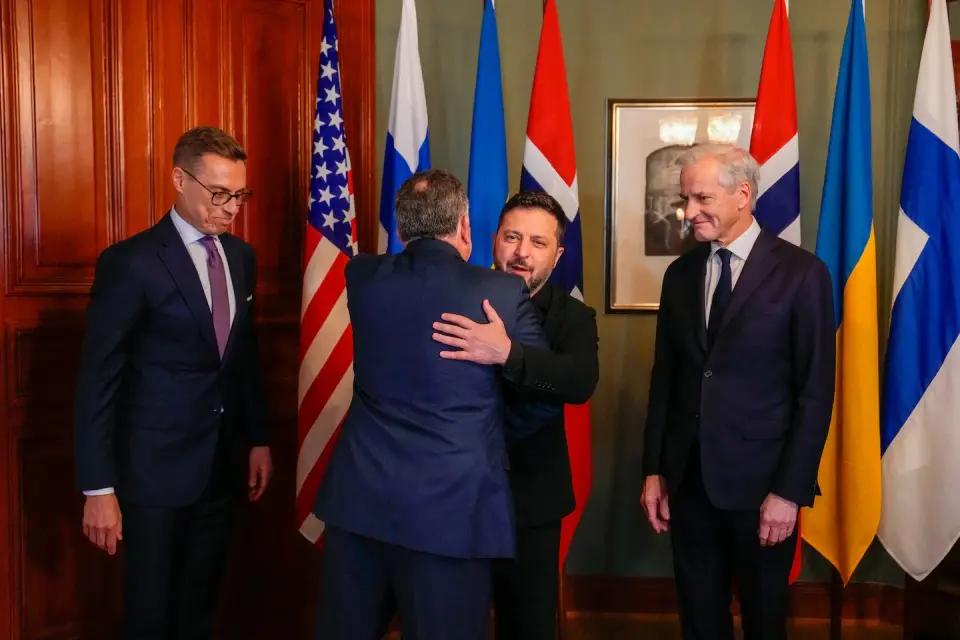
U.S. intelligence sharing with Ukraine has resumed following a meeting in Oslo, according to President Volodymyr Zelensky. The restoration of early warning systems for ballistic missile attacks comes after a brief suspension that sparked diplomatic tension. U.S. envoy Steve Witkoff is now traveling to Russia to push for three-way peace talks, while European leaders emphasize the need for continued support and inclusion in negotiations.
Key points
- Zelensky confirmed that U.S. intelligence sharing regarding Russian ballistic missile strikes has resumed, restoring early warning capabilities for civilians.
- The restoration followed a meeting in Oslo between Zelensky, U.S. envoy Steve Witkoff, and European leaders, including Finnish President Alexander Stubb and Norwegian PM Jonas Gahr Støre.
- Witkoff is traveling to Russia on Wednesday to urge President Vladimir Putin to engage in three-way talks, a move Zelensky opposes unless Ukraine is included at the table.
- The U.S. has blocked the delivery of Patriot missile interceptors to Ukraine, citing global shortages, while also restricting Starshield satellite services, which has hampered Ukrainian drone operations.
- European leaders, including EU foreign policy chief Kaja Kallas, have questioned the neutrality of U.S. negotiators, arguing that Washington has favored Russian demands in peace efforts.
Background
This development follows a sharp deterioration in U.S.-Ukraine relations over the past two weeks. In mid-October, Zelensky accused the U.S. of withholding missile warnings, leading to civilian casualties in Kyiv. U.S. officials, including Secretary of State Marco Rubio, initially denied pausing intelligence sharing, attributing issues to technical 'software problems.' However, Zelensky confirmed on October 18 that data flows had resumed after a brief suspension. The current Oslo talks represent a significant diplomatic effort to stabilize these relations amidst ongoing disputes over energy ceasefires and defense aid.
How outlets are covering it
The Washington Post highlights the restoration of intelligence sharing as a key outcome of the Oslo meeting, emphasizing Zelensky’s gratitude for the early warning systems. The Guardian provides a broader context, noting that the talks occurred amid the worst crisis in U.S.-Ukraine relations since the invasion began, with Trump publicly criticizing Zelensky and favoring Russian demands. The BBC focuses on the diplomatic dynamics, highlighting European leaders’ insistence on being included in peace talks and their concern over U.S. negotiators’ neutrality. All sources agree that while intelligence sharing has resumed, significant defense gaps, such as the lack of Patriot interceptors and restricted satellite access, remain unresolved.
Why it matters
The resumption of intelligence sharing is critical for protecting Ukrainian civilians from Russian missile strikes, but it does not resolve the broader strategic tensions. The U.S. decision to block Patriot interceptors and restrict satellite services has left Ukraine vulnerable, while Trump’s push for three-way talks excluding Ukraine risks undermining Kyiv’s sovereignty. European leaders are increasingly concerned that U.S. negotiators are not acting as neutral brokers, potentially favoring Russian maximalist demands. This situation highlights the fragility of the U.S.-Ukraine alliance and the challenges in achieving a lasting peace.
What to watch
U.S. envoy Steve Witkoff is set to meet with Russian President Vladimir Putin on Wednesday to push for three-way peace talks. European leaders, including Finnish President Alexander Stubb and Norwegian PM Jonas Gahr Støre, will continue to advocate for Ukraine’s inclusion in negotiations. The U.S. and Ukraine will likely continue to negotiate over defense aid, including the delivery of Patriot interceptors and the restoration of Starshield satellite services. The outcome of these talks will be crucial in determining the future of the U.S.-Ukraine alliance and the trajectory of the war.
- U.S. restores intelligence sharing with Ukraine, Zelensky says The Washington Post
- US has resumed sharing intelligence with Ukraine about Russian strikes, says Zelenskyy The Guardian
- Rubio: Ukrainians have been doing "extraordinary things", but without US aid, Ukraine would not exist Yahoo
- Zelenskyy says early warning system for Russian missile attacks resumes following call with Rubio AP News
- Zelensky says intelligence sharing on Russian strikes 'works now' and Ukraine 'thankful' to US BBC
Want the full story? Read the original reporting
Read on The Washington Post