
Trump’s Sanctions Waiver for Russia Draws Sharp Criticism as Ukraine War Strategy Fails
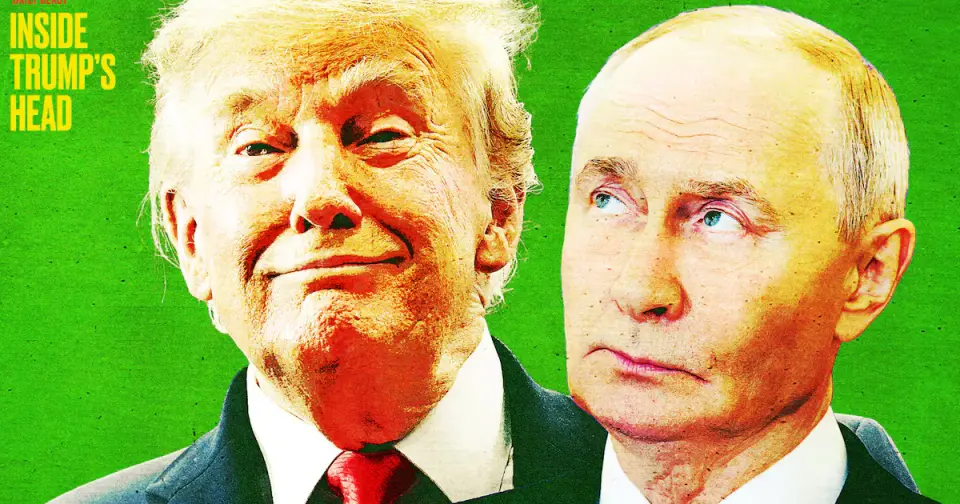
President Donald Trump has waived congressionally approved sanctions against Russian oil companies and agreed to import Russian diesel, a move critics say rewards Vladimir Putin’s aggression while failing to end the war in Ukraine. Biographer Michael Wolff argues Trump’s actions are driven by a desire for personal financial enrichment, while analysts note that economic incentives have not persuaded Putin to negotiate peace. The strategy has deepened tensions with Ukraine and European allies, as U.S. support for Kyiv’s defense systems has been restricted.
Key points
- Trump waived sanctions against Russian oil companies and agreed to import 300,000 metric tons of Russian diesel, with further shipments planned for November.
- Michael Wolff claims Trump aims to accumulate $20 billion before leaving office, viewing Putin as a model for unregulated wealth accumulation.
- The Atlantic argues that Trump’s transactional approach has failed because Putin prioritizes ideological and nationalist goals over economic incentives.
- Ukraine’s access to Starshield satellite communications was restricted, leading to degraded frontline communications and subsequent Russian missile strikes.
- U.S. envoy Steve Witkoff met with Putin in St. Petersburg but secured no concessions for a ceasefire, as Putin rejected a truce with Kyiv.
Background
This development follows earlier reports in October 2026 that Trump prioritizes personal enrichment over policy in his final term and has used flattery and sanctions waivers to encourage Putin to negotiate. Recent coverage also highlighted internal administration turmoil, including potential changes to the White House chief of staff, and Witkoff’s failed diplomatic efforts in St. Petersburg.
How outlets are covering it
The Daily Beast and The Guardian emphasize Trump’s personal financial motives, with Wolff citing insider claims that Trump seeks to become an oligarch. The Atlantic and CNN focus on the strategic failure of economic incentives, noting that Putin’s nationalist and ideological goals outweigh transactional offers. The Guardian further highlights the geopolitical consequences, including the restriction of Starshield and the potential for a new axis between Russia and the U.S. against European allies.
Why it matters
Trump’s concessions to Russia risk undermining U.S. alliances with Europe and Ukraine, while failing to achieve peace. The strategy may embolden Russian aggression, destabilize global energy markets, and erode trust in U.S. diplomatic commitments, with significant implications for the November midterm elections and long-term foreign policy.
What to watch
Watch for further developments in U.S.-Russia energy deals, potential congressional backlash over sanctions waivers, and any shifts in Ukraine’s military capabilities due to restricted satellite access. Monitor diplomatic efforts involving Jared Kushner and Steve Witkoff, as well as reactions from European allies and Ukrainian President Volodymyr Zelensky.
- This Is the Sordid Reason Trump Bows to Putin: Author Michael Wolff The Daily Beast
- Putin Nears a Prize: Restoring Ties With the U.S. While Giving Up Nothing The New York Times
- Why Trump Can’t Sell Putin a Deal The Atlantic
- Where Trump sees a deal, Putin sees a win for Russia CNN
- The Trump-Putin love story’s next chapter: selling out Ukraine | Sidney Blumenthal The Guardian
Want the full story? Read the original reporting
Read on The Daily Beast