
25 Years After 9/11: Intelligence Agencies Face New Strategic Blind Spots
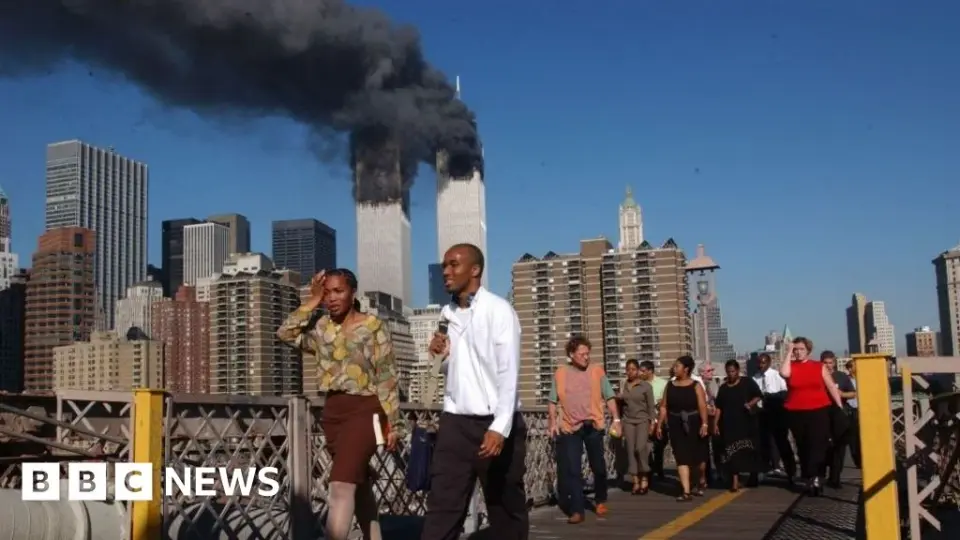
Twenty-five years after the September 11 attacks, Western intelligence agencies have improved information sharing but face new challenges from strategic miscalculations and shifting threats. While the US and UK have reorganized their systems to prevent silos, experts warn that complacency, budget cuts, and political interference are eroding counter-terrorism capabilities. The focus has shifted from non-state terrorism to state actors like China and Russia, raising concerns about whether the West is adequately prepared for future strategic failures.
Key points
- The 9/11 attacks resulted in 2,977 deaths and exposed a failure of imagination in US intelligence, leading to the creation of the National Counter Terrorism Center and the Director of National Intelligence.
- Information sharing between Western agencies, such as MI5, MI6, and the FBI, has improved significantly through fusion centers and the Five Eyes alliance.
- The 2003 Iraq invasion was based on flawed intelligence regarding Weapons of Mass Destruction, leading to a revamp of how MI6 assesses raw intelligence.
- The US and UK have faced recent failures, including the 2005 London bombings and the 2017 Manchester Arena bombing, highlighting ongoing challenges in prioritizing threats.
- The focus has shifted from counter-terrorism to strategic competition with China and Russia, with concerns that the West is distracted and misinterpreting the nature of these threats.
- The Trump administration's counter-terrorism strategy has been criticized for downplaying right-wing extremism and diverting resources to drug cartels, leading to a 'basket of factors' including funding and personnel issues.
Background
The 9/11 attacks in 2001 marked a turning point in global security, leading to the 'War on Terror' and significant changes in intelligence and counter-terrorism policies. The attacks exposed a failure of imagination in the US intelligence community, where the CIA and FBI failed to share critical information. In the 25 years since, Western nations have reorganized their intelligence agencies to improve information sharing and prevent similar failures. However, the focus has shifted from non-state terrorism to strategic competition with state actors like China and Russia, raising concerns about whether the West is adequately prepared for future strategic failures. The archive articles provide background on the ongoing challenges in intelligence and counter-terrorism, highlighting the need for continuous adaptation and learning.
How outlets are covering it
The BBC emphasizes the long-term impact of 9/11 on intelligence and counter-terrorism policies, noting both successes and failures in the 25 years since the attacks. The New York Times, through an opinion piece by David French, argues that the 'War on Terror' did not fail, suggesting that the focus on counter-terrorism was necessary and effective. The Guardian, on the other hand, highlights the growing challenges in countering international terrorism, with experts warning of 'institutional neglect' and the erosion of counter-terrorism efforts due to budget cuts and political interference. The BBC and The Guardian both note the shift in focus from non-state terrorism to state actors, while The New York Times emphasizes the necessity of the counter-terrorism efforts. The BBC and The Guardian also highlight the human rights abuses that have occurred in the post-9/11 era, while The New York Times focuses on the strategic and political aspects of the 'War on Terror'.
Why it matters
The 9/11 attacks and the subsequent 'War on Terror' have had a profound impact on global security and intelligence policies. The lessons learned from 9/11 have led to significant changes in how Western nations approach counter-terrorism and intelligence gathering. However, the shifting focus from non-state terrorism to strategic competition with state actors like China and Russia raises concerns about whether the West is adequately prepared for future strategic failures. The ongoing challenges in counter-terrorism, including budget cuts and political interference, highlight the need for continuous adaptation and learning. The human rights abuses that have occurred in the post-9/11 era also raise important questions about the balance between security and civil liberties. Understanding these dynamics is crucial for assessing the future of global security and the effectiveness of counter-terrorism efforts.
What to watch
The future of counter-terrorism and intelligence will likely be shaped by the ongoing shift in focus from non-state terrorism to strategic competition with state actors like China and Russia. The US and UK will need to adapt their intelligence and counter-terrorism strategies to address these new threats, while also addressing the ongoing challenges of budget cuts and political interference. The human rights abuses that have occurred in the post-9/11 era will continue to be a point of contention, with calls for greater accountability and transparency. The ongoing debates about the effectiveness of the 'War on Terror' and the need for a new approach to counter-terrorism will likely continue to shape the future of global security.
- Spies, strategies and missed opportunities: How the lessons of 9/11 are still being learnt BBC
- We Are Still Living in the Broken World Sept. 11 Created Bloomberg.com
- Opinion | The War on Terror Did Not Fail The New York Times
- ‘Institutional neglect’: 25 years on from 9/11, experts sound alarm over US counter-terror efforts The Guardian
- 9/11 was the beginning of the end of American democracy The Hill
Want the full story? Read the original reporting
Read on BBC