
25 Years After 9/11: How the Post-Attack Wars Reshaped American Veterans and Policymakers
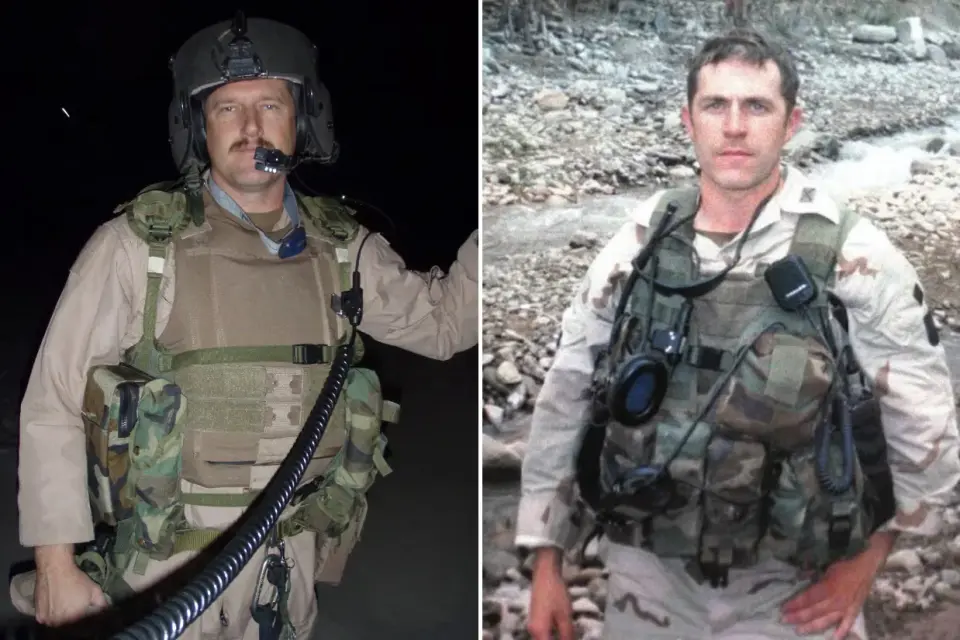
Marking the 25th anniversary of the September 11 attacks, U.S. veterans and lawmakers reflect on the subsequent wars in Iraq and Afghanistan. While all agree the initial response to 9/11 was necessary, perspectives diverge sharply on the Iraq invasion and the 2021 Afghanistan withdrawal. Some view the conflicts as unjustified or poorly executed, while others defend the sacrifices made, urging the nation to honor service members despite policy failures.
Key points
- Rep. Jason Crow (D-CO) and Rep. Troy Downing (R-MT) both enlisted shortly after 9/11 but developed opposing views on the Iraq War and the Afghanistan withdrawal.
- Veteran John Byrnes argues the Afghanistan campaign was necessary, while the Iraq invasion was not, describing the latter as an 'avalanche' of poor decisions.
- Marine Daniel Socci highlights the 'Awakening' movement in Iraq, where Sunni tribes fought alongside U.S. troops against Al Qaeda, marking a shift in the conflict.
- Psychiatrist Michael McBride questions if the wars' causes were worth the human cost, noting that suicide rates among soldiers exceeded combat deaths by 2010.
- Brett Eagleson, whose father died in the World Trade Center, is part of a legal battle seeking documents on Saudi ties to the 9/11 attacks.
Background
The 25th anniversary of the September 11, 2001 attacks prompts a national reckoning with the two-decade 'War on Terror.' Over 2 million service members served in the conflicts that followed, with more than 7,000 deaths and 53,000 wounded. This anniversary highlights the long-term psychological and political impacts of these wars on American society and foreign policy.
How outlets are covering it
The Washington Post contrasts Rep. Jason Crow and Rep. Troy Downing, noting Crow’s anger at the Iraq invasion’s false premises versus Downing’s defense of U.S. actions. Fox News features John Byrnes, who agrees the Afghanistan war was necessary but calls the Iraq invasion unnecessary, while also highlighting the personal toll on veterans like Chris Hoff. MS NOW focuses on individual narratives, such as Daniel Socci’s experience with the 'Awakening' in Iraq and Brett Eagleson’s legal fight for 9/11 truth. The Milwaukee Journal Sentinel presents a critical view through psychiatrist Michael McBride, who questions if the wars' causes justified the immense cost to service members, noting the rise in suicide rates.
Why it matters
These reflections underscore the enduring political and social divisions in the U.S. regarding the post-9/11 wars. The debate over the justification of the Iraq invasion and the handling of the Afghanistan withdrawal continues to influence current foreign policy discussions and veteran support policies. Understanding these divergent views is crucial for assessing the long-term legacy of the 'War on Terror' and its impact on American democracy and military ethics.
What to watch
As the 25th anniversary passes, attention will shift to ongoing legal battles regarding 9/11 accountability, such as the Eagleson case against Saudi Arabia. Policymakers will likely face renewed scrutiny over veteran healthcare and mental health resources, given the high rates of PTSD and suicide among post-9/11 veterans. The debate over the legacy of the Iraq and Afghanistan wars will continue to shape U.S. foreign policy and defense strategies in the coming years.
- These congressmen went to war after 9/11. It changed them in different ways. The Washington Post
- 9/11 Led Them to Enlist. Here’s What They’re Saying Now. The New York Times
- 9/11 sent them to war. 25 years later, veterans grapple with what followed Fox News
- A Marine and a CIA operative on their lives in the wars after 9/11 MS NOW
- I volunteered after 9/11. Veterans deserve an answer. I Opinion Milwaukee Journal Sentinel
Want the full story? Read the original reporting
Read on The Washington Post