
US clocks fall back Nov. 1 as permanent daylight saving time bill stalls in Senate
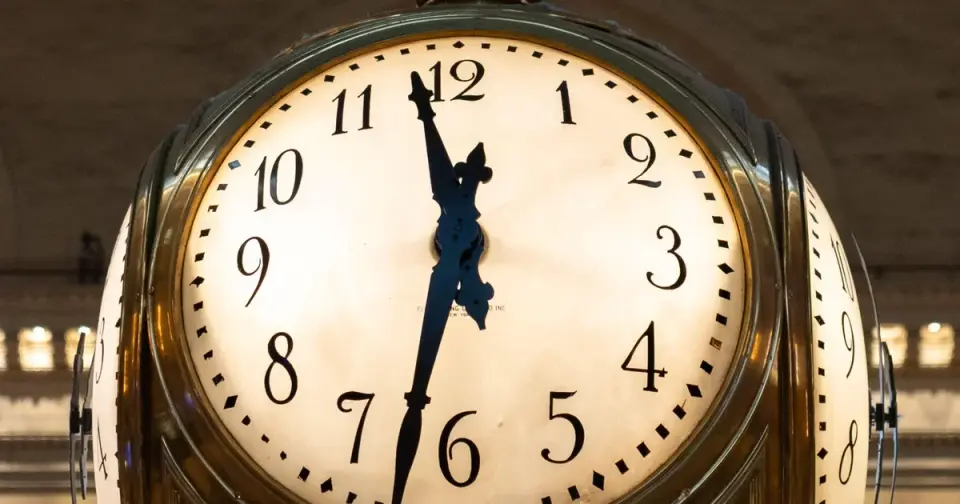
Daylight saving time ends at 2 a.m. on Nov. 1, 2026, as most Americans gain an hour of sleep. The Sunshine Protection Act, which would make the time change permanent, passed the House in July but remains stalled in the Senate. If the bill fails to pass before the 119th Congress ends in January, the effort must restart in the new Congress.
Key points
- Daylight saving time ends at 2 a.m. local time on Sunday, Nov. 1, 2026.
- Most Americans will gain an hour of sleep, but sunsets will occur earlier.
- The Sunshine Protection Act passed the House in July but is stalled in the Senate.
- The bill would expire in early January if not passed before the new Congress takes office.
- Hawaii and most of Arizona do not observe daylight saving time.
Background
The U.S. has observed daylight saving time since 1918, with the current schedule established in 2007. Previous attempts to make the time change permanent, including during World War II and the 1970s energy crisis, were reversed due to public backlash over late sunrises. The Sunshine Protection Act has been introduced multiple times, with the Senate passing a version in 2022, but it has not advanced in the House until this year.
How outlets are covering it
CBS News and NBC News focus on the practical details of the time change, including the specific date and time, and the historical context of daylight saving time. NBC News also notes that health and sleep experts oppose permanent daylight saving time, citing risks to health and safety. The Washington Post opinion piece by Leana S. Wen argues that daylight saving time should be eliminated entirely, rather than made permanent, due to its negative impact on health. Trump supports the Sunshine Protection Act, arguing that permanent daylight saving time would reduce crime and stress, while Sen. Tom Cotton opposes it, citing past failures of permanent daylight saving time.
Why it matters
The time change affects millions of Americans, impacting sleep schedules, safety, and daily routines. The potential for permanent daylight saving time could have long-term effects on public health, energy consumption, and economic activity. The outcome of the Sunshine Protection Act will determine whether the U.S. continues its twice-yearly time change or adopts a new standard.
What to watch
The Senate must act on the Sunshine Protection Act before the 119th Congress ends in early January 2027. If the bill fails, the effort to change daylight saving time will have to restart in the new Congress. The next time change is scheduled for March 14, 2027.
- Daylight saving time 2026 ends tonight. Here's what time the clocks change and more key details. CBS News
- Daylight saving time ends Sunday. Here’s what to know as clocks ‘fall back.’ NBC News
- Opinion | Why daylight saving time should be eliminated entirely The Washington Post
- How the time-change debate impacts sunrise and sunset across the country cbs8.com
- Should we keep changing our clocks? Tell us what you think of daylight saving time San Francisco Chronicle
Want the full story? Read the original reporting
Read on CBS News