
US Congress sends 19-member delegation to COP31 despite Trump’s withdrawal, signaling post-midterm climate pivot
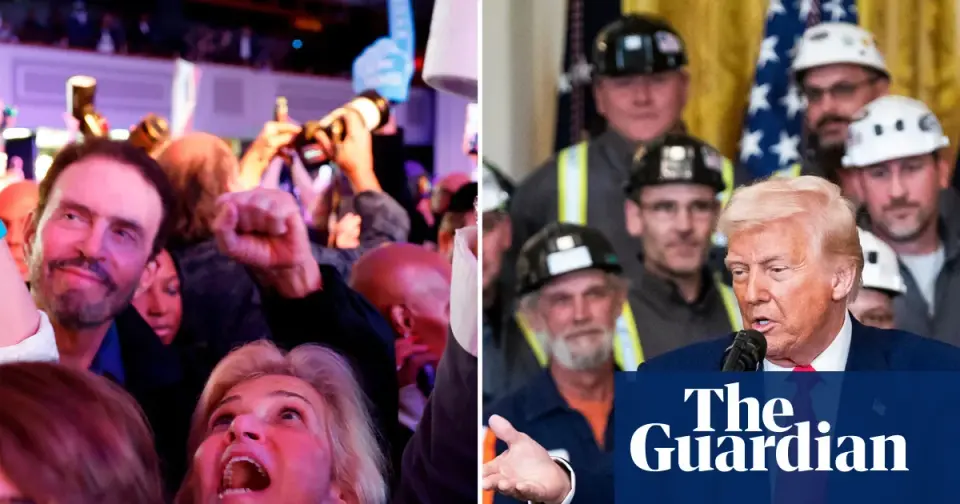
The United States government is absent from the COP31 climate summit in Antalya, Turkey, as President Donald Trump has withdrawn the nation from the UN climate framework. However, a 19-member congressional delegation, composed entirely of Democrats, is attending the talks following their landslide victory in the November 2026 midterms. While the administration refuses to participate, citing climate policies as a 'hoax,' the new Democratic majority in Congress aims to mitigate damage and signal a return to international cooperation. The summit occurs as global temperatures approach the 1.5C threshold, with the US identified as a major outlier in rising emissions. Delegates plan to use the forum to build diplomatic bridges, though they acknowledge the US has been an unreliable partner. The midterms have boosted international confidence that the US may re-engage with climate action in the coming years, despite Trump’s veto power and ongoing obstruction.
Key points
- The US government has no official presence at COP31 in Antalya, Turkey, for the second consecutive year, as Trump has derided climate change as a 'hoax' and withdrawn from the UN framework.
- A 19-member congressional delegation, all Democrats, is attending the summit after winning control of both the House and Senate in the November 2026 midterms.
- The delegation was denied standard State Department assistance, requiring them to rely on philanthropic funding for travel, according to Representative Sean Casten.
- A UN report found the US emitted an additional 133 million tons of greenhouse gases last year, making it a 'major exception' among major economies that reduced or slowed emissions.
- Democrats plan to use oversight powers to probe the EPA and reverse funding cuts to environmental programs, though sweeping legislation is unlikely due to Trump’s veto power.
- International observers, including Mohamed Adow of Power Shift Africa, described the midterms as the 'beginning of the end of the Trump era' for climate policy, boosting global confidence in renewed US engagement.
Background
COP31 is the 31st UN Climate Conference, held in Antalya, Turkey, from November 9 to 20, 2026. The summit focuses on implementing existing pledges rather than new agreements, amid a global crisis where warming is projected to breach the 1.5C threshold. The US absence creates a leadership vacuum, as the country is the world’s largest historical emitter. Previous archive coverage noted that the 2026 midterms resulted in a historic Democratic landslide, regaining control of both chambers of Congress and winning governorships in traditionally Republican states like Texas and Kansas. This shift marks a repudiation of Trump’s administration, which faced criticism over high gas prices and the Iran war. The IPCC also faces a funding crisis and internal gridlock, raising concerns about the scientific guidance available to negotiators.
How outlets are covering it
The Guardian emphasizes the diplomatic snub, noting that the congressional delegation was denied State Department assistance and had to rely on philanthropic funding. It highlights the US as a 'major exception' in rising emissions, with an extra 133 million tons of greenhouse gases last year. NBC News focuses on the broader global context, noting that the world is set to overshoot the 1.5C threshold, and frames the US absence as a significant setback for global climate action. Time Magazine argues that the midterms should not be read as a clear path back to US leadership but rather as a signal that other countries can pursue their own interests without fear of US retaliation. It notes that 57 countries met in Colombia in April to work on fossil fuel transitions, and that the EU, China, and Brazil have formed a new coalition on carbon markets. Euronews describes the delegation’s approach as 'cautious optimism,' with Representative Sean Casten acknowledging the US’s history of unreliability but emphasizing the value of conveying that 'America has spoken.' Euronews also notes that Trump’s tariffs and the Iran war are major drivers of inflation, which may create opportunities for bipartisan climate action. The sources generally agree that the midterms have boosted international confidence, but differ on the immediate impact: The Guardian and Euronews focus on the diplomatic and legislative potential, while Time Magazine emphasizes the broader trend of global cooperation despite US obstruction.
Why it matters
The US absence from COP31 underscores the ongoing obstruction of climate action by the Trump administration, which has withdrawn from the UN framework and derided climate change as a 'hoax.' However, the Democratic victory in the midterms signals a potential shift in US policy, with the new Congress aiming to reverse funding cuts and probe the EPA. The summit occurs as global temperatures approach the 1.5C threshold, with the US identified as a major outlier in rising emissions. The congressional delegation’s attendance, despite the lack of official government support, demonstrates a commitment to maintaining diplomatic continuity and signaling a return to international cooperation. The midterms have boosted international confidence that the US may re-engage with climate action in the coming years, though the immediate impact is limited by Trump’s veto power and ongoing obstruction. The summit also highlights the broader trend of global cooperation, with countries like the EU, China, and Brazil forming new coalitions on carbon markets and fossil fuel transitions.
What to watch
The congressional delegation will meet policymakers, civil society groups, and business leaders at COP31 to 'explore opportunities for renewed US engagement on climate, energy, and economic policy,' according to the Sustainable Energy and Environment Coalition. Democrats in Congress plan to use oversight powers to probe the EPA and reverse funding cuts to environmental programs, though sweeping legislation is unlikely due to Trump’s veto power. The summit will focus on implementing existing pledges, including climate finance for developing nations, the phase-out of fossil fuels, and a proposed target to increase global electrification to 35% by 2035. International observers expect the midterms to boost confidence in US re-engagement, but the immediate impact is limited by the administration’s obstruction. The US is expected to return to the UN climate framework in the coming years, potentially under a new Democratic president, but the timeline remains uncertain. The summit will also address the IPCC funding crisis and internal gridlock, which raise concerns about the scientific guidance available to negotiators.
- Democrats to attend Cop31 climate talks boosted by midterms and eager to make up for Trump-era setbacks The Guardian
- U.S. skips the COP31 climate summit as 1.5C global warming limit slips away NBC News
- The Tide Could Be Turning on Global Climate Cooperation Time Magazine
- 'America has spoken': US lawmakers to attend UN COP31 climate talks Euronews.com
- U.S. Is Absent as United Nations Climate Talks Open in Antalya, Turkey Democracy Now!
Want the full story? Read the original reporting
Read on The Guardian