
Carney Signals Progress on U.S. Trade Deal While Defending Auto Sector and Asian Agreements
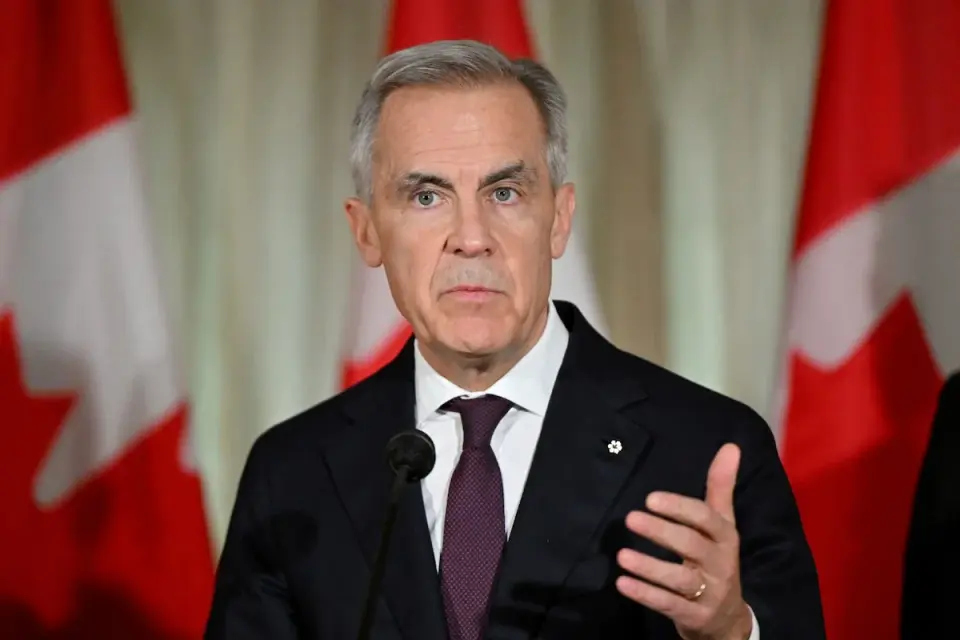
Canadian Prime Minister Mark Carney stated on Saturday that Ottawa and Washington are making progress toward a bilateral trade deal, though a final agreement has not been reached. The comments followed a lengthy call with President Donald Trump, U.S. Trade Representative Jamieson Greer, and White House Chief of Staff Stephen Miller. Carney emphasized that any deal must protect Canada’s automotive sector, which has suffered from 50 percent U.S. tariffs on approximately $20 billion in goods. Simultaneously, Canada announced the conclusion of free-trade negotiations with the Association of Southeast Asian Nations (ASEAN) and the Philippines, aiming to reduce reliance on the U.S. market, which accounts for 72 percent of Canadian exports.
Key points
- Carney confirmed a substantive conversation with Trump and senior U.S. officials, noting that while a bilateral deal is possible, the two nations are not yet there.
- Canada suspended trade talks in August after rejecting U.S. demands, leading to 50 percent tariffs on Canadian goods and retaliatory measures in September.
- Carney stated that Canada will not accept a deal that undermines its auto industry, citing concerns over plant closures and job losses.
- Canada concluded free-trade negotiations with ASEAN, representing nearly 700 million people, and the Philippines, with both agreements expected to be signed in 2027.
- The ASEAN deal is projected to add nearly 2 billion Canadian dollars to the economy and create 14,000 jobs, particularly in agriculture and manufacturing.
Background
Trade tensions escalated in August when negotiations collapsed, prompting U.S. tariffs and Canadian retaliation. Prior to this, Carney and Trump signaled progress in November 2026 ahead of U.S. midterms, with Trump claiming the sides were 'very close.' Canada has also pursued diversification through a record-breaking trade and defense pact with the UAE in October 2026.
How outlets are covering it
The Washington Post and AP News highlight Carney’s progress on the U.S. deal and the new Asian agreements as part of a strategy to reduce reliance on Washington. The Globe and Mail notes a division within Canada’s auto sector: Ford and GM favor a quick tariff deal, while Honda and Toyota oppose locking in uncompetitive rates. Newsweek emphasizes Carney’s red line on auto jobs and the dispute with Stellantis over the sale of its Brampton plant to Roshel, with Ottawa threatening legal action to recover funding. U.S. Treasury Secretary Scott Bessent expressed optimism on a deal but provided no specifics.
Why it matters
The outcome of these negotiations will determine the stability of Canada’s auto industry and its trade relationships. A deal could reduce tariffs on steel, aluminum, and autos, while the new Asian agreements aim to diversify Canada’s export markets and mitigate the impact of U.S. trade policies.
What to watch
Carney will attend the ASEAN summit in Manila, the Francophonie summit in Cambodia, and the Asia-Pacific Economic Cooperation summit in China, where he is scheduled to meet President Xi Jinping. Canada and the U.S. will continue informal talks on technical details, including the definition of U.S. content in vehicles. The ASEAN and Philippines agreements are expected to be signed in 2027, pending ratification.
- Carney says U.S. and Canada ‘making progress’ towards possible trade deal The Washington Post
- Canada’s Carney reports progress in trade talks with Trump as he expands ties with Asia AP News
- Auto sector at odds over approach to tariff negotiations as Ottawa pursues deal with U.S. The Globe and Mail
- Carney Draws Red Line On Trump Trade Deal Over Auto Jobs Newsweek
- Carney says Canada will only sign a U.S. trade deal that includes viable auto sector CBC
Want the full story? Read the original reporting
Read on The Washington Post