
US Intelligence Chief Defends Trump’s ‘Friend’ Label for Putin Amid Global Condemnation
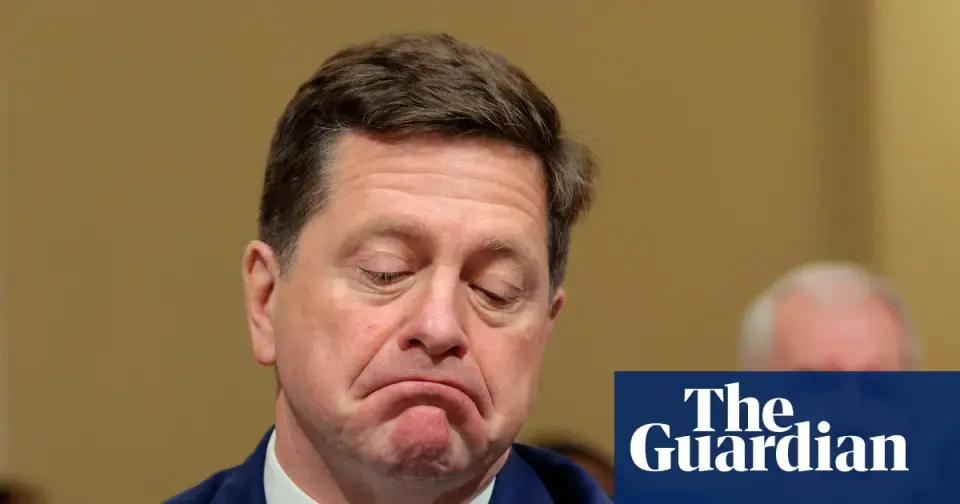
Director of National Intelligence Jay Clayton defended President Donald Trump’s characterization of Vladimir Putin as a 'friend' as appropriate in the context of a historic trilateral nuclear summit. While Clayton personally acknowledged Putin is not a friend to the US regarding Ukraine, he praised the diplomatic achievement of bringing three nuclear powers together to prevent escalation. This defense follows intense backlash from US lawmakers and international allies who condemned the gesture as a betrayal of democratic values and an emboldening of a leader accused of war crimes.
Key points
- Jay Clayton, the US director of national intelligence, stated he trusts President Trump 'completely' and called the use of the term 'friend' 'entirely appropriate' in the context of the trilateral summit with China and Russia.
- Clayton emphasized that the summit was historic for securing agreements among the three main nuclear powers to avoid escalation and maintain communication, despite explicitly stating that Putin is not a friend to the US regarding Ukraine.
- President Trump posted a photo of himself shaking hands with Putin on social media with the caption 'My Friend,' doubling down on his warm characterization after initial backlash.
- Senate minority leader Chuck Schumer and Senator Jeanne Shaheen condemned the gesture, with Schumer calling it 'embarrassing, despicable, and quite frankly pathetic' and Shaheen labeling Putin a 'war criminal.'
- International critics, including Polish Prime Minister Donald Tusk and UK’s Richard Tice, rejected the friendship label, with Tusk stating 'Mr Putin is not our friend and will never be.'
- Clayton also addressed recent technology outages in the US, warning that Americans should expect more glitches as agencies replace aging systems.
Background
This controversy follows a trilateral summit in Shenzhen, China, involving Presidents Trump, Putin, and Xi Jinping. Earlier coverage noted that the summit yielded no progress on ending the conflict in Ukraine, with Putin rejecting a ceasefire. Ukrainian President Volodymyr Zelensky had previously labeled Putin a 'killer' in response to Trump’s comments, arguing that such diplomatic warmth reduces pressure on Moscow. The current debate centers on whether personal rapport is a necessary tool for peace or a diplomatic embarrassment that emboldens an adversary.
How outlets are covering it
The Guardian and The Atlantic present a critical view, highlighting the backlash from US lawmakers and international allies who view the 'friend' label as a betrayal of American values and an emboldening of a leader accused of war crimes. The New York Times offers a satirical perspective through late-night comedians, mocking the 'chummy' nature of the meeting and questioning the substantive outcomes. In contrast, the administration and Clayton frame the gesture as a necessary diplomatic tool for historic de-escalation among nuclear powers, prioritizing communication over traditional adversarial rhetoric.
Why it matters
The incident highlights a deepening divide in US foreign policy regarding how to engage with authoritarian leaders. It raises questions about the effectiveness of personal rapport in achieving diplomatic goals versus the risk of undermining alliances and emboldening adversaries. The lack of substantive outcomes from the summit, such as a peace deal or nuclear treaty, further complicates the narrative of successful diplomacy.
What to watch
The administration is expected to continue defending the 'friend' label as part of a broader strategy for nuclear de-escalation. However, the backlash from Democrats and international allies may lead to increased scrutiny of Trump’s foreign policy approach. Clayton’s warning about technology outages suggests that the US will face ongoing challenges in maintaining infrastructure stability amid system upgrades.
- US intelligence chief says he trusts Trump’s description of Putin as ‘my friend’ The Guardian
- U.S. intelligence chief says Trump's description of Putin as a 'friend' is 'entirely appropriate' PBS
- Trump vs. America The Atlantic
- US intelligence chief says Putin is 'not America's friend in Ukraine' Reuters
- Jimmy Kimmel Recaps Trump’s ‘Big Dim Summit’ The New York Times
Want the full story? Read the original reporting
Read on The Guardian