
US-Russia Diesel Deal Sparks Bipartisan Backlash and Ukraine Crisis
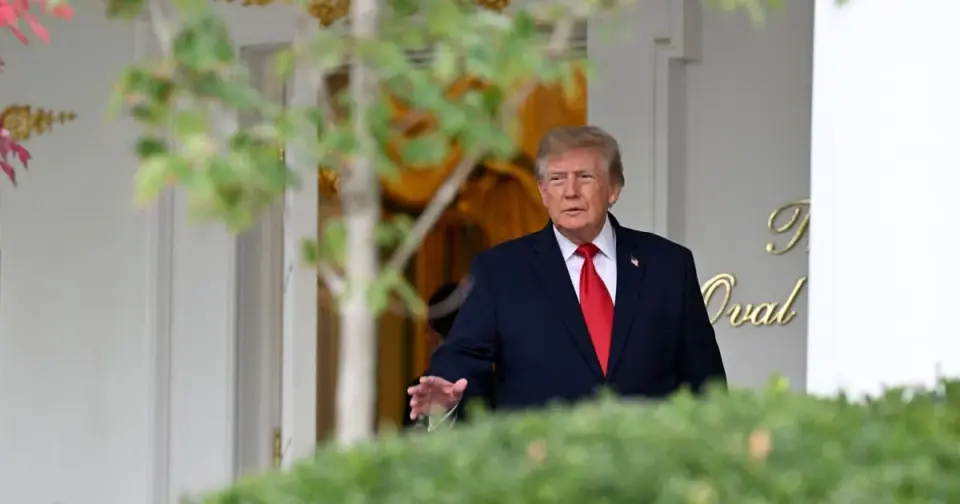
President Trump’s agreement to import Russian diesel to lower fuel prices has triggered a diplomatic crisis with Ukraine and a rare bipartisan congressional revolt. While the administration frames the deal as a consumer protection measure, critics argue it violates 2022 sanctions laws and undermines pressure on Moscow. The move has coincided with US threats to cut military aid and Starlink access, leaving Kyiv and European allies scrambling to respond.
Key points
- Trump announced a deal for Russia to export over 300,000 tons of diesel to lower US fuel prices ahead of midterms, a move critics say violates the 2022 Ending Importation of Russian Oil Act.
- A bipartisan group of 22 House lawmakers, led by Rep. Jim Costa, urged the administration to enforce the Lindsey Graham sanctions law by October 18 and scrap the diesel agreement.
- Ukrainian President Volodymyr Zelenskyy criticized the deal as a betrayal, noting that US negotiators have pressured Kyiv to unilaterally cease attacks on Russian refineries.
- The administration has faced internal GOP dissent, with candidates like Rep. Ashley Hinson arguing that other methods, such as gas tax suspensions, would better address high fuel costs.
- European leaders, including UK Prime Minister Andy Burnham, have reaffirmed support for Ukraine, though a unified transatlantic pushback against Washington has not yet materialized.
Background
This development follows a series of escalating tensions between Washington and Kyiv, including a 2025 Oval Office confrontation and recent disputes over Starlink satellite communications. The current crisis is part of a broader shift in US war diplomacy, where the administration is prioritizing a final settlement over partial de-escalation, a change that has disoriented Ukrainian leadership and European allies.
How outlets are covering it
The Council on Foreign Relations argues the diesel deal signals a dangerous shift in Trump’s view of the conflict, potentially prioritizing pressure on Zelenskyy over sanctions on Putin. Semafor highlights the political toxicity of the deal within the Republican party, noting that while the White House defends it as a consumer benefit, many GOP members fear it aids Russia’s war effort. Politico emphasizes the legislative response, focusing on the bipartisan push to enforce existing sanctions and the administration’s refusal to acknowledge the legal implications of the deal.
Why it matters
The diesel deal represents a potential legal and strategic watershed in US foreign policy. If the administration continues to bypass statutory sanctions to achieve short-term economic goals, it could permanently damage US alliances and reduce leverage over Russia. For Ukraine, the combination of economic relief for Moscow and potential cuts in US military support creates a critical vulnerability as Russian attacks on infrastructure intensify.
What to watch
The administration faces a deadline of October 18 to implement the Lindsey Graham sanctions law. Congressional pressure is expected to intensify if the diesel imports proceed, while European leaders may move from private support to public confrontation if the US continues to withhold military aid. The midterm elections will likely determine whether the administration can sustain this policy or is forced to reverse course.
- Trump’s “Diesel Deal” With Russia Was Just the Start Council on Foreign Relations
- Opinion | Trump’s Democracy-for-Diesel Deal Shames Us All The New York Times
- Trump doubling down on Russian diesel deal as Republicans run from it Semafor
- Bipartisan House group urges Trump to enforce Russia sanctions , scrap diesel deal Politico
- Donald Trump turns to Vladimir Putin for relief at the pump The Economist
Want the full story? Read the original reporting
Read on Council on Foreign Relations