
Vance and officials deny coordinated cyberattack behind US tech outage wave
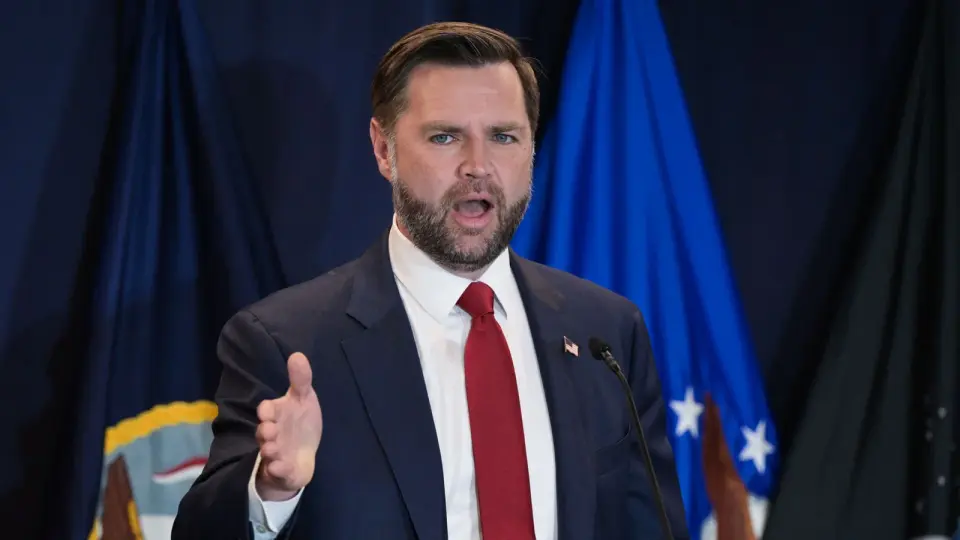
Vice President JD Vance canceled a scheduled appearance to address a wave of major technology outages, including a nationwide flight ground stop and a Microsoft email failure. Administration officials insist these incidents are unrelated technical glitches, not a coordinated cyberattack. While officials dismiss fears of a 90-day blackout, experts warn that aging infrastructure and rapid AI integration create significant vulnerabilities.
Key points
- Vice President JD Vance canceled his appearance at the DealBook Summit to attend meetings regarding recent high-profile technology disruptions.
- A senior administration official stated there is no evidence the outages are a cyberattack or coordinated action, attributing them to system upgrades and hardware patches.
- Director of National Intelligence Jay Clayton confirmed to the House Homeland Security Committee that there is no indication of state-sponsored malign activity.
- Secretary of Homeland Security Markwayne Mullin stated with 'complete certainty' that the US is not under attack, blaming the issues on new technology being pushed onto old systems.
- Vance dismissed rumors of a 90-day blackout, telling Fox News that Americans should not build bunkers or stockpile supplies, as no crisis is imminent.
- The outages included a Microsoft Outlook failure, a JPMorgan Chase software bug, a United Airlines delay, and a reported blackout of the National Security Agency’s classified network.
Background
Recent archive coverage notes that public anxiety has been fueled by social media rumors of a 90-day blackout and a state of emergency, which officials have repeatedly debunked. Earlier reports highlighted that the November 17 Emergency Alert System test was routine and not a precursor to grid failure. Additionally, former presidential candidate Andrew Yang has argued that AI-enhanced cyberattacks may be worsening, contrasting with the administration's dismissal of the infrastructure failures as coincidental technical errors.
How outlets are covering it
The Trump administration, including Vance, Clayton, and Mullin, maintains a unified stance that the outages are isolated technical failures resulting from aging infrastructure and routine upgrades, explicitly denying any coordinated cyberattack or foreign state involvement. In contrast, critics and some experts, such as Sen. Mark Warner and cybersecurity analyst Alex Hamerstone, emphasize the systemic risks of aging infrastructure and the potential dangers of rapidly advancing AI models. While the administration frames the situation as a matter of 'basic good government' preparation, opponents argue that the sheer volume of simultaneous failures warrants deeper scrutiny into AI safety and infrastructure resilience, rather than simple reassurance.
Why it matters
The cascade of outages at critical institutions, including the FAA, major banks, and the NSA, has exposed vulnerabilities in US infrastructure and triggered public panic. While officials dismiss the events as unrelated technical glitches, the incident highlights the growing dependence on complex, aging systems and raises questions about the safety protocols surrounding emerging AI technologies in critical sectors.
What to watch
Transportation Secretary Sean Duffy has requested up to $50 billion in emergency funding for air traffic control, though Senate Majority Leader John Thune is demanding more information before approving the funds. Sen. Mark Warner is advocating for a pre-testing regime for new AI models to establish safety guardrails. Meanwhile, the administration continues to monitor the situation, with Vance indicating that a decision on his 2028 presidential campaign will be made later in the year.
- Vance scraps schedule to address tech outages as Trump admin insists incidents aren't linked CNBC
- JD Vance cancels interview to hold crisis talks over tech outages The Times
- Vance dismisses rumors of blackout: 'Don't see a crisis coming' USA Today
- Vance cancels New York Times DealBook appearance amid tech outages The Hill
- Trump administration dismisses crisis fears after string of disruptive tech outages CNN
Want the full story? Read the original reporting
Read on CNBC