
Vance Blames Iran War for GOP Midterm Collapse, Drawing Sharp Rebuke from Tehran
Vice President JD Vance publicly blamed the U.S. war with Iran for the Republican Party's historic midterm losses, marking a significant break from President Donald Trump. While Vance argued that the conflict drove up costs and alienated voters, Trump maintained the war was necessary. Iranian officials mocked Vance's post, and the rift highlights internal GOP divisions ahead of a potential 2028 presidential run.
Key points
- Vance posted a 600-word analysis on X, stating the Iran war was the primary reason for the GOP's defeat in the 2026 midterms.
- Vance identified four key issues for voters: ending the war, addressing inflation, prioritizing America, and changing relations with Israel.
- President Trump defended the war, stating he would make the same decision again, but acknowledged the conflict hurt the party's chances.
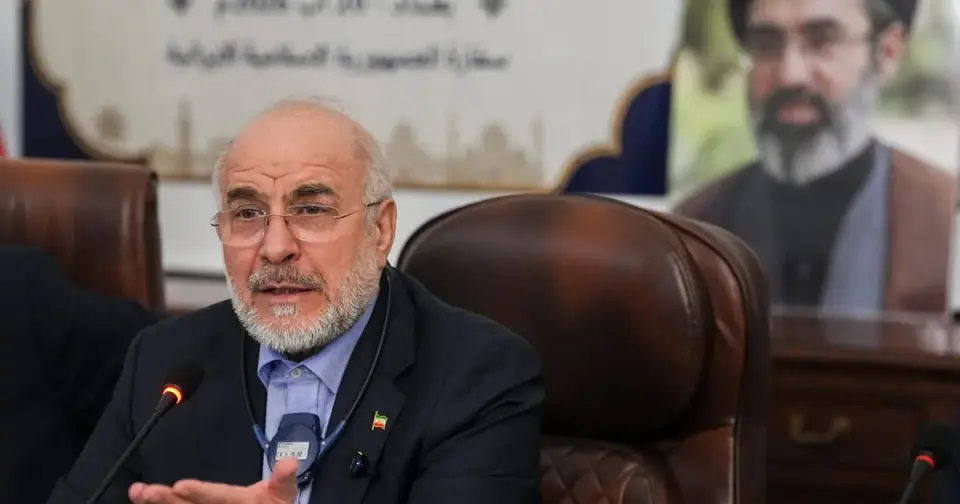
- Iranian parliament speaker Mohammad Bagher Ghalibaf mocked Vance, calling his post a 'TED talk' and suggesting he address his boss directly.
- The war, launched in February 2026, led to Iran closing the Strait of Hormuz, which spiked fuel prices and contributed to voter anger.
Background
The 2026 midterms resulted in a generational defeat for Republicans, who lost control of both the House and Senate. This follows a period of rising inflation and public discontent with the administration's foreign policy. The conflict with Iran began in February 2026, leading to a standoff that disrupted global oil supplies. Previous coverage noted that Vance's stance marked a sharp departure from Trump's defense of the conflict, with markets reacting by dropping oil prices below $100 a barrel.
How outlets are covering it
Axios frames Vance's post as a strategic move to claim the MAGA movement for a 2028 presidential run, noting that he aligned with anti-interventionist voters while shielding Trump from broader criticism. The Washington Post details how the war, combined with tariffs and economic mismanagement, alienated key voter demographics, including young men and Hispanics. The New York Times emphasizes the break between Vance and Trump, highlighting Vance's direct attribution of blame to the war. Politico focuses on the international reaction, specifically the mockery from Iranian officials, who viewed Vance's concession as a sign of weakness. While all sources agree on the war's impact, they differ on whether Vance's move is a genuine policy shift or a calculated political maneuver.
Why it matters
The rift between Vance and Trump signals a potential shift in the Republican Party's direction and could influence the 2028 presidential race. The war's economic impact, particularly on fuel prices, has reshaped voter priorities and exposed deep divisions within the MAGA coalition. The international response, including Iran's mockery, underscores the global implications of U.S. foreign policy decisions and their domestic political costs.
What to watch
Watch for further public disagreements between Vance and Trump as the administration navigates the new congressional landscape. Monitor how the Republican Party addresses the economic and foreign policy issues that drove the midterm losses. Look for signs of a potential 2028 presidential primary, with Vance positioning himself as a candidate who can bridge the gap between MAGA's anti-interventionist and pro-Israel wings.
- ‘Skip the TED talk’: Iran trolls Vance over midterm defeat analysis POLITICO.eu
- How Trump Lost the Midterms WSJ
- Vance takes a step toward 2028 in MAGA power play Axios
- The Republican missteps that laid the groundwork for a historic midterm rebuke The Washington Post
- Vance, in Break With Trump, Blames Iran War for Republicans’ 2026 Midterm Losses The New York Times
Want the full story? Read the original reporting
Read on POLITICO.eu