
Vance narrows Trump’s $5,000 dividend pledge as GOP convention faces fiscal scrutiny
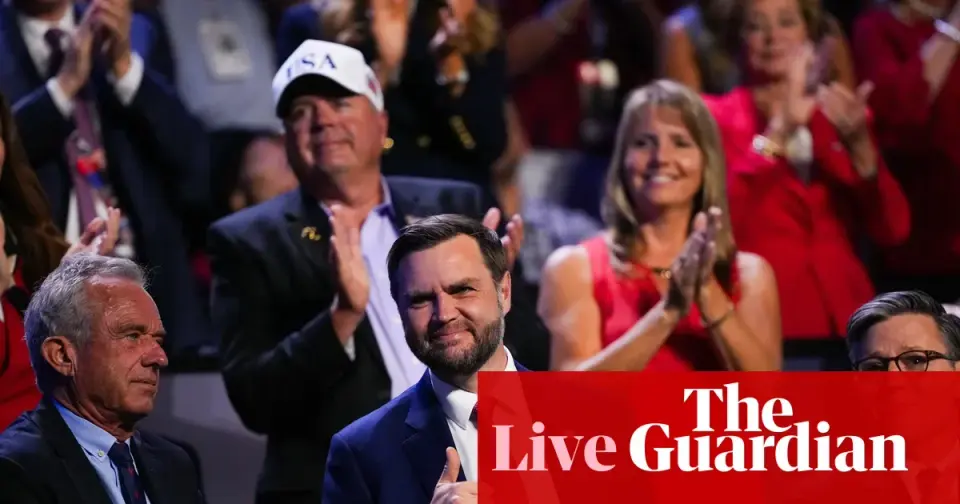
Vice President JD Vance has partially walked back President Donald Trump’s pledge to pay every US adult $5,000 if Republicans retain control of Congress. While Trump framed the 'dividend' as a reward for electoral victory, Vance suggested the funds would come from tariff revenues and exclude the wealthy, though experts note the cost far exceeds current tariff income. The proposal faces legal and fiscal hurdles, with Congress required to approve any such spending.
Key points
- Trump promised a $5,000 payout to all adults if Republicans win the House and Senate in November, a move costing an estimated $1.3 trillion.
- Vance later suggested the payment would be funded by tariff revenues and would not go to the wealthy, though the sum dwarfs actual tariff income.
- Legal experts note the promise is likely legal as a campaign pledge, but fiscal analysts argue it is impossible given the US runs a $2 trillion annual deficit.
- Several Republican candidates in competitive races skipped the Dallas convention, citing Trump’s low approval rating and the party’s predicted loss of the House.
- Democratic Senator John Fetterman made a surprise video appearance at the GOP convention, supporting a Republican candidate and rejecting 'socialism'.
Background
This development follows earlier coverage from September 2026, where Trump first introduced the $5,000 dividend idea during the Republican midterm convention. Previous reports highlighted concerns about the plan’s feasibility and potential impact on bond markets. The current update focuses on Vance’s attempt to narrow the scope of the promise and the broader skepticism from fiscal experts regarding the funding source.
How outlets are covering it
The Guardian and USA Today emphasize the political gamble of the convention, noting that many Republican candidates in competitive races skipped the event due to Trump’s low approval rating. The BBC highlights the massive cost of the proposal, estimating it at $1.3 trillion, and questions its legality and feasibility. Vance’s comments, reported by all three outlets, attempt to mitigate the fiscal concerns by linking the payment to tariff revenues, though The Guardian and USA Today note that these revenues are insufficient to cover the cost. Democrats have labeled the promise 'empty,' while some legal experts argue it is a valid campaign pledge rather than a bribe.
Why it matters
The $5,000 dividend pledge represents a significant shift in campaign rhetoric, attempting to incentivize voter turnout through direct financial rewards. However, the lack of a clear funding mechanism and the opposition from fiscal experts raise questions about the policy’s viability. The move also highlights the deep divisions within the Republican party, with some candidates distancing themselves from Trump’s controversial proposals. The outcome of the midterms will determine whether this pledge becomes a policy reality or remains a campaign tactic.
What to watch
The White House has yet to release details on how the dividend would be implemented. Congress must approve any such spending, and the Supreme Court’s recent ruling on tariffs complicates the funding source. The midterm elections are scheduled for November 3, 2026, and the outcome will determine whether Republicans retain control of Congress. Legal challenges may arise if the promise is interpreted as an attempt to influence voting, though experts currently view it as a legal campaign pledge.
- Vance appears to walk back Trump’s offer of $5,000 ‘dividend’ if Republicans win midterms – US politics live The Guardian
- Trump says every adult American will get $5,000 if Republicans win midterms BBC
- 'Pretend I'm on the ballot.' 5 takeaways from Trump's midterm convention USA Today
- After Trump promised to pay $5,000 if Republicans win, here's what to expect Thursday NPR
- A $5,000 ‘Trump Dividend’? The Bond Market May Like a Word. The New York Times
Want the full story? Read the original reporting
Read on The Guardian