
Vance defends Iran strategy and economy at first White House briefing since Leavitt's exit
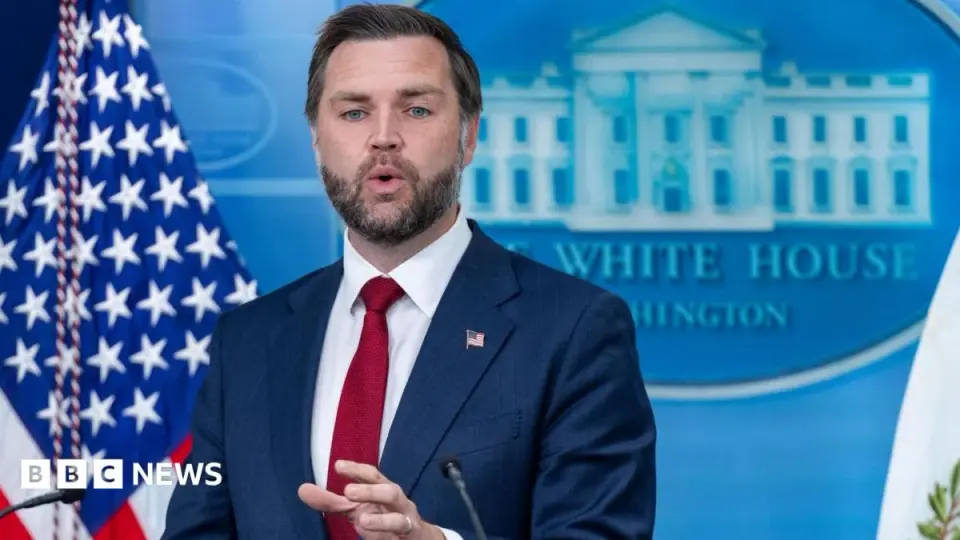
JD Vance held the first White House press briefing since Karoline Leavitt's departure, asserting that major combat in Iran ended after six weeks but that the US will not negotiate until Tehran stops targeting commercial shipping. He blamed high gas prices on Iranian attacks and European inaction, while promising lower prices soon. Vance dodged questions about his 2028 presidential ambitions and the resignation of Army Secretary Dan Driscoll, instead emphasizing the administration's 'warrior spirit' and economic policies.
Key points
- Vance stated the US is not negotiating with Iran until it ceases firing at commercial ships, claiming 15 million barrels of oil passed through the Strait of Hormuz recently due to US efforts.
- He rejected the label 'war' for the Iran conflict, noting major combat lasted six weeks and destroyed Iranian nuclear facilities, but admitted uncertainty about when Iran will stop targeting ships.
- Vance blamed European allies for failing to stabilize global energy markets and criticized the Federal Reserve for not lowering interest rates, calling for their help to reduce bond market volatility.
- He defended the administration's economic record by blaming inflation on the previous administration and promising that prices will drop as new policies take effect, despite current high costs.
- Vance avoided answering whether he would support Pete Hegseth or Ted Cruz in 2028, focusing instead on the upcoming midterm elections, and dismissed reports of a US strike on an Iranian wedding as unverified.
Background
This briefing follows a period of economic anxiety and military conflict, with previous coverage noting that experts doubted rapid inflation relief before the midterms. The Iran war anniversary had already tested Republican support, with voters split between those blaming the conflict for high prices and those backing GOP candidates based on Iran policy. Vance's recent comments align with earlier debates about his potential 2028 presidential run, which some analysts viewed as uncertain due to his reliance on Trump.
How outlets are covering it
BBC News provided detailed coverage of Vance's statements on Iran, the economy, and his 2028 ambitions, highlighting his upbeat tone and deflection on sensitive topics. WBAL-TV focused on the procedural aspect of the briefing, noting it was the first since Leavitt's departure and that the White House had not yet named a replacement. 13wham.com emphasized Vance's refusal to provide a timeline for lower gas prices, blaming Iran's attacks on commercial ships for current energy costs. All sources agree on the core facts but differ in emphasis: BBC highlights the political and military dimensions, WBAL focuses on the press secretary vacancy, and 13wham centers on the economic impact on voters.
Why it matters
Vance's briefing signals the administration's strategy to frame the Iran conflict as a resolved military success while shifting blame for economic pain to Iran and previous administrations. This approach aims to mitigate voter dissatisfaction ahead of the midterms, where high prices and energy costs are key issues. The lack of a press secretary and Vance's focus on 'warrior spirit' also reflect internal tensions within the administration, potentially affecting policy consistency and public trust.
What to watch
The White House is expected to continue using rotating officials for press briefings until a new press secretary is appointed. Vance and other administration officials will likely continue to address questions about the Iran conflict, energy prices, and the economy, particularly as the midterm elections approach. The US may maintain its blockade of Iranian ports and pressure tactics until Iran stops targeting commercial shipping, with no clear timeline for negotiations.
- JD Vance to hold first White House press briefing in weeks BBC
- LIVE: Vice President Vance hosts first White House press briefing since Leavitt's departure WBAL-TV
- Vance returns to White House briefing room as press secretary vacancy continues 13wham.com
- Live updates: JD Vance to lead White House press briefing; Hakeem Jeffries to make remarks The Hill
- WATCH LIVE: Vance holds White House briefing after Leavitt's departure PBS
Want the full story? Read the original reporting
Read on BBC