The New York Fed’s September Survey of Consumer Expectations shows one-year inflation expectations rising to 3.9%, the highest level since May 2023. This surge coincides with a 5.5% expected increase in household spending. While the Federal Reserve is expected to hold interest rates steady in October, long-term market indicators suggest significant future rate hikes due to persistent energy costs and bond market volatility.
The Bureau of Economic Analysis revised its PCE inflation methodology, lowering August’s core rate to 3.0% and overall rate to 3.4%, both below prior estimates. Despite these downward adjustments, inflation remains significantly above the Federal Reserve’s 2% target, driven by energy costs from the Iran conflict. The revisions ease pressure on the Fed to hike rates again before the midterms, though long-term bond yields have surged, signaling persistent inflation concerns.
The Conference Board’s Consumer Confidence Index dropped to 81.9 in September, its lowest level since 2014. This sharp decline, which missed forecasts, was driven by rising fuel costs, persistent inflation fears, and a deteriorating outlook on personal finances. While job openings slipped to 7.08 million, the labor market remained relatively stable, though consumer sentiment fell across all political affiliations ahead of the midterm elections.
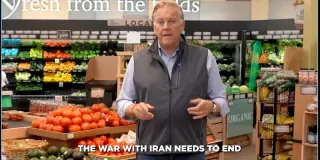
President Donald Trump has reversed his previous claims of victory, admitting the war with Iran remains ongoing. This shift coincides with rising domestic pressure from high fuel costs and Republican candidates urging an end to the conflict before the November 3 midterms.
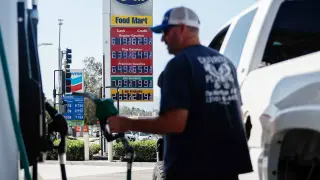
President Donald Trump rejected Iran’s latest proposal to reopen the Strait of Hormuz within seven days, calling the terms 'unacceptable.' Tehran, led by Foreign Minister Abbas Araghchi, insists its conditions are non-negotiable and are awaiting an official response from Washington. The standoff has left global oil markets volatile, with US gasoline prices soaring to $4.49 a gallon, intensifying political pressure on the administration ahead of the November midterms.
The Trump administration is considering a 90-day ban on diesel exports to lower domestic fuel prices ahead of midterm elections, despite strong opposition from energy officials and business groups who warn it would backfire.
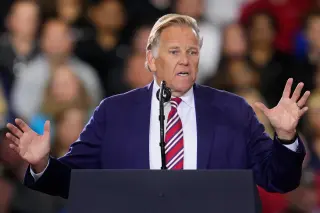
Facing tight races and rising fuel costs, several Republican candidates are publicly distancing themselves from President Trump’s ongoing conflict with Iran. Figures like Mike Rogers and Ashley Hinson, previously supportive of the war, now cite economic hardship to call for an end to hostilities. This shift coincides with a drop in Republican approval ratings for the war and a generic ballot advantage for Democrats, suggesting that domestic economic concerns are overriding party loyalty.
The Trump administration is preparing a potential 90-day ban on U.S. diesel exports to lower record-high fuel prices ahead of the November midterms. While President Trump has signaled support, Energy Secretary Chris Wright and industry leaders warn that such a move would backfire by forcing refiners to cut production, ultimately raising gasoline and jet fuel costs. The decision remains unresolved, with internal White House divisions and market volatility reflecting the tension between political pressure and economic reality.
Republican candidates in competitive midterm races are breaking with President Trump to demand an immediate end to the Iran war, citing soaring fuel costs and voter fatigue. While Trump maintains the conflict is necessary and may escalate, figures like Mike Rogers and Ashley Hinson are urging a quick resolution to protect their electoral prospects.
Republican candidates in competitive midterm races are increasingly urging President Trump to end the Iran conflict, citing soaring fuel costs and declining public support. While Trump maintains the war is necessary and may escalate, figures like Mike Rogers and Ashley Hinson are breaking with party leadership to protect their electoral prospects. This internal pressure coincides with a drop in Republican approval ratings for the conflict and rising gas prices, marking a significant shift in GOP strategy ahead of November elections.
The U.S.-Israel conflict with Iran, initiated in late February 2026, has fundamentally altered the American economic landscape. While the war was initially described by President Trump as a 'short-term excursion,' it has now entered its seventh month with no clear exit strategy. Key indicators have deteriorated significantly: average gasoline prices have surged from under $3 to approximately $4.50 per gallon, and diesel has hit an all-time high of $6.52. Consequently, the Consumer Price Index has risen from 2.4% to 3.4%, prompting the Federal Reserve to raise interest rates for the first time since 2023. The 10-year Treasury yield has climbed from 3.96% to nearly 5%, pushing average 30-year mortgage rates above 7%. Although median household income reached a record high in 2025 and poverty rates fell, consumer sentiment has plummeted to near all-time lows. This economic strain is overshadowing positive data and complicating the White House’s efforts to retain control of Congress in the upcoming November midterms.
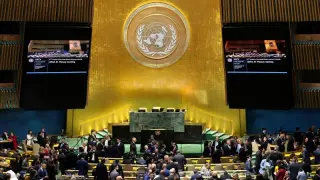
Live UN General Assembly updates focus on President Trump signaling a “big decision” on Iran after the midterms, with discussion of a potential historic meeting between the US and Iranian presidents amid ongoing Iran-US conflict, while broader coverage addresses energy prices, munitions, and regional diplomacy.
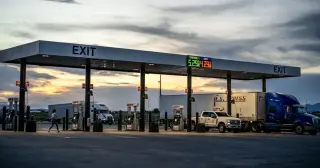
JLT Trucking, a Washington, D.C.-area waste-collection operator, says rigid long-term contracts prevent it from passing rising diesel costs to customers, leaving about $100,000 per month in extra fuel expenses as diesel climbs toward record levels and is up nearly 60% since the Iran conflict began, threatening investments, jobs, and customer relations.
Michigan Senate hopeful Mike Rogers said the Iran war must end quickly to lower prices, proposing a temporary diesel export embargo and prioritizing American energy relief, signaling a broader GOP focus on affordability amid the war. The live updates also touch on related political moves around Iran policy, AI regulation, and campaign dynamics ahead of the midterms.
Europe is facing a widening fuel crunch as jet-fuel shortages loom for Q4, with Energy Aspects forecasting a 510,000 barrels-per-day deficit and European jet-fuel stocks at their lowest since 2019; South Korea has become Europe’s largest jet-fuel supplier, while gasoline and diesel prices reach record highs and threaten eurozone inflation. The disruption follows Saudi Arabia canceling October cargoes after Houthi attacks, underscoring ongoing supply fragility, and analysts warn that diesel production gains could squeeze gasoline later.