
Vance Withholds Support for Netanyahu, Highlighting White House Split
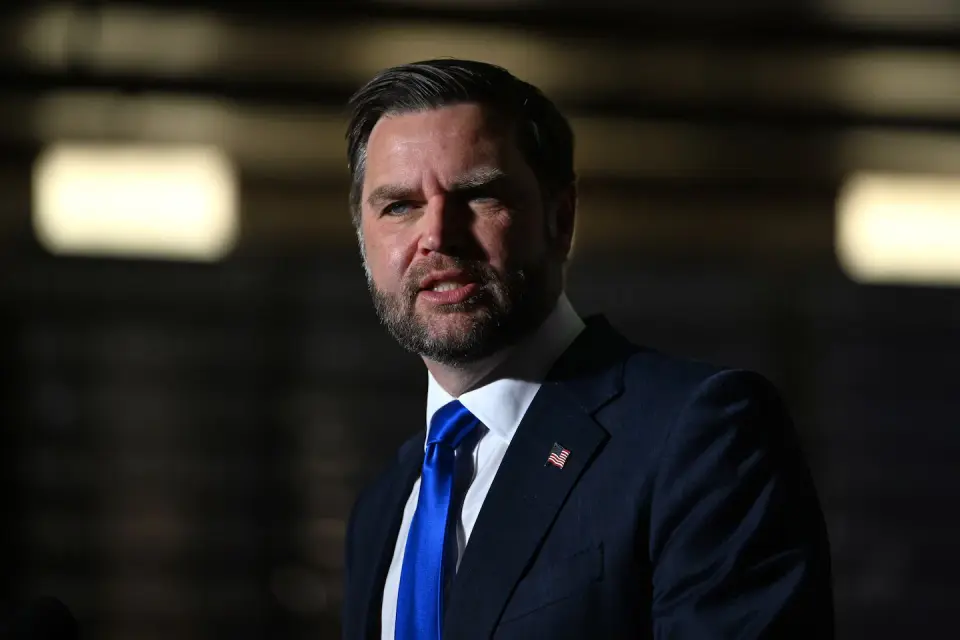
Vice President JD Vance declined to endorse Israeli Prime Minister Benjamin Netanyahu for the October 27 election, contrasting with President Donald Trump’s explicit support. Vance stated he is focused on US midterm elections, while Trump called Netanyahu a 'Great Warrior' and warned that a different Israeli leader would force the US to handle Iran alone. This divergence highlights growing tensions within the Republican administration over Israel policy.
Key points
- JD Vance refused to endorse Netanyahu, stating he is not 'pro-endorsing' or 'anti-endorsing' and is focused on US midterms.
- Donald Trump endorsed Netanyahu on October 18, calling him a 'Great Warrior' and warning that the US would handle Iran alone if a different leader takes power.
- Netanyahu faces a tight race, with polls showing his coalition falling short of the 61 seats needed to form a government.
- Vance previously endorsed Hungarian PM Viktor Orban in April, who subsequently lost power, raising questions about the impact of foreign endorsements.
- Defense Secretary Pete Hegseth met with Netanyahu on October 20, discussing Trump’s endorsement.
Background
This development follows months of strained relations between Trump and Netanyahu over the Iran war and Gaza. Trump had previously declined to endorse Netanyahu due to frustrations with Israel’s military operations. Vance has also faced criticism from Jewish Republicans for his criticism of Israeli officials and association with Tucker Carlson, though he attended the Republican Jewish Coalition summit in August to strengthen ties.
How outlets are covering it
The Washington Post and Al Jazeera emphasize Vance’s refusal to endorse Netanyahu as a deliberate move to avoid involvement in Israeli elections, contrasting with Trump’s active support. Axios highlights Trump’s strategic calculation, noting that some of his advisers believed a different Israeli government might better serve US Middle East interests. Al Jazeera also notes that Vance’s stance reflects growing discontent within the Republican party over unconditional support for Israel, particularly amid the US-Israel war on Iran. The Washington Post notes that Vance has faced backlash from Jewish commentators, while Axios reports that Netanyahu’s rival, Gadi Eisenkot, dismissed the US endorsement as a domestic Israeli issue.
Why it matters
The divergence between Vance and Trump signals a potential rift within the US administration over Israel policy, which could impact future US-Israel relations and the outcome of the Israeli election. Vance’s focus on US midterms suggests a shift in priorities, while Trump’s endorsement may influence Israeli voters, though polls indicate skepticism about US influence. The outcome of the election could affect US-Iran dynamics and regional stability.
What to watch
The Israeli election is scheduled for October 27. Trump has suggested he may resume military action against Iran after the US midterm elections, linking this to Netanyahu’s political survival. Vance’s stance may influence Republican voters in the US midterms, particularly among Jewish Republicans. The outcome of the Israeli election will determine whether Netanyahu remains in power and how US-Israel relations evolve.
- JD Vance declines to endorse Netanyahu for reelection as Israeli leader The Washington Post
- ‘Not getting involved’: US Vice President refuses to endorse Netanyahu Al Jazeera
- Vance Blows Open Split as Trump’s Approval Plummets Yahoo
- Trump tells Axios why he endorsed Netanyahu's reelection in Israel Axios
- Bannon ‘not wild’ about Trump endorsing Netanyahu The Hill
Want the full story? Read the original reporting
Read on The Washington Post