
Vance’s 2028 Prospects Dim as Trump Rebukes Iran War Critique
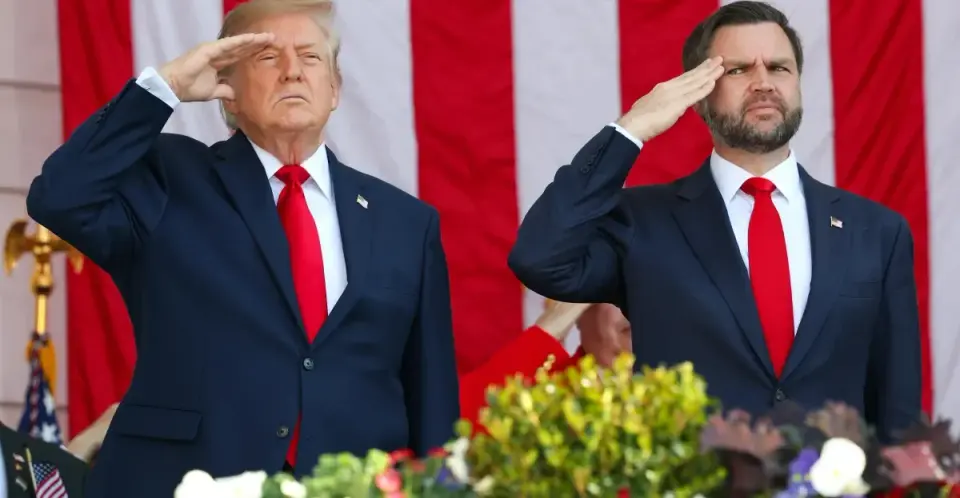
Vice President JD Vance faces a severe political crisis ahead of the 2028 Republican primary, with support collapsing from 54% to 20% in recent polls. His public blame of the Iran war for the GOP’s midterm losses has triggered a rift with President Trump, who insists the conflict was necessary. As rivals like Marco Rubio surge in the polls, Vance is trapped between maintaining loyalty to the administration and distancing himself from unpopular policies.
Key points
- Emerson College polling shows Vance’s 2028 support dropped to 20%, while Rubio’s rose to 36%.
- Vance blamed the Iran war for the Republican midterm defeat, a stance Trump initially accepted but later criticized.
- Trump has expressed frustration that Vance did not explicitly endorse the decision to wage war during his post-election analysis.
- Vance deflected questions on the war’s value at a Friday press conference, stating his role is to support the president.
- Rivals including Ron DeSantis and Ted Cruz are positioning themselves as alternatives, exploiting Vance’s weakened standing.
Background
Following the 2026 midterm elections, the Republican Party suffered historic losses, leading to internal blame wars. Previous coverage noted that Vance’s criticism of the Iran war fractured the party, while figures like DeSantis and Cruz began positioning themselves as alternatives. The current situation represents an escalation of that earlier contention, with polling data now showing a complete reversal in the 2028 primary landscape.
How outlets are covering it
Vox frames the situation as a 'trap of his own making,' arguing that Vance’s dual stances on immigration and the Iran war have alienated both the MAGA base and Trump. The New York Times emphasizes the personal friction, noting that Trump has grown increasingly frustrated with Vance’s framing, despite initially agreeing with his assessment. NBC News and The Hill focus on the immediate diplomatic maneuvering, highlighting Vance’s deflection at the press conference and Trump’s public defense of the war’s necessity. While Vox suggests Vance is approaching his 'best-by date,' The Hill notes that Trump still publicly defended Vance’s comments, creating a confusing dynamic for the vice president.
Why it matters
The rift between the sitting vice president and the president signals a potential fracture in the 2028 Republican nomination process. If Vance cannot reconcile his public criticism of the Iran war with Trump’s unwavering support for it, he may lose the party’s endorsement, opening the door for rivals like Rubio to seize the nomination. This dynamic could reshape the entire 2028 election cycle, potentially leading to a more fragmented Republican primary and a general election that reflects the party’s current internal divisions.
What to watch
Vance must navigate the next 18 months without a clear path forward, as he cannot fully break from Trump without losing MAGA support, nor can he fully align with Trump without alienating the base that blamed the war for the midterm losses. Trump’s continued frustration may lead to a public endorsement of a rival, while Rubio’s rising poll numbers suggest he is preparing to launch a formal campaign. The next few months will likely see increased tension between the White House and the vice president’s office as the 2028 primary field solidifies.
- 2028 Republican primary: Why everyone, even the GOP, is sick of JD Vance Vox
- Trump Grows Frustrated With Vance Over Iran War Critique The New York Times
- US Vice President Vance declines to say he would have ordered Iran strikes Reuters
- Vance sidesteps question on the Iran war, saying, ‘My job is to support the president’ NBC News
- Vance deflects on whether Iran war worth political price The Hill
Want the full story? Read the original reporting
Read on Vox