
Viral Ohio Hoax Distracts from Paxton’s Corruption Scandal in Texas Senate Race
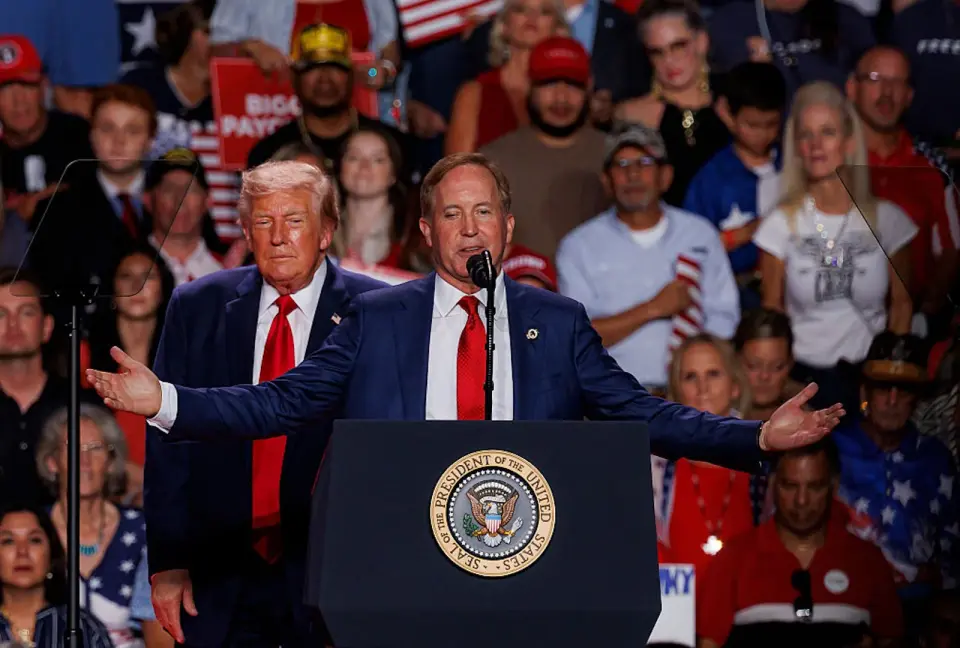
A fabricated claim that Democratic candidate James Talarico was hospitalized in Ohio for mental health treatment went viral, distracting from serious corruption allegations against his Republican opponent, Ken Paxton. The hoax, amplified by influencers and Elon Musk, was quickly debunked by security footage and hospital records, but it successfully shifted public attention away from Paxton’s financial ties to indicted individuals.
Key points
- Talarico was absent from the campaign trail for nine days due to the flu, appearing virtually on Sept. 30 to explain his illness.
- Right-wing influencers, including Nick Sortor and Rhein Amacher, falsely claimed Talarico was discharged from the Lindner Center of Hope in Ohio on Oct. 11.
- The Lindner Center and Talarico’s campaign denied the claims, with the latter releasing security camera footage showing him at his Austin home from Oct. 1 to 8.
- The Wall Street Journal reported that Paxton received $25,000 from a fugitive indicted for embezzlement and attended a Dubai party with two men accused of hospital fraud.
- Paxton’s campaign used the hoax to demand 'proof of life' for Talarico, while Trump mocked the candidate as 'TalaFREAKo' on Truth Social.
Background
This incident follows a pattern of aggressive disinformation in the 2026 midterms, where right-wing media ecosystems prioritize viral outrage over accuracy. Previous coverage noted that the Texas race remained statistically tied despite the hoax, and that mainstream media largely refused to amplify the false claims. The episode highlights a broader 'rage economy' where conspiracy theories are used to distract from substantive policy or corruption issues, a tactic seen in other 2026 races involving candidates like Abdul El-Sayed and Rob Sand.
How outlets are covering it
Salon argues the hoax was a strategic distraction from Paxton’s real corruption issues, noting that the 'rage economy' rewards speed over accuracy. CBS News focused on the factual timeline, emphasizing the security footage that proved Talarico was in Texas. The Guardian highlighted the systemic failure of platform moderation, noting that while the hoax collapsed, it demonstrated the efficiency of the right-wing misinformation machine. All sources agree the claim was false, but they differ on the primary impact: Salon sees it as a cover for corruption, while The Guardian views it as a test of public resilience against disinformation.
Why it matters
The episode illustrates how manufactured scandals can temporarily override substantive reporting, potentially influencing voter perception in a competitive race. It also underscores the risks of a media ecosystem where platforms like X lack robust fact-checking, allowing false claims to reach millions before corrections are issued. The distraction from Paxton’s financial ties to indicted individuals raises concerns about the integrity of the election and the role of social media in shaping political narratives.
What to watch
The hoax has largely collapsed, with the Lindner Center and Talarico’s campaign providing definitive evidence against the claims. Attention is expected to return to Paxton’s corruption allegations, particularly the Wall Street Journal report on his financial ties to embezzlers. The race remains competitive, and the incident may influence how candidates and media handle future disinformation campaigns in the 2026 midterms.
- A viral Talarico hoax drowned out Paxton’s corruption story Salon.com
- Republicans Promoted a False Rumor That James Talarico Was in Ohio The New York Times
- Talarico was at home in Texas during campaign trail absence, photos appear to show CBS News
- James Talarico fires back at conspiracy theories during CNN town hall Chron
- Anatomy of a lie: James Talarico got the flu – sending rightwing midterm misinformation machine into overdrive The Guardian
Want the full story? Read the original reporting
Read on Salon.com