
Spanberger’s Data Center Framework Faces Backlash for Omitting Moratorium and Tax Reforms
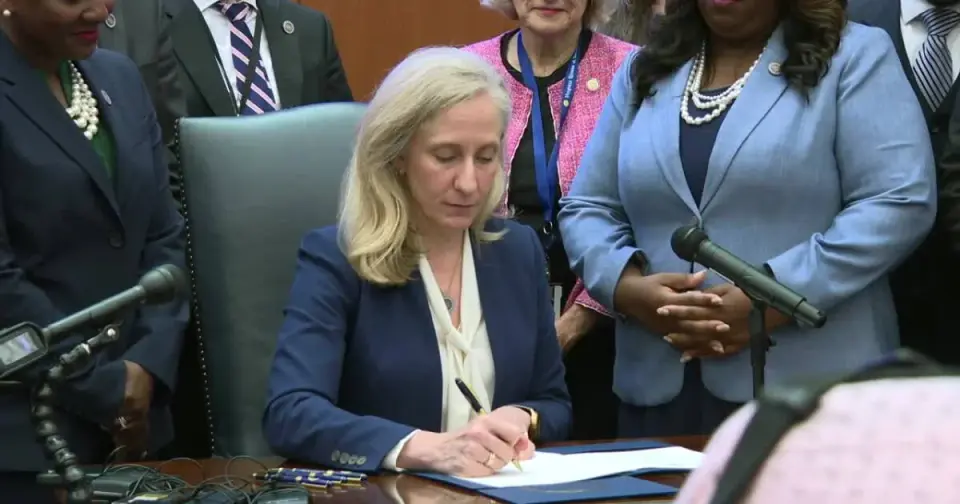
Virginia Governor Abigail Spanberger unveiled a new 'Data Center Accountability Framework' on September 18, 2026, aiming to regulate the industry through executive orders and legislative proposals. The plan includes banning non-disclosure agreements, limiting on-site gas generation, and requiring local approval for large facilities. While Spanberger called it the most aggressive national effort, critics argue it fails to address tax exemptions or halt new construction.
Key points
- Executive Order 22 bans state agencies from signing non-disclosure agreements for data center projects and fast-tracks noise regulations.
- The framework requires utilities to equitably allocate transmission costs to data centers and limits behind-the-meter natural gas generation.
- A new Artificial Intelligence Task Force was created to address workforce displacement, privacy, and cybersecurity risks.
- The plan does not include a moratorium on new data center development or a repeal of the $2 billion sales tax exemption for the industry.
- Local approval is now required for data centers using over 25 megawatts of power, replacing previous by-right approval processes.
Background
This announcement follows a contentious budget impasse earlier in 2026, where Spanberger resisted legislative efforts to repeal data center tax incentives, leading to a temporary energy consumption tax cap of $600 million. The move also comes amid growing public frustration in Northern Virginia over rising energy bills and environmental impacts, as well as a broader bipartisan push among governors to regulate the sector. Earlier in September, federal courts had also paused parts of Spanberger’s immigration cooperation laws, highlighting ongoing legal challenges to her executive actions.
How outlets are covering it
Reactions to the framework were sharply divided. Sen. Glen Sturtevant (R-Chesterfield) criticized the plan as 'Big Tech-friendly,' arguing it lacks a moratorium and fails to address tax loopholes. Sen. Louise Lucas (D-Portsmouth) agreed, stating the proposal ignores the $2 billion in sales tax exemptions. Conversely, the Data Center Coalition warned that abrupt policy changes without stakeholder engagement could jeopardize economic benefits and jobs. Spanberger defended the plan as the first in the nation to limit gas generation and prioritize clean energy grid access, noting that standards for existing facilities would be phased in over time.
Why it matters
Virginia’s approach serves as a national model for balancing economic development with environmental and community concerns. The outcome of these regulations will influence how other states handle the rapid expansion of AI infrastructure and could impact the 2028 presidential primary, where data center policy is becoming a key issue for Democratic candidates.
What to watch
The General Assembly must now act on several legislative components of the framework, including energy efficiency standards and water use regulations. A legislative panel will also examine data center subsidies for the next session. Meanwhile, localities will use new tools to negotiate community benefits agreements with developers.
- Gov. Spanberger proposes new data center rules for Virginia; reaction is mixed wtvr.com
- 'This industry won't have carte blanche': Spanberger cracks down on data centers Politico
- Virginia tightens data center restrictions amid political backlash Reuters
- Gov. Spanberger unveils accountability framework for data centers, launches AI task force WSET
- Virginia governor wakes up to fact datacenters have become political cancer The Register
Want the full story? Read the original reporting
Read on wtvr.com