
ICE Agent Walks Free as Federal Judge Blocks Extradition from Texas to Minnesota
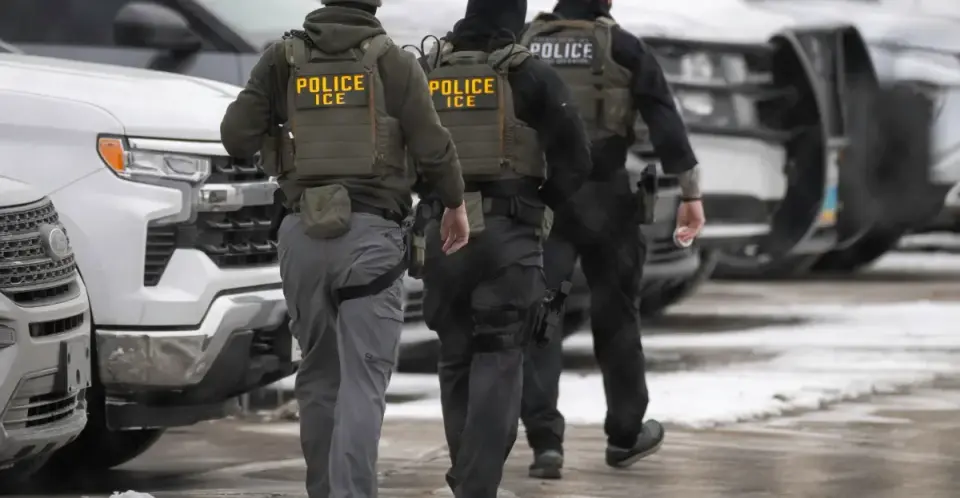
ICE agent Christian Castro was released from a Texas jail after a federal judge denied Minnesota’s request to force his extradition. Castro faces state charges for allegedly shooting a Venezuelan immigrant during a January 2026 raid in Minneapolis. Federal prosecutors had planned to file civil rights charges, but those plans stalled. The case highlights a constitutional dispute between state and federal authority.
Key points
- Christian Castro, a suspended ICE officer, was released from custody in Texas after a federal judge ruled against Minnesota’s extradition request.
- Minnesota prosecutors charged Castro with four felony counts of assault and one count of falsely reporting a crime related to a January 2026 shooting in Minneapolis.
- Federal prosecutors in Minnesota had planned to file civil rights charges against Castro, but those plans were halted following the court ruling.
- Texas Governor Greg Abbott’s office refused to extradite Castro, arguing that the state had not yet acted on the warrant and that the federal court lacked authority to impose a deadline.
- The case has raised concerns about the ability of states to hold federal law enforcement officers accountable for crimes committed in their jurisdictions.
Background
This dispute follows a series of legal challenges involving ICE operations in 2026, including a federal judge blocking the deportation of a witness in a Houston shooting case and another ruling against New York’s mask ban for federal investigators. The current case is part of a broader pattern of tensions between state and federal authorities regarding immigration enforcement and legal accountability.
How outlets are covering it
Vox emphasizes the legal precedent set by the federal judge, describing it as a new way to place ICE above the law. The Atlantic frames the issue as a sign of deepening strain between red and blue states, questioning the constitutional premise of interstate cooperation. The New York Times focuses on the stalled federal civil rights charges and the broader context of ICE shootings during the immigration crackdown. CNN reports on Castro’s release from jail, highlighting the immediate outcome of the legal battle.
Why it matters
The case tests the limits of federal authority and state sovereignty in the United States. If federal agents can avoid accountability by fleeing to states that refuse extradition, it could undermine the rule of law and the ability of states to enforce their own criminal laws. The outcome may set a precedent for future disputes involving federal law enforcement and state jurisdictions.
What to watch
Minnesota officials have stated they will continue litigation to pursue the case. The federal government has not yet announced whether it will pursue civil rights charges against Castro. The legal battle is expected to continue, with potential implications for future extradition disputes involving federal agents.
- A federal judge just discovered a whole new way to place ICE above the law, in Walz v. Abbott vox.com
- ICE agent accused of shooting Venezuelan immigrant and covering it up is released from Texas jail cnn.com
- The Fight Between Texas and Minnesota Should Never Have Gotten This Far The Atlantic
- An ICE Shooting, an Extradition Showdown and the Federal Case That Stalled The New York Times
- Expected indictment of ICE agent accused in Minneapolis shooting remains in limbo Star Tribune
Want the full story? Read the original reporting
Read on vox.com