
Warren, Michigan Residents Report Displacement and Safety Issues Amid Rapid Demographic Shift
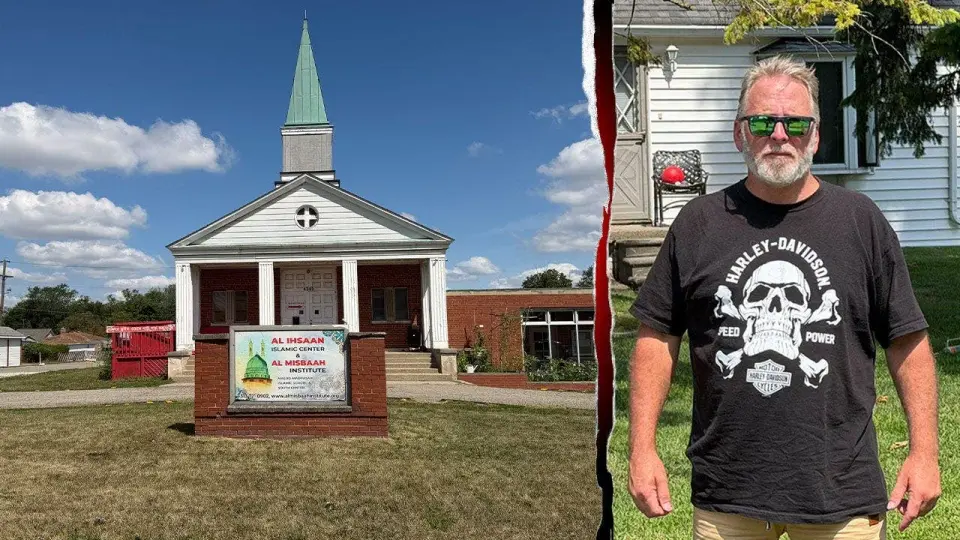
Residents of Warren, Michigan, allege that a rapid influx of foreign-born Muslims has fundamentally altered their neighborhood over the past decade. Longtime neighbors describe increased traffic, parking disputes, and noise from mosque services, claiming local authorities are unresponsive. While city officials deny neglecting complaints, residents feel pushed out of their historic blue-collar community, drawing parallels to nearby Dearborn.
Key points
- Justin Tye, a resident who returned to Warren 13 years ago, states the foreign-born Muslim population has grown significantly, leading to five mosques within a seven-mile radius.
- Neighbors report that the Al Ihsaan Islamic Center, formerly a Lutheran church, and other converted buildings have caused noise disturbances during Friday prayers and holidays, such as Eid al-Fitr.
- Residents claim erratic driving and parking in driveways have made roads dangerous, with one neighbor avoiding home departures on Fridays due to safety concerns.
- Michigan data shows Warren’s motor vehicle crashes rose 13.3% from 2010 to 2024, slightly exceeding the national trend of 11%.
- Mayor Lori Stone and the Warren Police Department dispute claims of inaction, stating they address quality-of-life concerns and have not received the specific complaints cited by residents.
- Residents feel unsupported by city officials, with Tye alleging the mayor’s office dismisses their grievances, while the city claims no directives exist to exempt areas from law enforcement.
Background
Warren, Michigan, incorporated in 1957, grew rapidly during the post-World War II auto manufacturing boom, attracting war veterans and laborers. The city has a history of Middle Eastern immigration, beginning with Chaldean Christians in the early 20th century. Recent tensions mirror broader national debates on immigration and community change, similar to issues in Dearborn, which has become Muslim-majority. The current situation in Warren highlights ongoing conflicts between long-term residents and new immigrant communities over cultural and religious practices.
Why it matters
The situation in Warren illustrates the broader challenges of rapid demographic change in American suburbs, where long-term residents and new immigrants often clash over cultural practices, resource allocation, and community identity. It highlights the need for effective local governance to address quality-of-life concerns while fostering inclusive communities. The dispute also underscores the importance of transparent communication between city officials and residents to prevent escalation of tensions and ensure equitable treatment of all community members.
What to watch
Residents may continue to seek engagement with city officials to address their concerns, potentially leading to further public discourse or local policy changes. The city may need to implement clearer guidelines for noise and parking to mitigate conflicts. Monitoring of crime and traffic data will be crucial to assess the impact of demographic changes on public safety. Future developments may include community dialogues or mediation efforts to resolve disputes between long-term residents and new immigrants.
Want the full story? Read the original reporting
Read on Fox News