
Wes Moore Secures Maryland Re-election Amid Redistricting Controversy
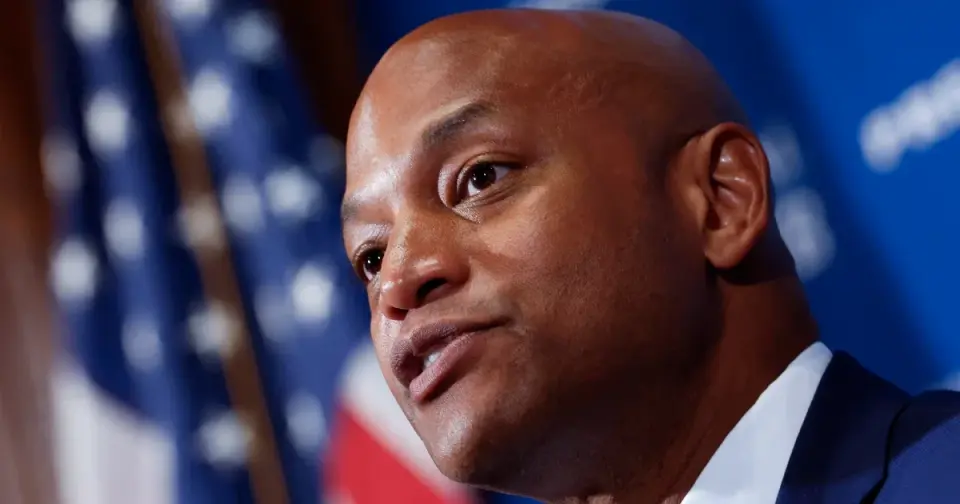
Maryland Governor Wes Moore has won re-election in a decisive victory over Republican Dan Cox, with the Associated Press calling the race shortly after polls closed on November 3. Moore, who became the state's first Black governor in 2022, faces a complex political landscape marked by a controversial redistricting ballot measure and speculation regarding a potential 2028 presidential bid. While Moore won the governorship, his push for Question 3, which would allow state lawmakers to draw congressional districts without strict compactness requirements, faced significant opposition in polling. The victory solidifies Moore's status as a national Democratic figure, though his administration has faced scrutiny over budget issues, the Francis Scott Key Bridge rebuild, and his military service record.
Key points
- Wes Moore defeated Dan Cox in a rematch of the 2022 gubernatorial race, with the AP calling the result one minute after polls closed at 8 p.m. on November 3.
- Moore’s victory was expected, as a late September UMBC poll showed him leading Cox by 27 points among likely voters.
- Maryland voters also decided on Question 3, a constitutional amendment that would exempt U.S. House districts from compactness and connectivity requirements, a move opposed by 53% of likely voters in polling.
- Moore’s re-election strengthens his profile as a potential 2028 presidential candidate, though he previously stated he was not running for president and committed to serving a full term in Maryland.
- The race was influenced by national issues, including Moore’s clashes with President Trump over tariffs and deportation policies, as well as local concerns regarding the Francis Scott Key Bridge reconstruction.
Background
Moore’s re-election follows a term marked by significant controversy, including a $6.6 billion Anduril submarine deal that sparked a dispute with President Trump and questions about federal defense contracts. In the lead-up to the election, Moore redirected approximately $750,000 in campaign funds to support Question 3, framing it as a defense against Republican gerrymandering efforts in other states. Despite this push, polling indicated that a majority of voters, including many Democrats, opposed the measure, viewing it as a partisan maneuver rather than a necessary counter to federal overreach. Moore’s tenure has also been scrutinized for its handling of the Francis Scott Key Bridge collapse and subsequent rebuild delays, as well as allegations regarding his military service record and upbringing in his memoir.
How outlets are covering it
NBC News emphasized Moore’s national profile and his clashes with President Trump, noting his travels to battleground states like Michigan and Nevada, which fueled speculation about a 2028 presidential run. WTOP News focused on the technical details of Question 3, highlighting that 53% of likely voters opposed the redistricting amendment, with 42% of Democrats also opposing it. WJLA noted the political implications of Moore’s victory, suggesting that a strong showing could boost his national profile, while also mentioning that Lieutenant Governor Aruna Miller would automatically become governor if Moore resigned to seek higher office. All sources agreed on the outcome of the gubernatorial race but differed in their emphasis on the redistricting measure, with WTOP and WJLA providing more detail on the opposition to Question 3, while NBC News focused on Moore’s national ambitions and his clashes with Trump.
Why it matters
Moore’s re-election solidifies his position as a leading Democratic figure and a potential 2028 presidential candidate, while the outcome of Question 3 will shape Maryland’s congressional map for 2028 and influence the balance of power in the U.S. House. The redistricting measure, if passed, could eliminate the state’s only Republican-held congressional seat, a move that has been controversial and opposed by a majority of voters. Moore’s victory also highlights the growing influence of state governors in national politics, as well as the increasing importance of redistricting in shaping electoral outcomes. The race also underscored the impact of national issues, such as the Francis Scott Key Bridge rebuild and Trump’s policies, on local elections.
What to watch
The outcome of Question 3 will be crucial in determining whether Maryland’s congressional map will be redrawn for 2028, potentially eliminating the state’s only Republican-held seat. Moore’s next steps will likely involve navigating the political fallout from the redistricting measure and preparing for a potential 2028 presidential run, though he has previously stated he is not running for president. The state will also need to address the ongoing issues related to the Francis Scott Key Bridge rebuild and the state budget crisis. Additionally, the results of the other statewide races, including the attorney general and comptroller, will shape the state’s political landscape in the coming years.
- Democratic Gov. Wes Moore wins re-election in deep-blue Maryland NBC News
- Maryland 2026: Live Midterm Election Results The New York Times
- Democratic Gov. Wes Moore wins reelection in Maryland The Washington Post
- Gov. Moore reelected in Maryland midterms with congressional redistricting amendment on ballot WTOP News
- Wes Moore re-elected as Maryland's Governor WJLA
Want the full story? Read the original reporting
Read on NBC News