
White House eases Canadian tariffs to aid Maine GOP candidate ahead of midterms
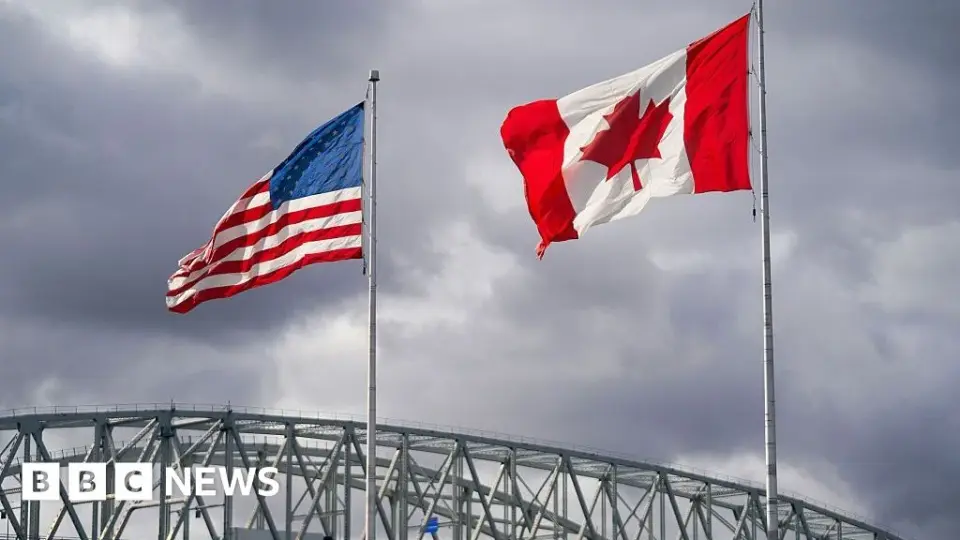
The White House announced that 50% tariffs on specific Canadian goods, including plywood and machinery, will be lifted starting October 30. This move, affecting $20 billion in trade, was prompted by lobbying from Republican Senator Susan Collins to support her reelection bid in Maine. While Canada expressed willingness to negotiate, Prime Minister Mark Carney emphasized that Ottawa is prepared to wait for a fair deal, noting that the US initiated the trade conflict.
Key points
- Tariffs on plywood, paper products, and refrigeration equipment will be removed on October 30.
- New tariffs will be imposed on carpets and waste products to offset the exemptions.
- Senator Susan Collins credited her lobbying efforts for securing relief for Maine’s agricultural sector.
- Canada’s trade minister stated the country remains ready for constructive negotiations.
- The decision occurs two weeks before the US midterm elections.
Background
The US imposed 50% tariffs on $20 billion of Canadian goods in August after trade talks collapsed. Canada retaliated with matching tariffs, a move Prime Minister Mark Carney described as necessary to protect workers. Previous coverage noted that this trade war has intensified economic pressure on border states like Maine and Michigan, forcing Republican candidates to manage voter dissatisfaction over rising costs.
How outlets are covering it
The BBC and Baltimore Sun agree that the tariff adjustments are directly linked to Senator Susan Collins’ reelection campaign in Maine. However, they differ in emphasis regarding the political fallout. The BBC highlights the Democratic challenger’s criticism, labeling the move as an attempt to gain credit for resolving chaos Collins enabled. The Baltimore Sun focuses more on the economic mechanics, noting that while some items are exempted, new duties on products like cocoa powder and vinyl flooring are being introduced. Both sources acknowledge that Canada is open to a deal but is not rushing to sign, with Carney stating Ottawa could wait for a future administration if necessary.
Why it matters
This policy shift illustrates how trade disputes are increasingly intertwined with domestic electoral politics. By adjusting tariffs to benefit a specific state’s agricultural industry, the administration aims to mitigate voter dissatisfaction in key border regions. The move signals that the US-Canada trade war may continue to influence the outcome of the November midterms, potentially impacting the balance of power in Congress for the remainder of Trump’s term.
What to watch
The tariff changes take effect on October 30. Senator Collins plans to continue lobbying for broader trade agreements, while Canada’s delegation will hold further meetings with the Canada-United States Economic Relations Advisory Committee. The outcome of the November 3 midterms will determine whether the current administration can maintain its trade stance or faces new congressional scrutiny.
- US lifts tariffs on some Canadian goods before midterm elections BBC
- Trump to Remove Some Tariffs on Canada in Bid to Help Susan Collins WSJ
- Trump, seeking to help Maine Sen. Susan Collins, exempts some Canadian imports from his 50% tariffs Baltimore Sun
- Coffins and Canoes From Canada Get 50% Tariff Under New Trump Order Bloomberg
- Trump ends tariffs on some Canadian products, aiming to help Senator Collins Reuters
Want the full story? Read the original reporting
Read on BBC