
White House Prepares Decree Strategy for Potential Democratic Midterm Victory
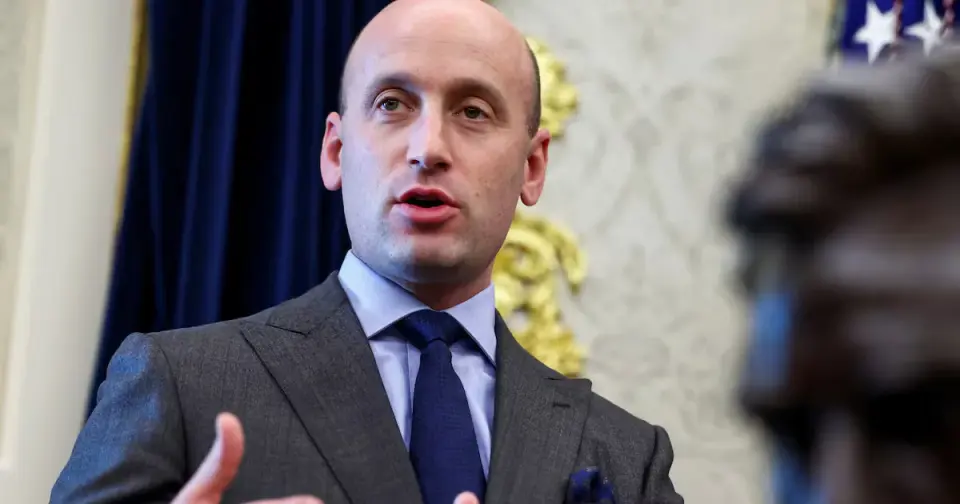
Senior White House officials, led by Stephen Miller, are drafting a contingency plan to allow President Donald Trump to govern by executive decree if Democrats win control of Congress in the November midterms. The strategy involves testing the limits of presidential authority and using existing funding mechanisms to bypass legislative approval. This preparation follows polling data showing a significant Democratic lead on generic ballots, driven by public anger over the Iran conflict and rising fuel costs.
Key points
- Stephen Miller and senior officials have spent months designing methods for the president to pass laws without congressional consent, anticipating a potential Democratic majority in the House and Senate.
- White House counsel Will Scharf is evaluating the legal boundaries of unilateral presidential action and how to defend such decisions in court, while federal agencies have submitted proposals for unilateral measures.
- Russell Vought, director of the Office of Management and Budget, is reviewing how to fund administration priorities using previously approved congressional money and is seeking changes to grant rules to increase White House control over spending.
- Specific policy areas under consideration for unilateral action include new tariffs on critical minerals and wind turbines, stricter visa restrictions for students and workers, and measures to reduce housing and construction costs.
- Polls indicate Democrats have a roughly 10-point lead on the generic congressional ballot, with a likely House victory, while the Senate race remains uncertain; Republicans need to lose only four seats in each chamber to shift control.
Background
This planning follows a period of declining support for the administration, including a recent federal appeals court ruling that deemed the administration's deportation policy illegal, which the White House plans to appeal to the Supreme Court. The current political climate is also influenced by the ongoing Iran conflict, which has spiked fuel prices and lowered the president's approval rating to the low 30s.
Why it matters
The shift toward executive decree planning signals a potential escalation in the conflict between the executive and legislative branches, potentially leading to significant legal challenges and a redefinition of presidential powers in the absence of congressional cooperation.
What to watch
The outcome of the November midterms will determine whether these contingency plans are activated. If Democrats gain control, the administration may implement the proposed unilateral measures, leading to immediate legal battles in the courts over the scope of executive authority.
Want the full story? Read the original reporting
Read on The Daily Beast